





Introduction
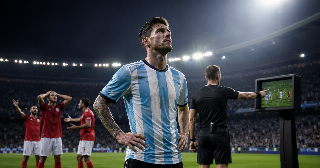
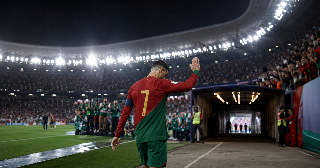
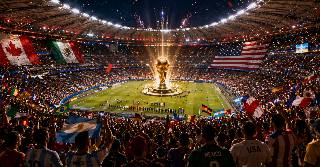
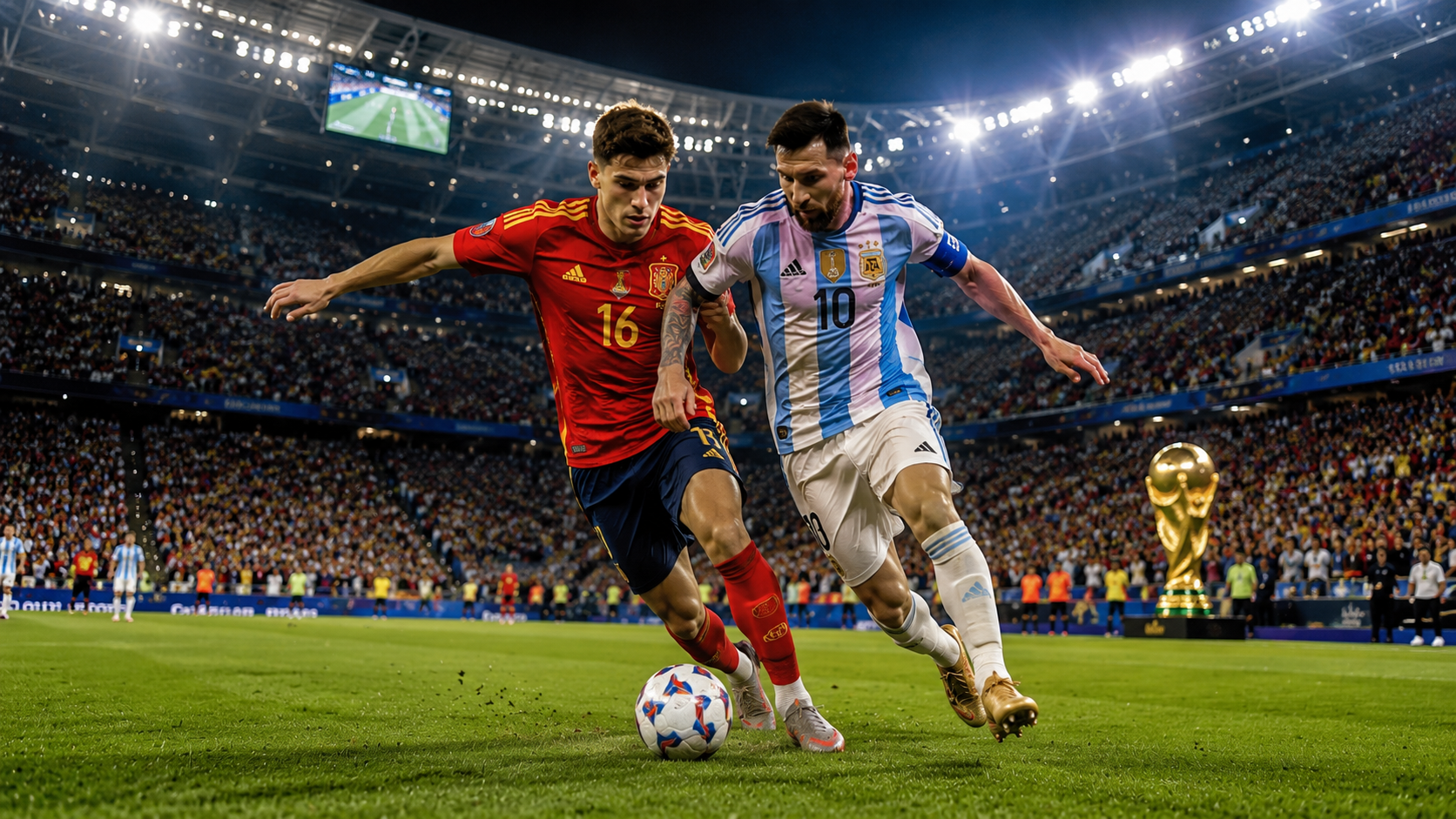
The FIFA World Cup 2026 has reached its most dramatic and exciting moment as Spain and Argentina face each other in the final of the biggest football tournament in the world. Hosted across the United States, Canada, and Mexico, this edition has already made history by featuring 48 national teams for the first time, producing unforgettable matches, surprise results, and incredible individual performances. Now, everything comes down to one final showdown between two footballing giants with contrasting philosophies. Spain has impressed throughout the tournament with its possession-based style, technical quality, and patient build-up play, while Argentina has relied on defensive organization, tactical discipline, experience, and clinical counter-attacks. Fans around the world have eagerly anticipated this clash because it represents not only a battle for the World Cup trophy but also a contest between two completely different football identities.
Spain’s Tactical Approach
Spain has remained loyal to the football philosophy that has defined the nation for more than a decade. Their strategy revolves around controlling possession, patiently building attacks from the back, and creating numerical superiority in midfield. Every player is comfortable on the ball, allowing Spain to maintain long passing sequences that frustrate opponents and dictate the rhythm of the match. Full-backs push high into attacking positions, midfielders constantly rotate to create passing options, and wingers stretch the defensive line to create space in central areas. Rather than relying on long balls or individual brilliance, Spain focuses on collective movement and quick one-touch passing to break defensive lines. Throughout the final, Spain has enjoyed the majority of possession, patiently circulating the ball while searching for openings around Argentina’s compact defense. Although their passing accuracy has been exceptional, converting possession into clear scoring opportunities has remained a difficult challenge against Argentina’s disciplined defensive structure.
Argentina’s Tactical Strategy
Argentina has approached the final with remarkable discipline and tactical maturity. Instead of competing with Spain for possession, the defending champions have focused on remaining compact, organized, and difficult to break down. Their defensive block stays narrow, preventing Spain from creating dangerous chances through the middle of the pitch. Once possession is recovered, Argentina immediately looks to transition into attack using quick passes and rapid movement. This counter-attacking approach allows them to exploit the spaces left behind by Spain’s advanced defensive line. The midfield works tirelessly to close passing lanes, intercept dangerous passes, and disrupt Spain’s rhythm before launching fast attacks. Argentina has demonstrated excellent communication and defensive awareness throughout the match, making every opportunity count whenever they move forward. Their tactical patience has frustrated Spain despite long periods without possession.
The Midfield Battle
The midfield has become the most important area of the match, with both teams attempting to establish control in different ways. Spain’s technically gifted midfielders dominate possession through intelligent positioning, constant movement, and quick combinations, allowing them to dictate the pace of the game. Argentina, on the other hand, focuses on physical intensity, pressing at the right moments, and preventing vertical passes that could unlock their defensive shape. Every interception, second ball, and successful tackle has become crucial in determining momentum. Winning midfield duels not only provides possession but also creates opportunities for dangerous attacking transitions. As the match progresses, fatigue begins to influence decision-making, making every challenge and every pass increasingly significant.
Tactical Adjustments During the Match
As expected in a World Cup final, both coaches have made important tactical adjustments to gain an advantage. Spain has introduced fresh attacking players to increase creativity between the lines while encouraging full-backs to join attacks more aggressively. Their substitutions have added pace and energy, helping maintain relentless pressure on Argentina’s defense. Meanwhile, Argentina has responded by reinforcing defensive positioning and introducing players capable of maintaining intensity while remaining dangerous on the counter-attack. Tactical flexibility has become one of the defining features of the match, with both managers reacting quickly to changes in momentum. Every substitution has been carefully planned to influence specific areas of the pitch, turning the final into a fascinating tactical chess match rather than an open attacking contest.
Defensive Discipline
One of the biggest reasons this final has remained closely contested is the exceptional defensive discipline shown by both teams. Spain presses immediately after losing possession, attempting to recover the ball within seconds and prevent Argentina from launching dangerous counters. Argentina, meanwhile, maintains excellent defensive organization, with players consistently supporting each other and closing spaces before Spain can create clear chances. Goalkeepers from both sides have remained alert whenever called into action, making important saves and organizing their defensive lines effectively. Every clearance, interception, and defensive block has played a vital role in keeping the match balanced.
Key Players to Watch
Several players have delivered outstanding performances during the final. Spain’s creative midfielders have controlled possession with confidence, constantly searching for opportunities to unlock Argentina’s defense through intelligent passing and movement. Their attacking players have worked tirelessly to stretch the opposition and create space in dangerous areas. Argentina’s defenders have displayed outstanding concentration and composure under sustained pressure, while their midfielders have balanced defensive responsibilities with quick attacking transitions. The forwards remain a constant threat whenever Argentina breaks forward, requiring Spain’s defenders to remain focused throughout the match.
What Could Decide the Final?
Several important factors could determine who lifts the FIFA World Cup trophy. Individual moments of brilliance often decide tightly contested finals, whether through an extraordinary goal, a decisive assist, or a spectacular save. Set pieces may also prove decisive, as corners and free kicks provide valuable opportunities when open-play chances are limited. Defensive concentration remains essential because a single mistake could completely change the outcome. Tactical substitutions, player fitness, and composure under pressure will also influence the result. Above all, the team that remains mentally strong during the decisive moments is likely to emerge as world champion.
Final Thoughts
The FIFA World Cup 2026 Final perfectly showcases why football is known as the world’s most popular sport. Spain has demonstrated the beauty of possession football through technical excellence, intelligent movement, and patient build-up play, while Argentina has highlighted the effectiveness of defensive organization, resilience, and rapid counter-attacking football. The contrast in styles has produced a fascinating tactical contest that has captivated millions of fans across the globe. Regardless of who ultimately lifts the famous FIFA World Cup trophy, this final will be remembered as a masterclass in modern football tactics, strategic planning, and competitive spirit. It proves once again that success at the highest level depends not only on talent but also on teamwork, discipline, adaptability, and the ability to perform under immense pressure on football’s biggest stage.