




Messi FIFA Princess Debate: Why Fans Are Calling Argentina’s Win Controversial
The phrase “Messi FIFA princess” started trending among football fans after Argentina’s dramatic 3-2 win over Egypt. The debate is not only about Lionel Messi’s performance, but also about whether Argentina received favorable decisions in a match that Egypt felt they should have won.
Argentina came from 2-0 down to beat Egypt in the World Cup Round of 16. Cristian Romero, Lionel Messi, and Enzo Fernandez scored late goals to complete the comeback. But after the match, many fans focused less on the comeback and more on the referee decisions that surrounded it.
Why Fans Are Saying “FIFA Princess”
The phrase “FIFA princess” is being used by critics who believe Messi and Argentina receive special treatment because Messi is football’s biggest global name. These fans argue that keeping Messi in the tournament benefits FIFA, broadcasters, sponsors, and global viewership.
The debate became louder because Egypt had a goal disallowed, complained about possible fouls before Argentina’s winner, and felt key decisions went against them. Egypt manager Hossam Hassan strongly criticised the officiating after the match and said his team had suffered an injustice, according to The Guardian.
The Main Decisions Behind the Debate
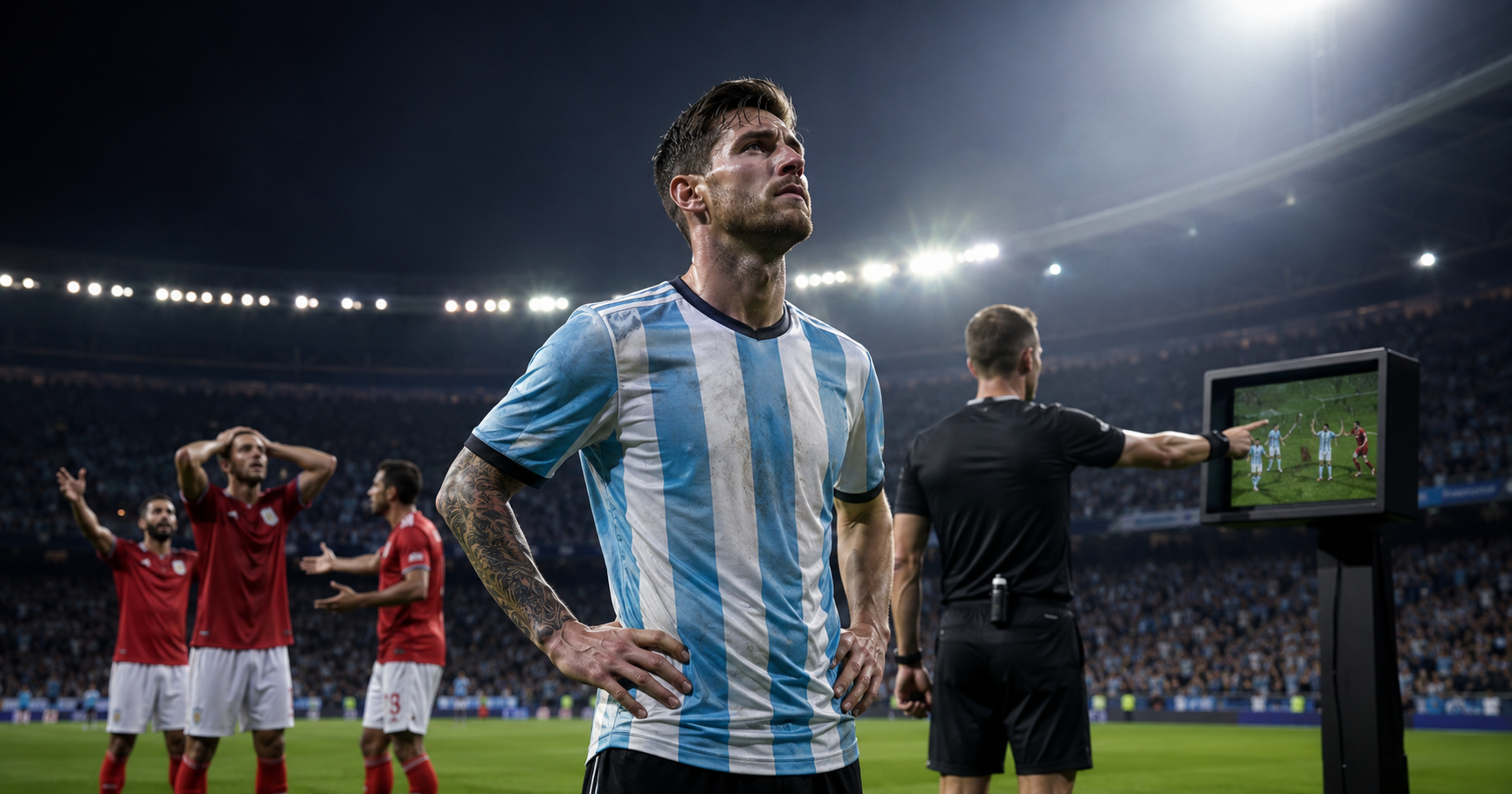
The first major talking point was Egypt’s disallowed goal. Mostafa Zico had the ball in the net, but VAR ruled it out because of a foul in the build-up. Egypt supporters believe the decision changed the direction of the match.
The second controversy came before Argentina’s winning goal. Egypt felt there was a foul or penalty claim before Argentina launched the attack that ended with Enzo Fernandez scoring the winner.
These two moments created the perfect environment for the “Messi FIFA princess” debate. For Argentina fans, the decisions were part of football. For Egypt fans and Messi critics, they looked like another example of big teams and superstar players getting the benefit of doubt.
What Egypt’s Camp Said
Hossam Hassan was extremely angry after the final whistle. He claimed Egypt were treated unfairly and suggested the tournament wanted Argentina and Messi to continue. Sky Sports reported that Hassan said the officiating was unfair and that the World Cup was “directed towards” Argentina.
His reaction gave the online debate even more fuel. When a national team manager openly questions fairness after such a dramatic defeat, fans naturally take sides quickly.
Is There Proof FIFA Helped Messi?
There is no confirmed proof that FIFA, the referee, or VAR deliberately helped Messi or Argentina. That is important.
The “FIFA princess” claim is mainly a fan accusation based on emotion, past rivalry, and interpretation of controversial moments. It is not a proven fact.
However, the frustration from Egypt is understandable. A disallowed goal, late foul claims, and a stoppage-time winner are enough to make any losing team feel robbed, especially in a knockout match.
Messi’s Role in the Match
Messi’s role cannot be ignored. He missed a penalty earlier in the match, but then helped Argentina fight back. He assisted Romero’s goal and scored the equaliser. According to Reuters, Messi’s World Cup goal tally reached 21 after the match.
This is why the debate is so heated. Messi’s supporters see leadership, mentality, and greatness. His critics see another match where controversy followed Argentina’s success.
Why This Debate Became So Big
The debate became big because it connects several emotional football topics at once: Messi, Argentina, VAR, referee consistency, World Cup pressure, and fan rivalry.
Messi is loved by millions, but he is also heavily criticised by rival fanbases. Any controversial Argentina win quickly becomes part of a larger Messi vs anti-Messi argument.
That is why the phrase “FIFA princess” spread so fast. It is not just about one referee decision. It is about how fans already feel about Messi’s status in world football.
Final Verdict
The “Messi FIFA princess” debate is powerful because the match had real controversial moments. Egypt had valid reasons to feel frustrated, and the referee decisions deserve discussion.
But calling it proven corruption goes too far based on the available evidence. Argentina still had to score three late goals, and Messi still had to respond after missing a penalty.
The fairest conclusion is this: the match was controversial, Egypt were hurt by key decisions, and Messi’s global status turned a normal referee debate into a worldwide football argument.