


Cristiano Ronaldo vs Lionel Messi: Contributions, Legacy, and the GOAT Debate
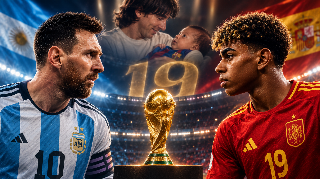
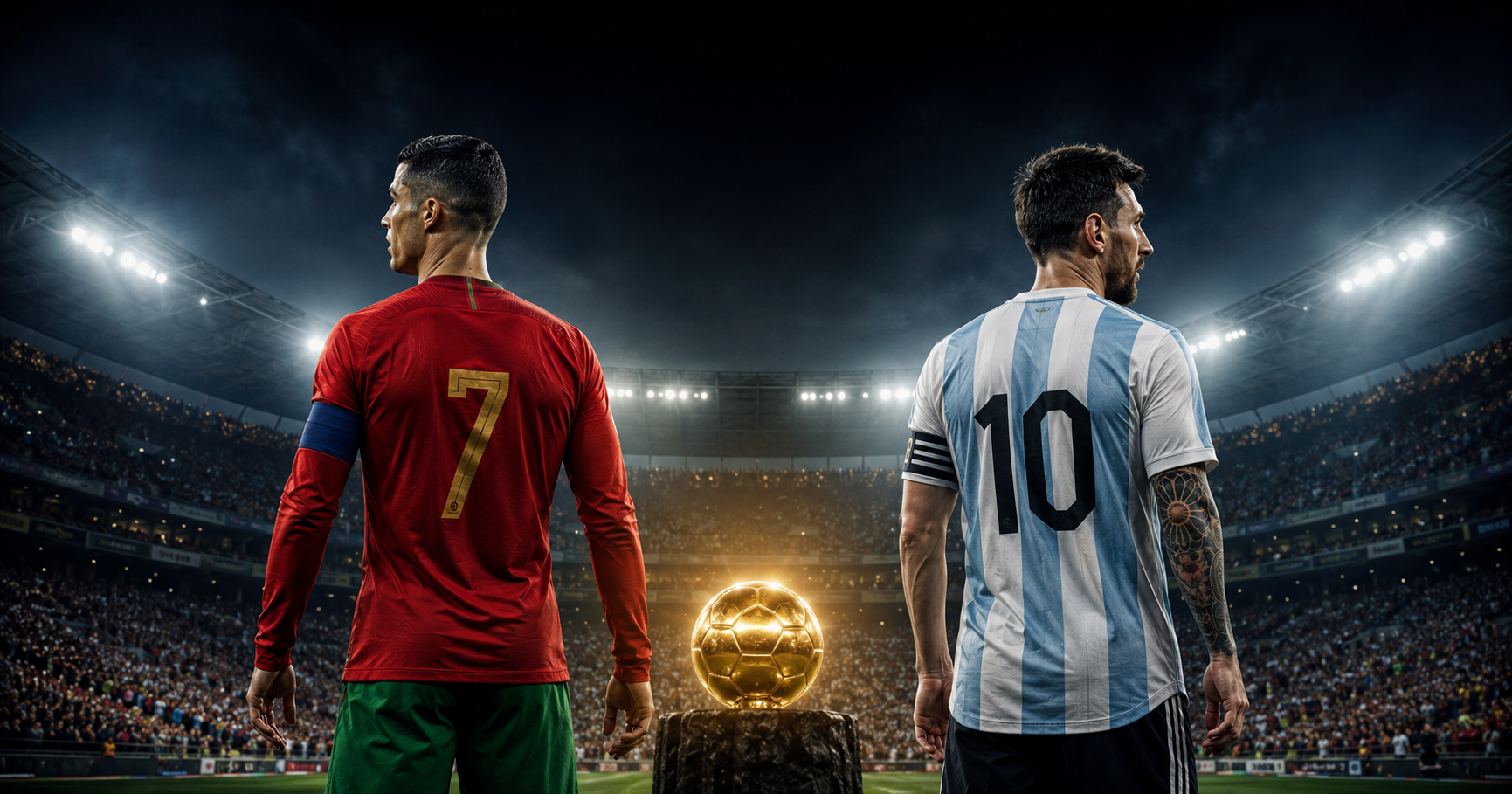
The Cristiano Ronaldo vs Lionel Messi debate is the biggest individual debate in modern football. For more than 15 years, both players pushed each other, dominated the biggest competitions, broke records, won trophies, and inspired millions of fans around the world.
This debate is not only about who scored more goals or who won more trophies. It is about two different versions of greatness. Ronaldo represents discipline, physical power, mentality, and elite goal-scoring. Messi represents natural genius, creativity, control, dribbling, and complete football intelligence.
Both changed the game. Both built legacies that may never be repeated.
Cristiano Ronaldo’s Contribution to Football
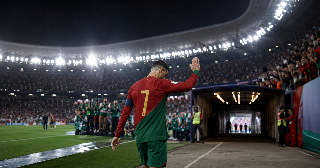
Cristiano Ronaldo’s contribution to football is built on work ethic, ambition, and record-breaking consistency. From Sporting CP to Manchester United, Real Madrid, Juventus, Al Nassr, and Portugal, Ronaldo proved himself in different leagues, systems, and football cultures.
His biggest strength has always been his ability to decide matches. He became the face of Champions League football and delivered again and again on the biggest nights.
UEFA lists Ronaldo as the Champions League’s all-time top scorer with 140 goals. UEFA also notes that he was the first player to win the Champions League five times and holds records for most UEFA Champions League knockout goals and most UEFA club competition goals UEFA.
For Portugal, Ronaldo’s contribution is unmatched. UEFA records him as the most-capped player in men’s international football and the top international scorer, with 146 goals for Portugal as of July 2026 UEFA.
Ronaldo gave Portugal belief. He helped Portugal win Euro 2016 and multiple Nations League titles. Before his era, Portugal had never won a senior international trophy. With him, they became a nation that expected to compete for major titles.
Lionel Messi’s Contribution to Football
Lionel Messi’s contribution to football is different but equally historic. Messi changed how people understand attacking football. He was not just a goal scorer. He was a creator, playmaker, dribbler, passer, and finisher in one player.
At Barcelona, Messi became the center of one of the greatest club teams in football history. His combination with Xavi, Iniesta, and later other attacking stars helped define an era of possession football, creativity, and technical dominance.
Messi’s biggest gift is control. He can slow the game, speed it up, beat defenders, create chances, and score from almost any situation. Where Ronaldo often dominated through power and movement, Messi dominated through touch, vision, and timing.
For Argentina, Messi’s legacy became complete after winning the 2022 FIFA World Cup and the Copa America. In 2026, he continued to add to his World Cup story, with Reuters reporting that he reached 21 World Cup goals after scoring in Argentina’s 3-2 comeback win over Egypt Reuters.
Messi gave football beauty. He made difficult things look simple and turned football into art.
Ronaldo’s Strongest GOAT Arguments
Ronaldo’s case for being the GOAT is extremely strong. He succeeded in England, Spain, Italy, Saudi Arabia, and international football. He adapted his game from a winger to a complete goal machine and then to a penalty-box finisher.
His Champions League record is one of the strongest arguments in football history. Knockout goals, final goals, clutch performances, hat-tricks under pressure, and consistency across years made him the king of Europe’s biggest club competition.
Ronaldo also has the strongest argument for longevity. Staying decisive for more than two decades is almost impossible. His fitness, mentality, and hunger changed the standards for modern athletes.
If your GOAT criteria are goals, mentality, Champions League dominance, physical evolution, and career longevity, Ronaldo has a powerful claim.
Messi’s Strongest GOAT Arguments
Messi’s strongest GOAT argument is completeness. He is not only one of the greatest scorers ever, but also one of the greatest creators ever. Very few players in history have combined goal-scoring and playmaking at his level.
Messi’s World Cup win also changed the debate. Before 2022, many critics said the missing World Cup weakened his claim. After leading Argentina to the trophy, that argument became much harder to use.
Messi also has the strongest argument for natural football genius. His dribbling, passing, vision, balance, and decision-making made him unique. He did not just finish attacks. He often created them from the beginning.
If your GOAT criteria are talent, all-round play, creativity, dribbling, international completion, and influence on the rhythm of a match, Messi has a strong edge.
Who Contributed More to Football?
Ronaldo contributed the model of professional obsession. He showed young players that greatness can be built through discipline, sacrifice, and relentless improvement. His career became a blueprint for athletic excellence.
Messi contributed the model of pure football artistry. He reminded the world that football is not only about speed and strength, but also imagination, timing, intelligence, and beauty.
Ronaldo inspired players to work harder. Messi inspired players to dream differently.
Football needed both.
Who Is the GOAT?
The honest answer is that the GOAT depends on what you value most.
If you value goals, Champions League nights, physical dominance, mentality, and longevity, Cristiano Ronaldo may be your GOAT.
If you value complete football ability, playmaking, dribbling, natural talent, and the World Cup crown, Lionel Messi may be your GOAT.
But if we have to give one final verdict, Messi has a slight overall edge because his game is more complete. He combines elite scoring with elite creation, and his World Cup success gave his legacy the final piece many fans were waiting for.
That does not make Ronaldo smaller. Ronaldo is still one of the two greatest players of this generation and one of the greatest athletes in sports history.
Final Verdict
Cristiano Ronaldo and Lionel Messi did not just compete with each other. They raised the level of football itself. Their rivalry gave fans unforgettable goals, impossible records, emotional nights, and a golden era that may never happen again.
Messi may edge the GOAT debate for overall football completeness, but Ronaldo’s legacy is untouchable in its own way.
The real answer is this: Messi and Ronaldo are not just footballers. They are the two pillars of modern football greatness.