



Introduction
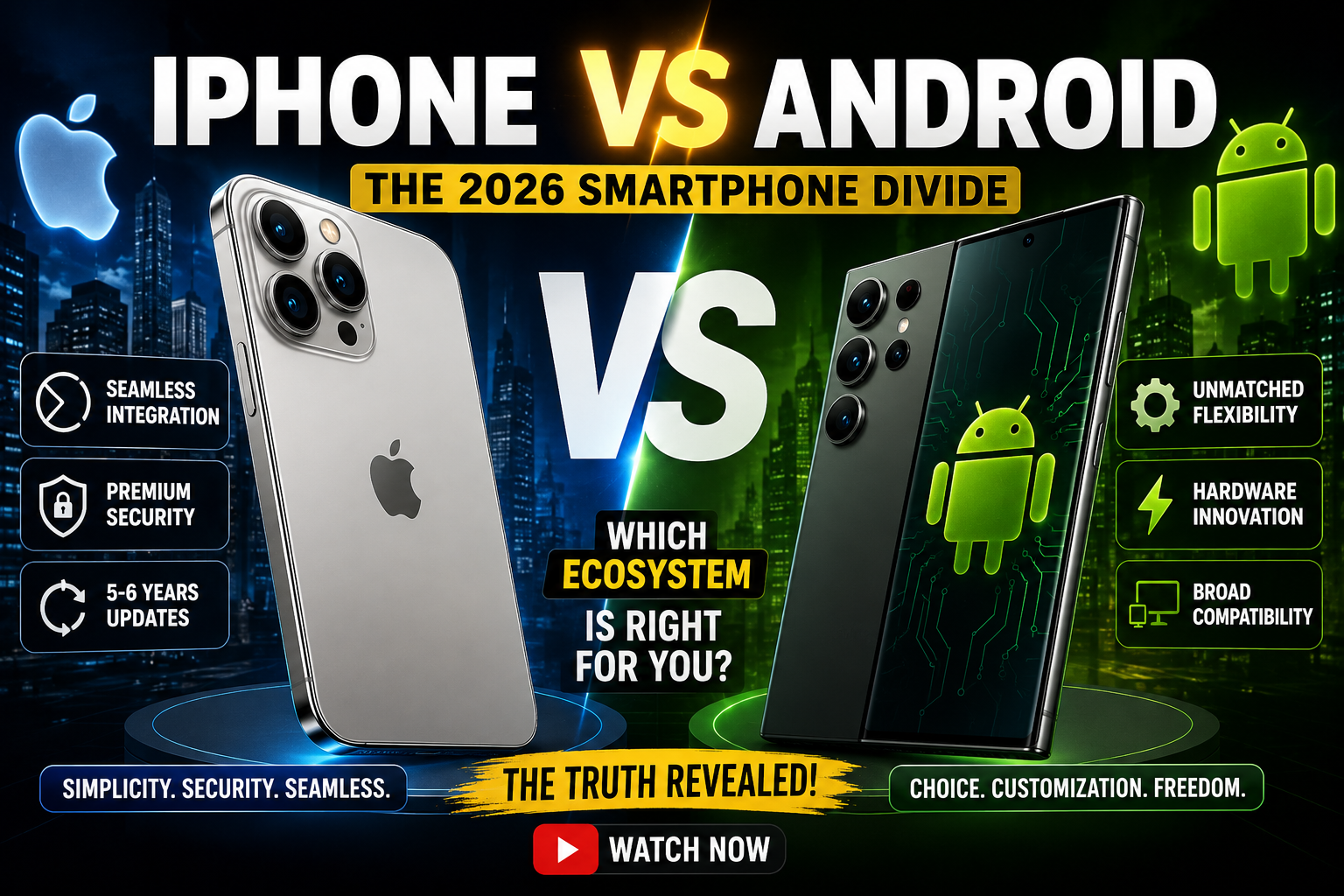
The debate between iPhone and Android has been ongoing for more than a decade, but in 2026 the conversation has evolved far beyond comparing cameras, processors, or battery life. Today’s smartphones are powerful enough that performance differences between flagship devices have become increasingly difficult for the average user to notice. Instead, the real decision centers on which ecosystem best complements your lifestyle, work habits, and long-term technology investments.
Modern smartphones are no longer standalone devices. They are the center of interconnected ecosystems that include smartwatches, tablets, laptops, wireless earbuds, cloud services, smart home devices, and artificial intelligence assistants. Choosing between iOS and Android now means choosing how all of these devices communicate and work together.
Globally, Android continues to dominate with approximately 72% market share, while Apple’s iOS maintains a strong 28% share. Both platforms have loyal user bases because each offers unique advantages. Apple focuses on simplicity, privacy, and seamless integration across its ecosystem, while Android emphasizes flexibility, customization, hardware variety, and broader compatibility with different manufacturers.
Artificial intelligence has become another major differentiator in 2026. Apple’s Apple Intelligence and Google’s Gemini AI have transformed smartphones into proactive assistants capable of understanding context, automating tasks, and improving productivity. Rather than asking which platform is objectively better, the more important question is which one better fits your personal or professional workflow.
This guide explores the strengths of both ecosystems, compares their key features, and helps you decide which smartphone platform is the right choice in 2026.
Understanding the Modern Smartphone Ecosystem
A smartphone is no longer just a device for making calls or browsing the internet. It now serves as the central hub for communication, productivity, entertainment, fitness tracking, photography, financial management, and smart home control.
Both Apple and Google have invested heavily in creating complete digital ecosystems where multiple devices work together seamlessly. The effectiveness of this ecosystem often matters more than individual hardware specifications.
When choosing between iPhone and Android, buyers should consider not only the phone itself but also how it interacts with other devices they own or plan to purchase in the future.
Why Many Users Choose iPhone
Apple continues to build its reputation around delivering a polished, secure, and highly integrated user experience. Rather than offering unlimited customization, Apple focuses on creating devices that work seamlessly together with minimal setup or technical knowledge.
For users who value simplicity, consistency, and long-term software support, the iPhone remains one of the strongest choices available.
Ecosystem Harmony
One of Apple’s greatest strengths is the deep integration between its devices.
Features such as Handoff, AirDrop, Universal Clipboard, Continuity Camera, and seamless synchronization through iCloud create an experience that feels effortless.
Users can begin writing an email on an iPhone, continue editing it on a MacBook, and finish it on an iPad without interruption. Photos, files, passwords, messages, notes, and browser tabs remain synchronized automatically across every Apple device.
For professionals, students, and creative users invested in the Apple ecosystem, this level of continuity significantly improves productivity.
Premium Privacy and Security
Apple has consistently positioned privacy as one of its biggest priorities.
Its strict App Store review process helps reduce malicious applications, while on-device AI processing minimizes the amount of personal data transmitted to cloud servers.
Additional security features include:
- Face ID authentication
- End-to-end encrypted messaging
- Secure Enclave hardware protection
- Privacy labels for applications
- App Tracking Transparency
- Password management through iCloud Keychain
These measures provide users with greater confidence that their personal information remains protected.
Long-Term Software Support
Software longevity remains one of Apple’s biggest competitive advantages.
Most iPhones receive major iOS updates for five to six years, with security updates often continuing even longer.
This extended support ensures that users continue receiving:
- New features
- Performance improvements
- Security patches
- Bug fixes
- Compatibility with modern applications
Long software support also contributes to stronger resale values compared with many competing smartphones.
Consistent Performance
Apple controls both the hardware and software powering its devices.
This vertical integration allows the company to optimize performance extremely efficiently.
Even after several years of use, iPhones generally continue operating smoothly due to Apple’s careful optimization of iOS and its custom silicon processors.
Users benefit from:
- Fast application launches
- Smooth multitasking
- Stable gaming performance
- Excellent battery optimization
- Reliable long-term responsiveness
Why Android Remains the World’s Most Popular Platform
Android continues to dominate the global smartphone market because it offers unparalleled flexibility and an enormous range of hardware options.
Instead of being limited to one manufacturer, Android is available across dozens of brands including Samsung, Google, OnePlus, Xiaomi, Honor, vivo, OPPO, Motorola, ASUS, and many others.
This diversity allows buyers to find smartphones suited to virtually every budget and requirement.
Unmatched Hardware Variety
One of Android’s greatest strengths is its enormous selection of devices.
Consumers can choose from:
- Budget smartphones
- Mid-range devices
- Premium flagships
- Foldable phones
- Gaming phones
- Rugged smartphones
- Camera-focused devices
Prices range from around $100 entry-level models to premium foldables costing more than $1,800.
This variety makes Android accessible to nearly every type of consumer.
Greater Customization
Customization has always been one of Android’s defining characteristics.
Users enjoy complete control over the appearance and behavior of their devices.
Popular customization features include:
- Custom launchers
- Home screen widgets
- Dynamic themes
- Custom icon packs
- Default app selection
- Split-screen multitasking
- File management
- App sideloading
This flexibility allows users to personalize their smartphones according to their own preferences rather than following a fixed design philosophy.
Hardware Innovation
Android manufacturers frequently introduce cutting-edge hardware before it reaches competing platforms.
Recent innovations include:
- Foldable smartphones
- Ultra-fast charging
- Under-display cameras
- High-refresh-rate displays
- Large battery capacities
- Periscope zoom cameras
- Advanced cooling systems
- Satellite communication
Because multiple manufacturers compete within the Android ecosystem, innovation often occurs at a much faster pace.
Better Compatibility Across Platforms
Android integrates naturally with a broad range of products and services beyond a single company’s ecosystem.
Users can easily connect with:
- Windows PCs
- Google Workspace
- Microsoft Office
- Chromebooks
- Third-party cloud storage
- Smart TVs
- Wear OS smartwatches
- Various Bluetooth accessories
For individuals who prefer not to be tied to one manufacturer’s hardware, Android offers greater flexibility.
Artificial Intelligence in 2026
Artificial intelligence has become one of the most important smartphone features.
Both ecosystems have invested heavily in intelligent software that enhances productivity and simplifies everyday tasks.
Apple focuses on Apple Intelligence, emphasizing privacy and on-device processing.
Google continues expanding Gemini AI, integrating advanced language models across Android devices.
Common AI capabilities now include:
- Writing assistance
- Live translation
- Photo editing
- Document summarization
- Voice transcription
- Smart search
- Calendar management
- Context-aware reminders
Both platforms now provide highly capable AI experiences, making this category far more competitive than in previous years.
Camera Performance
Photography continues to be one of the biggest reasons consumers purchase flagship smartphones.
Apple emphasizes natural color science, reliable video recording, and consistent performance across every camera lens.
Android manufacturers often push hardware innovation further through:
- Larger sensors
- Higher megapixel counts
- Longer optical zoom
- Faster image processing
- Specialized portrait modes
For casual users, both ecosystems deliver outstanding image quality, while professional photographers may prefer different devices depending on shooting style.
Battery Life and Charging
Battery technology has improved significantly across both platforms.
Apple continues prioritizing efficiency through hardware and software optimization.
Many Android manufacturers lead in charging speed by offering:
- 80W to 150W wired charging
- High-speed wireless charging
- Reverse wireless charging
- Larger battery capacities
Users who value extremely fast charging often find Android devices more appealing.
App Availability
Both ecosystems offer mature application libraries containing millions of apps.
Apple generally emphasizes quality control through strict App Store policies.
Android provides greater flexibility by allowing users to install applications from multiple sources when needed.
Most major applications are available on both platforms, making app availability less important than it once was.
Which Platform Is Best for Different Users?
The ideal smartphone depends entirely on individual needs.
Choose an iPhone if you:
- Already own Apple devices.
- Value privacy and security.
- Prefer a simple user experience.
- Want long software support.
- Frequently create professional videos.
- Appreciate high resale value.
Choose an Android phone if you:
- Want more hardware choices.
- Prefer customization.
- Need a wider range of prices.
- Use Windows or Google services extensively.
- Enjoy experimenting with new technology.
- Want cutting-edge hardware innovations.
The Future of Smartphone Ecosystems
As artificial intelligence continues evolving, the distinction between operating systems will become less about hardware and more about intelligent experiences.
Future smartphones are expected to offer:
- More advanced AI assistants
- Better cross-device integration
- Improved battery optimization
- Smarter automation
- Enhanced augmented reality
- More secure on-device processing
Both Apple and Google are investing heavily in making smartphones increasingly proactive and personalized.
Conclusion
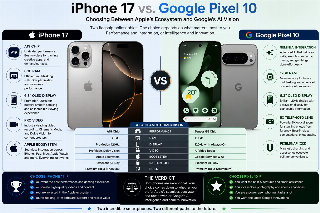
Choosing between iPhone and Android in 2026 is no longer about determining which smartphone is objectively superior. Both ecosystems have matured into highly capable platforms offering exceptional performance, advanced cameras, intelligent AI features, and premium user experiences. The decision now depends on how each platform fits your lifestyle, work environment, and long-term technology preferences.
The iPhone remains the ideal choice for users who value simplicity, privacy, long-term software support, and seamless integration across Apple devices. Its tightly connected ecosystem delivers a polished experience that is difficult to match for those already invested in Apple’s products.
Android, on the other hand, continues to lead in flexibility, hardware diversity, customization, and innovation. From affordable smartphones to premium foldables and gaming devices, Android offers unmatched choice while integrating naturally with a wide variety of services and hardware.
Ultimately, there is no universal winner. If you prioritize a cohesive ecosystem, consistent software, and premium security, iOS is an excellent investment. If you value freedom, customization, hardware innovation, and a broader selection of devices across every budget, Android remains the stronger option. In 2026, both platforms are more capable than ever, ensuring that whichever ecosystem you choose, you’ll have access to one of the most advanced mobile experiences available.