




The Renewable Energy Challenge
The global transition toward renewable energy has accelerated dramatically.
Wind and solar power are now central components of national energy strategies, helping countries reduce their dependence on fossil fuels and lower carbon emissions.
But renewable energy comes with a unique challenge.
The sun does not always shine, and the wind does not always blow.
This variability creates a fundamental problem for electricity systems.
Traditional power grids were largely designed around predictable, centralized generation. Power plants could adjust their output to match changes in demand.
Renewable energy introduces a different dynamic.
When solar and wind generation is high, electricity production can exceed immediate demand. When weather conditions change, generation can fall rapidly.
To achieve a truly reliable clean-energy system, the energy transition must therefore go beyond building more generation capacity.
It must also transform how electricity is stored, managed, and distributed.
The Rise of Long-Duration Energy Storage
For years, lithium-ion batteries have played an important role in modern energy storage.
They are particularly useful for short-duration applications, helping stabilize electricity systems and respond quickly to fluctuations in supply and demand.
But the renewable energy transition requires storage capable of operating for much longer periods.
During extended periods of low wind or limited sunlight, electricity systems may need to store energy for many hours—or potentially days.
This is driving investment in Long-Duration Energy Storage (LDES) technologies.
Emerging Battery Technologies
Researchers and energy companies are developing alternatives designed to provide longer storage durations and reduce dependence on conventional lithium-ion technology.
Potential solutions include:
Iron-air batteries, which use abundant materials and are being developed for multi-day energy storage.
Flow batteries, which separate energy storage capacity from power output and can potentially operate for extended durations.
Compressed air energy storage (CAES), which stores electricity by compressing air and later releases it to generate power.
These technologies could complement lithium-ion batteries by addressing different parts of the energy storage spectrum.
Rather than relying on a single technology, future electricity systems are likely to use a diverse portfolio of storage solutions.
The Continued Role of Pumped Hydropower
Despite the excitement surrounding new battery technologies, pumped hydropower remains one of the world's most established forms of large-scale energy storage.
The concept is relatively straightforward.
When electricity is abundant, water is pumped to a higher elevation. When electricity is needed, the water flows downward through turbines to generate power.
Modern closed-loop pumped hydro systems could play an important role in future electricity networks, particularly where suitable geography and water resources are available.
Because of their ability to store large quantities of energy for extended periods, pumped hydro facilities can provide valuable grid stability.
Thermal Energy Storage
Another emerging area is thermal energy storage.
Instead of storing electricity directly, these systems convert excess renewable electricity into heat.
Materials such as molten salts and specialized thermal storage media can retain heat for extended periods before releasing it for industrial applications or electricity generation.
Thermal storage could be particularly valuable for industries that require large amounts of high-temperature heat.
By combining renewable electricity with thermal storage, industrial facilities may be able to reduce their dependence on fossil-fuel-based heating systems while improving energy flexibility.
The Rise of Decentralized Energy Systems
Energy storage is only one part of the transformation.
The traditional electricity grid was largely built around a centralized model.
Large power plants generated electricity and transmitted it over long distances to consumers.
The future grid is increasingly moving toward decentralization.
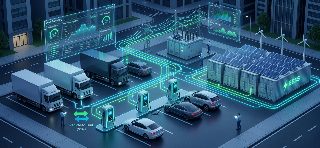
Instead of relying exclusively on large centralized facilities, communities, businesses, industrial campuses, and individual buildings can increasingly generate, store, and manage their own electricity.
This is where smart microgrids become increasingly important.
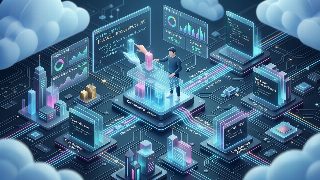
AI-Powered Microgrids
Microgrids are localized energy systems that can coordinate multiple resources, including:
Solar panels.
Wind generation.
Battery storage.
Backup generation.
Electric vehicles.
Smart buildings.
Energy management systems.
AI and advanced software can help these systems predict electricity demand, optimize energy consumption, and coordinate available generation and storage.
For example, a smart microgrid could store excess solar power during the day and use that energy during evening demand peaks.
It could also adjust consumption patterns based on electricity prices or grid conditions.
Building Resilience Against Extreme Weather
One of the most important benefits of decentralized energy systems is resilience.
Extreme weather events can damage transmission infrastructure and interrupt electricity supplies across large regions.
A microgrid can potentially disconnect from the broader electricity network and continue operating independently during an outage.
This capability, known as islanding, can help maintain critical services such as hospitals, emergency facilities, communications systems, and essential industrial operations.
As climate-related disruptions place greater pressure on infrastructure, resilient local energy systems could become an increasingly important component of national energy strategies.
The Smart Grid of the Future
The electricity grid of the future will likely be more decentralized, digital, and flexible than the systems of the past.
Advanced sensors, artificial intelligence, automated controls, and real-time energy management can help coordinate millions of distributed energy resources.
Instead of electricity flowing in only one direction—from power plant to consumer—the future grid may operate as a dynamic network in which electricity can move between homes, businesses, storage systems, and local generation facilities.
This transformation will require significant investment in transmission infrastructure, cybersecurity, grid modernization, and digital technologies.
Powering a Sustainable Future
The clean energy transition is no longer simply a question of generating more renewable electricity.
It is increasingly about building an energy system capable of managing that electricity reliably.
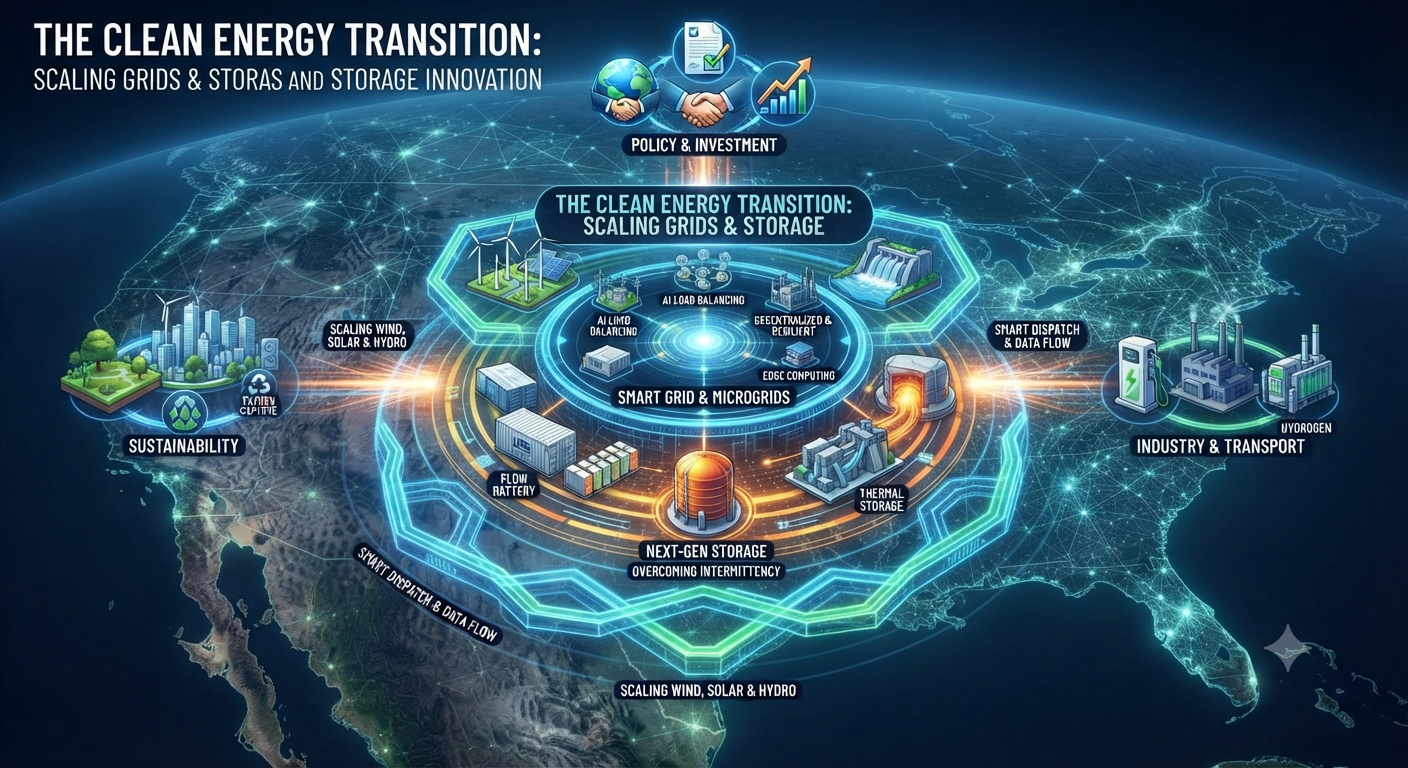
Advanced batteries, long-duration storage, pumped hydropower, thermal storage, smart grids, and decentralized microgrids will all play important roles in this transformation.
No single technology will solve the intermittency challenge.
Instead, the future energy system will depend on a combination of technologies working together.
Conclusion
The global energy transition is entering a new phase.
Wind and solar power are expanding rapidly, but the next major challenge is ensuring that clean electricity remains available when renewable generation falls.
Meeting that challenge will require innovation across the entire energy system—from long-duration storage and advanced batteries to AI-powered microgrids and intelligent distribution networks.
With sustained investment, supportive policies, and continued technological progress, the world can move toward an electricity system that is not only cleaner but also more flexible and resilient.
The future of clean energy will not be defined solely by how much renewable power we generate, but by how intelligently we store, manage, and distribute it.