





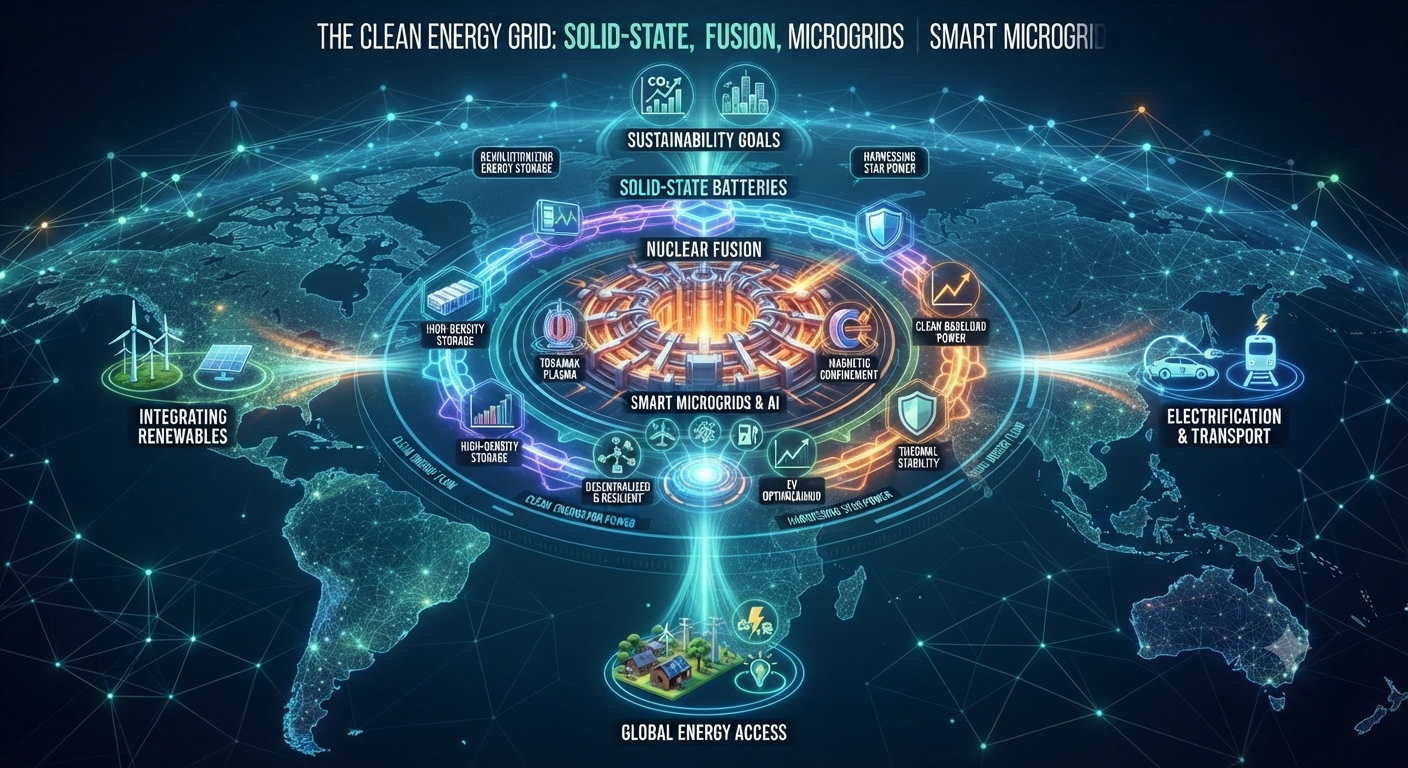
The Next-Generation Energy Grid: How Storage, Fusion, and Smart Microgrids Are Powering a Cleaner Future
The global transition toward a decarbonized economy depends on a fundamental transformation: modernizing the electrical grid.
As renewable energy sources such as solar and wind expand rapidly, they introduce a critical challenge—intermittency. The sun does not always shine, and the wind does not always blow. Building a reliable, zero-carbon energy system therefore requires more than simply increasing generation capacity. It demands major advances in energy storage, firm power generation, and intelligent grid management.
Driven by progress in battery chemistry, nuclear technology, artificial intelligence, and distributed computing, the architecture of the next-generation clean energy grid is beginning to take shape.
Solid-State Batteries and the Future of High-Density Storage
Energy storage is one of the most important components of renewable energy integration. Conventional lithium-ion batteries have transformed both electric vehicles and stationary energy storage, but they continue to face challenges involving energy density, charging performance, resource availability, and thermal management.
Solid-state battery technology is emerging as one potential solution. By replacing conventional liquid electrolytes with solid materials, researchers are working toward batteries that could deliver improved performance and safety.
Higher Energy Density
One of the most promising advantages of solid-state batteries is the potential for greater energy density. If commercialized at scale, this could allow more energy to be stored in smaller and lighter systems, benefiting both electric vehicles and grid-scale storage.
Improved Safety
Solid electrolytes may reduce some of the fire risks associated with conventional liquid electrolyte systems. This could make high-capacity battery installations more suitable for a wider range of applications, although large-scale deployment will still require sophisticated safety systems.
Faster Charging Potential
Researchers are also exploring solid-state architectures that could enable faster charging while maintaining battery longevity. Although commercial performance varies by technology and manufacturer, continued progress could significantly improve the flexibility of future energy storage systems.
The broader significance is clear: advanced batteries could allow renewable electricity generated during periods of high solar or wind production to be stored and dispatched when demand rises.
The Long-Term Horizon of Nuclear Fusion
While batteries can help manage short-term fluctuations, a fully decarbonized energy system may also require reliable sources of firm, low-carbon electricity.
This is where nuclear fusion enters the conversation.
Fusion—the process that powers the sun—has been a long-standing goal of energy researchers. Unlike conventional nuclear fission, fusion attempts to generate energy by combining light atomic nuclei under extreme conditions.
Recent advances in magnetic confinement, high-temperature superconducting magnets, laser-based approaches, and plasma science have renewed interest in the possibility of commercial fusion energy.
If engineers eventually overcome the enormous technical and economic challenges involved in sustaining fusion reactions and producing commercially viable electricity, the technology could provide a powerful source of low-carbon energy.
However, fusion remains an emerging technology rather than an established commercial power source. Significant challenges involving engineering, economics, materials, fuel cycles, and continuous operation still need to be solved before fusion can become a major contributor to the global electricity system.
Smart Microgrids and Decentralized Energy
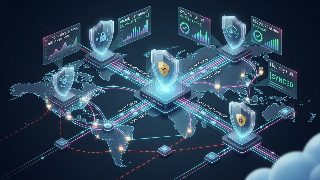
Managing a diverse mix of renewable generation, advanced batteries, and firm power sources will require a more intelligent electricity network.
Traditional grids were largely designed around centralized power plants that transmitted electricity outward to consumers. The next generation of energy infrastructure is expected to become more distributed and digitally connected.
Smart microgrids are an important part of this transformation.
Using sensors, automation, artificial intelligence, and real-time energy management systems, microgrids can coordinate local electricity generation, storage, and consumption.
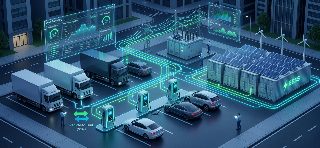
For example, a microgrid could combine rooftop solar panels, battery storage, electric vehicles, and backup generation. During normal conditions, it can operate alongside the broader grid. During an outage or extreme weather event, it can potentially disconnect and continue supplying critical local facilities.
This flexibility could become increasingly valuable as extreme weather, aging infrastructure, and rising electricity demand place additional pressure on power networks.
Artificial Intelligence as the Grid's Digital Brain
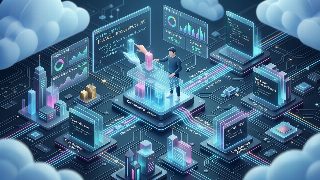
The physical transformation of the energy system is only part of the story. The next-generation grid will also require sophisticated software capable of managing millions of rapidly changing variables.
AI-powered systems can help forecast electricity demand, predict renewable generation, optimize battery charging and discharging, and identify potential equipment failures before they become major problems.
As distributed energy resources multiply, intelligent software could become essential for coordinating electricity flows across increasingly complex networks.
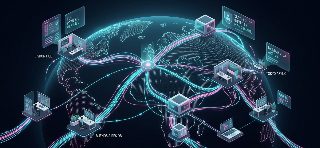
The result is a shift from a largely one-directional electricity system toward a dynamic ecosystem in which homes, businesses, batteries, vehicles, and power plants can all participate in energy management.
Powering a Sustainable Century
The clean energy transition represents one of the most significant engineering challenges of the modern era.
Advanced batteries can help solve the problem of intermittency. Nuclear technologies may provide reliable low-carbon power, while fusion could eventually offer another potential source of large-scale energy if commercial challenges are overcome. Meanwhile, smart microgrids and AI-driven software can help coordinate increasingly decentralized electricity networks.
No single technology will likely solve the global energy challenge on its own. Instead, the future grid will depend on the integration of multiple technologies working together.
By combining advanced storage, reliable low-carbon generation, and intelligent digital infrastructure, humanity is moving toward an energy system that is cleaner, more flexible, and more resilient.
The ultimate goal is not simply to generate more electricity. It is to build an energy ecosystem capable of meeting growing global demand while reducing emissions and strengthening energy security for generations to come.