





Electricity has become the foundation of modern society, powering everything from homes and hospitals to factories, transportation systems, and digital infrastructure. Yet much of the world's electrical grid was designed decades ago for an entirely different era. Built around centralized power stations and predictable patterns of electricity demand, these legacy systems are increasingly struggling to meet the needs of today's rapidly evolving economy.
The growing adoption of artificial intelligence, cloud computing, electric vehicles, renewable energy, and advanced manufacturing has dramatically increased electricity consumption. At the same time, climate change is contributing to more frequent heatwaves, wildfires, floods, hurricanes, and severe storms that place enormous stress on aging power infrastructure.
These combined pressures are exposing the limitations of traditional electrical grids. To ensure long-term energy security, economic growth, and national resilience, countries must modernize their power systems by transitioning toward intelligent, flexible, and highly connected smart grids capable of adapting to changing energy demands in real time.
Why Traditional Power Grids Are Under Pressure
Conventional electrical grids were built on a relatively simple operating model. Large fossil fuel, hydroelectric, or nuclear power plants generated electricity that flowed in a single direction through transmission and distribution networks before reaching homes and businesses.
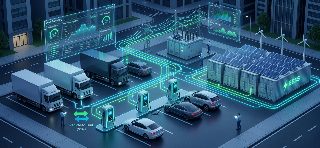
While this model served industrial economies effectively for many decades, it was never designed to support today's decentralized energy landscape. Modern power systems must now accommodate millions of rooftop solar panels, electric vehicle charging stations, battery storage systems, and renewable energy facilities while responding instantly to rapidly changing electricity demand.
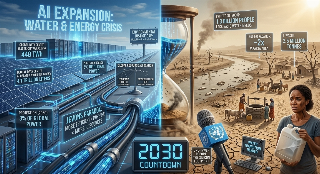
The growing dependence on digital technologies has further increased pressure on power infrastructure. AI data centers, cloud computing facilities, and high-performance computing clusters consume enormous amounts of electricity around the clock, while the global transition toward electric transportation continues to increase residential and commercial energy demand.
At the same time, extreme weather events are becoming more frequent and more intense. Heatwaves increase electricity consumption through air conditioning, storms damage transmission lines, droughts affect hydroelectric generation, and wildfires threaten critical infrastructure. These challenges make modernizing electrical networks not only an economic necessity but also a matter of national resilience and public safety.
The Core Technologies Behind Smart Grids
Building a modern energy system requires more than replacing aging equipment. It involves creating an intelligent network capable of monitoring, managing, and optimizing electricity flows automatically.
Decentralized Microgrids
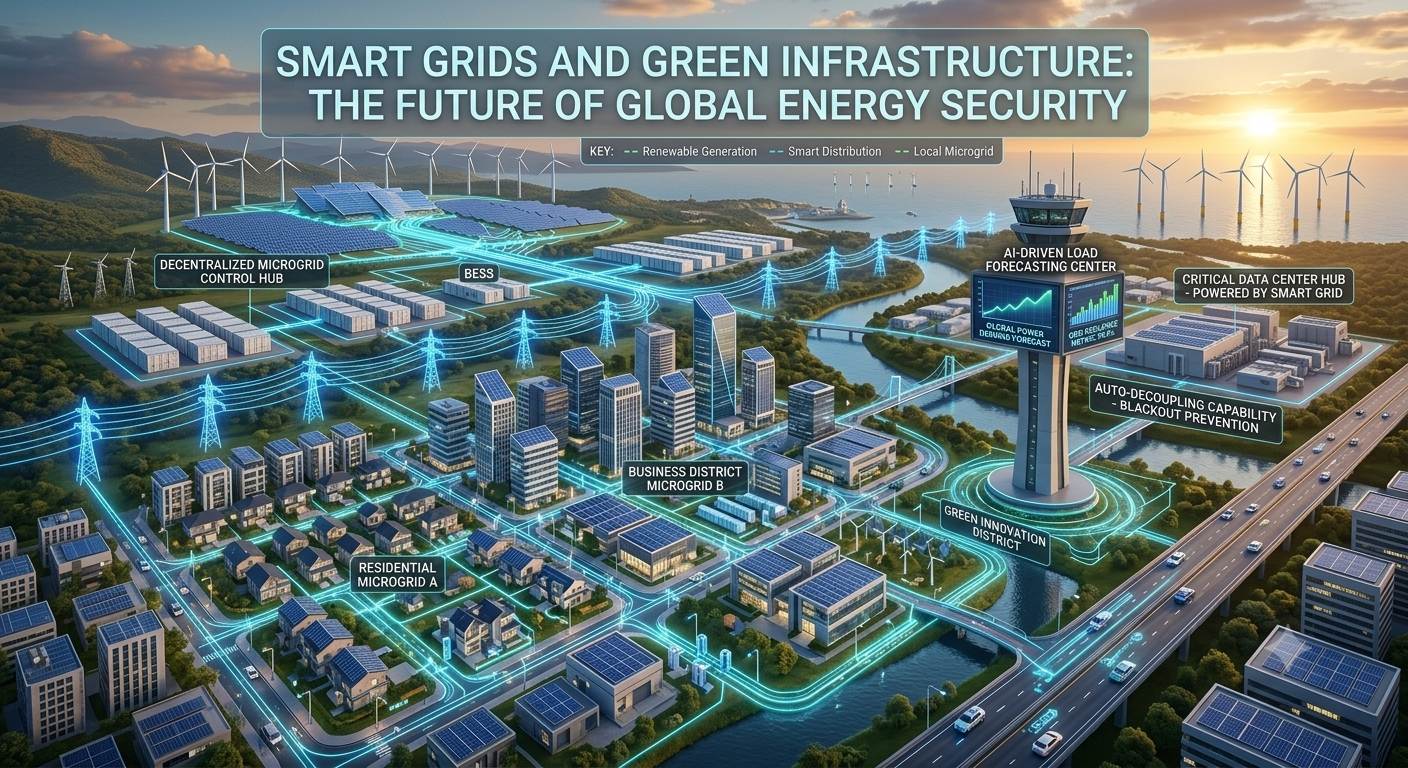
Instead of relying exclusively on large centralized power stations, modern energy systems increasingly incorporate decentralized microgrids. These localized electrical networks can generate, distribute, and store their own electricity using a combination of renewable energy sources, conventional generation, and battery storage.
Microgrids can serve hospitals, universities, military facilities, industrial parks, residential communities, and data centers. During major power outages or natural disasters, they can disconnect from the main electrical grid and continue operating independently, ensuring that essential services remain available when they are needed most.
AI-Driven Energy Management
Artificial intelligence is becoming an essential component of next-generation electricity networks. Smart grids use machine learning algorithms to analyze data from millions of smart meters, weather forecasts, energy markets, and transmission systems in real time.
These intelligent systems can accurately predict electricity demand, identify equipment failures before they occur, optimize power distribution, and automatically balance supply with consumption. By anticipating demand fluctuations and responding instantly to changing conditions, AI significantly improves grid stability while reducing energy waste and operational costs.
Utility-Scale Battery Energy Storage
Renewable energy sources such as solar and wind have become increasingly affordable and environmentally sustainable. However, their electricity production naturally varies according to weather conditions and time of day.
Large-scale Battery Energy Storage Systems (BESS) provide an effective solution by storing excess electricity generated during periods of high renewable production and releasing it when demand increases or renewable output decreases. These storage facilities improve grid reliability, reduce dependence on fossil fuel backup generation, and enable greater integration of clean energy into national electricity systems.
The Challenges of Modernization
Although the benefits of smart grids are substantial, upgrading national electricity infrastructure is an enormous undertaking that presents financial, technical, and geopolitical challenges.
Building modern transmission networks requires significant investment in new high-voltage power lines capable of transporting electricity from remote wind farms, solar installations, and renewable energy projects to densely populated cities and industrial regions. These infrastructure projects often require years of planning, regulatory approval, and construction.
In addition, many of the advanced technologies used in smart grids—including high-capacity batteries, industrial power electronics, advanced semiconductors, transformers, and intelligent control systems—depend on complex global supply chains. Concentrated manufacturing capabilities and competition for critical minerals such as lithium, cobalt, nickel, and rare earth elements create new strategic considerations for governments seeking long-term energy independence.
Cybersecurity has also emerged as a major priority. As electricity networks become increasingly digital and interconnected, protecting critical infrastructure from cyberattacks, ransomware, and system disruptions becomes just as important as maintaining physical equipment.
Building a Resilient Energy Future
The definition of energy security is evolving rapidly. In the past, national strength was often measured by access to oil, coal, or natural gas reserves. Today, resilience increasingly depends on the ability to generate, distribute, store, and manage electricity through intelligent, flexible, and secure infrastructure.
Countries investing in renewable energy, smart grid technologies, battery storage, and decentralized power systems are creating electricity networks that are not only cleaner but also more reliable and better equipped to withstand economic, environmental, and technological disruptions.
Looking Ahead
The transition from legacy electrical grids to intelligent energy networks represents one of the most significant infrastructure transformations of the 21st century. As electricity demand continues to rise and climate challenges become more severe, modernizing power systems is no longer optional—it is essential for sustainable economic development.
The nations and organizations that lead this transformation will be those that successfully combine renewable energy, artificial intelligence, advanced storage technologies, and resilient infrastructure into a unified energy ecosystem. These investments will strengthen energy security, accelerate the transition to cleaner power, reduce operational risks, and provide the reliable electricity needed to support future innovations in artificial intelligence, manufacturing, transportation, and digital technology.
Ultimately, the future of energy will not be defined solely by how much electricity we generate, but by how intelligently, efficiently, and securely we deliver it to the world.