





Cities on the Frontline of Climate Change
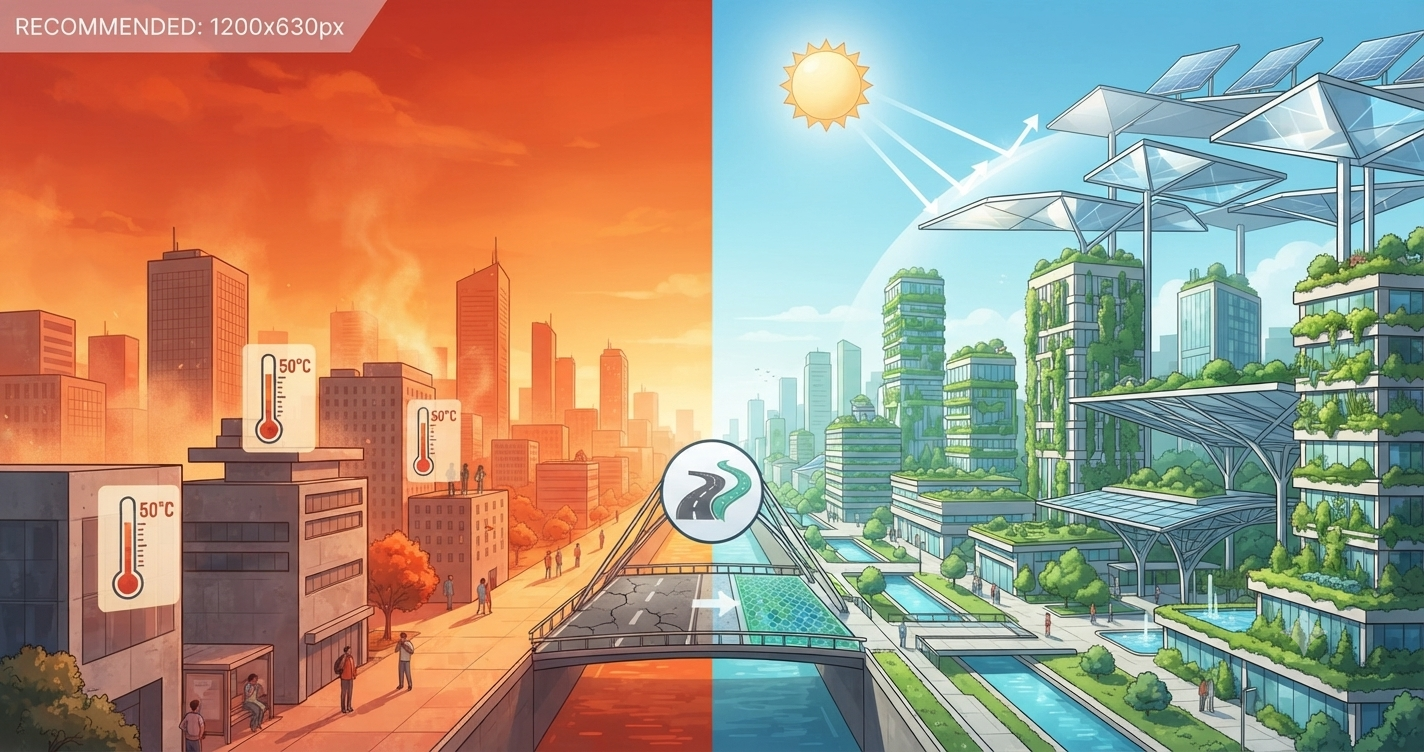
In 2026, extreme heat is no longer viewed as a seasonal challenge—it has become a permanent feature of urban life. With global temperatures reaching record highs, cities have emerged as the frontline of climate adaptation. Responsible for nearly 70% of global greenhouse gas emissions, urban areas face increasing pressure to reduce emissions while protecting residents from the growing risks of heatwaves.
The Urban Cooling Movement
Cities around the world—including Antalya, Lagos, and Melbourne—are working together through collaborative initiatives such as 50@50 to exchange proven strategies for managing extreme heat. Their shared goal is to make urban environments safer, healthier, and more resilient.
Climate-Resilient Infrastructure
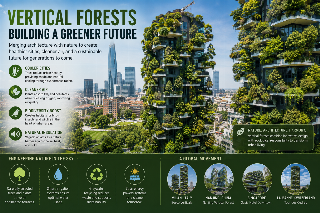
Governments and city planners are investing in sustainable cooling solutions, green buildings, shaded public spaces, reflective materials, and climate-smart urban design to reduce the urban heat island effect and improve livability.
Community Preparedness
Public awareness campaigns, heat action plans, and early warning systems are helping communities prepare for extreme weather events while protecting vulnerable populations such as older adults, children, and outdoor workers.
Decarbonizing Cooling
Cities are increasingly combining renewable energy with energy-efficient cooling technologies. By powering cooling systems with cleaner electricity, municipalities can reduce emissions while meeting growing demand for indoor comfort during hotter summers.
A New Climate Strategy
One of the defining themes of 2026 is the emergence of positive tipping points—the idea that clean technologies are no longer niche alternatives but practical, affordable, and economically competitive solutions.
As the costs of solar power, energy storage, and sustainable cooling technologies continue to decline, adoption is accelerating across urban centers. These advances are enabling cities to strengthen climate resilience while creating healthier environments and supporting long-term economic growth.
Although national climate policies remain essential, local governments are increasingly leading the way. Their actions demonstrate that city-level innovation and collaboration are becoming indispensable in the global effort to build a more sustainable and climate-resilient future.