





Introduction
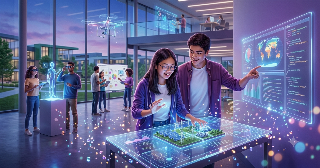
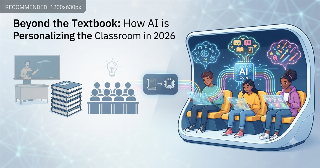
The classroom of 2026 looks dramatically different from just a few years ago. Powered by rapid advances in artificial intelligence, education is moving beyond the traditional one-size-fits-all model toward a learning experience tailored to each student’s individual strengths, pace, and learning style.
Rather than simply delivering information, AI is helping create more engaging, efficient, and student-centered classrooms.
The Rise of Hyper-Personalized Learning
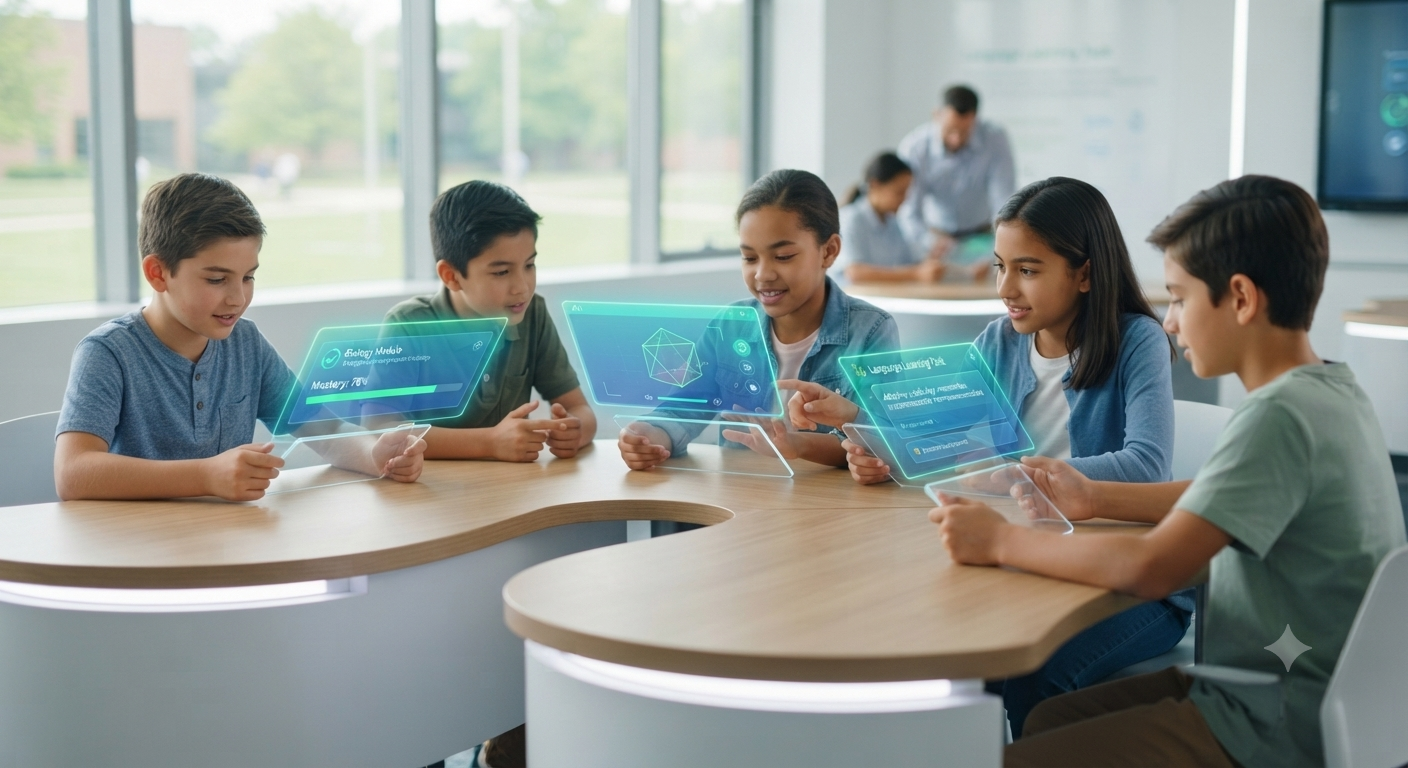
Modern AI-powered learning platforms continuously analyze how students interact with lessons, quizzes, and assignments. By identifying knowledge gaps and areas of mastery in real time, these systems adjust content difficulty and recommend targeted learning resources.
This adaptive approach helps students build confidence while progressing at a pace that matches their individual needs.
Increased Student Engagement
Schools implementing AI-powered personalization have reported significant improvements in classroom participation, with some studies indicating engagement increases of up to 60%.
Improved Learning Efficiency
Adaptive learning pathways can improve learning efficiency by as much as 57%, allowing students to master concepts more quickly while reducing unnecessary repetition.
Better Student Retention
AI-driven early warning systems help educators identify students who may be struggling academically. By enabling timely interventions, some institutions have reported reductions in student dropout rates of around 15%.
Empowering Teachers Through AI
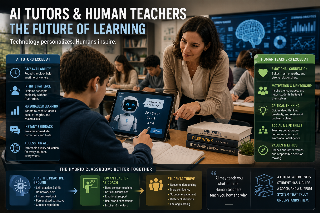
Artificial intelligence is designed to support—not replace—educators.
By automating time-consuming tasks such as lesson planning, grading, attendance tracking, and administrative reporting, AI allows teachers to devote more time to mentoring students, encouraging collaboration, and developing critical thinking and communication skills.
The result is a classroom where technology handles routine processes while teachers focus on meaningful human interaction and personalized guidance.
Addressing Ethical Challenges
Despite its enormous potential, AI in education also brings important responsibilities. Schools and policymakers must carefully address issues such as:
- Protecting student data and privacy.
- Reducing algorithmic bias.
- Promoting responsible AI use.
- Strengthening digital literacy among students and educators.
- Maintaining transparency and human oversight.
Experts agree that successful AI adoption depends not only on technological innovation but also on thoughtful educational practices that place learners at the center of every decision.
Conclusion
Education in the AI era is about empowering both students and teachers.
As artificial intelligence continues to evolve throughout 2026, the most successful educational institutions will be those that combine personalized technology with the irreplaceable value of human mentorship. By striking this balance, schools can create learning environments that are more engaging, inclusive, and better prepared for the future.