




Introduction
Travel in 2026 is becoming faster, smarter, and more seamless than ever before. One of the biggest innovations driving this transformation is Zero-Touch Travel—a technology-driven approach where artificial intelligence quietly manages the planning and logistics of a trip with minimal user involvement.
By integrating with calendars, travel preferences, loyalty programs, and real-time information, AI is transforming travel planning from a time-consuming task into an automated and highly personalized experience.
What Is Zero-Touch Travel?
Zero-touch travel goes beyond traditional booking platforms. Instead of manually comparing flights, hotels, and transportation options, AI-powered systems analyze your schedule, previous travel history, budget, and preferences to recommend—or even automatically arrange—the most suitable itinerary.
The ultimate goal is to make travel technology nearly invisible, allowing it to work efficiently in the background while travelers focus on their destination.
Why It Matters for Modern Travelers
Greater Efficiency
AI automates repetitive travel tasks, including itinerary planning, booking confirmations, schedule updates, and travel alerts. This reduces administrative effort and minimizes the stress associated with organizing a trip.
Personalized Experiences
Modern travel platforms are moving beyond generic vacation packages. By understanding individual preferences and travel behavior, AI delivers recommendations tailored to each traveler—from preferred airlines and hotels to local attractions and dining experiences.
Seamless End-to-End Travel
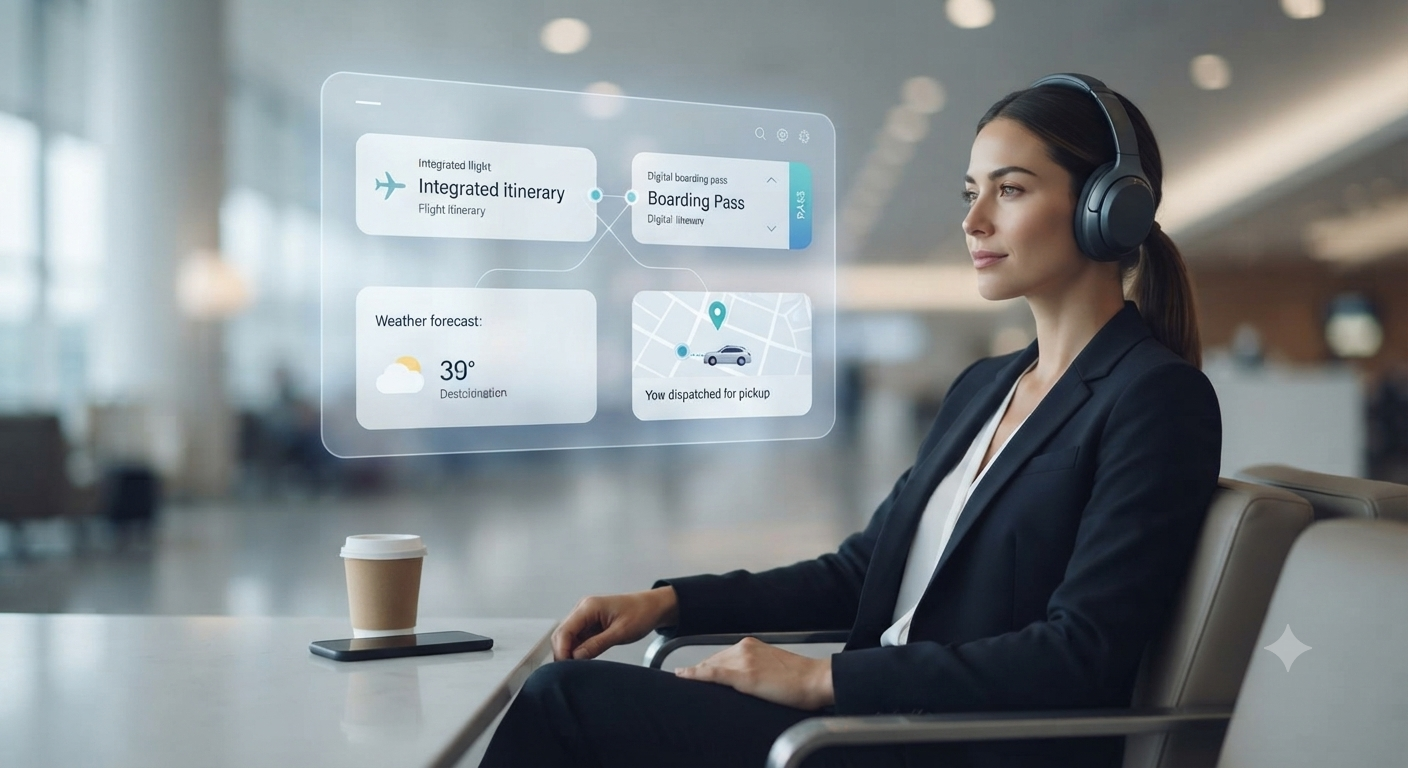
The travel experience is becoming increasingly connected. AI can coordinate with digital calendars, mobile apps, biometric airport systems, digital boarding passes, and smart travel assistants, creating a smoother journey from booking to arrival.
The Future of Travel
As automation handles the logistics, travelers can dedicate more time to what truly matters—discovering new destinations, experiencing local cultures, and creating meaningful memories.
AI also makes spontaneous travel easier by providing real-time recommendations for restaurants, attractions, events, and hidden gems based on changing conditions and personal interests.
Conclusion
The future of travel is no longer defined solely by where you go, but by how effortlessly you get there.
As zero-touch travel technology continues to evolve throughout 2026, planning and managing trips will become increasingly intelligent, personalized, and stress-free. Rather than replacing the joy of exploration, AI is removing the complexity behind it—giving travelers more freedom to experience the world with confidence and ease.