



Introduction
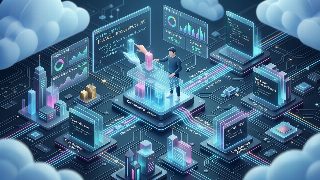
After years of rapid AI adoption and constant digital connectivity, many people are beginning to rethink how technology fits into their daily lives. In 2026, a growing movement toward tech minimalism is helping individuals reduce digital distractions and regain control over their time, attention, and mental well-being.
Rather than abandoning technology, people are learning to use it more intentionally—keeping its benefits while reducing unnecessary digital noise.
Understanding Digital Fatigue
Constant notifications, endless scrolling, and always-on communication have made digital fatigue a common experience. Many individuals report feeling overwhelmed by information overload, making it harder to concentrate, relax, and maintain a healthy work-life balance.
To counter this, people are adopting simple habits such as:
- Simplifying smartphone home screens.
- Turning off non-essential notifications.
- Scheduling regular digital detox periods.
- Limiting unnecessary screen time.
- Using technology with greater purpose and intention.
These practices help improve focus while reducing mental clutter.
The Rise of Analogue Maximalism
At the same time that people are reducing digital consumption, they are embracing analogue maximalism—a lifestyle that celebrates physical experiences and hands-on creativity.
Rather than simply disconnecting from technology, this movement encourages replacing screen time with meaningful offline activities.
The Return of Physical Media
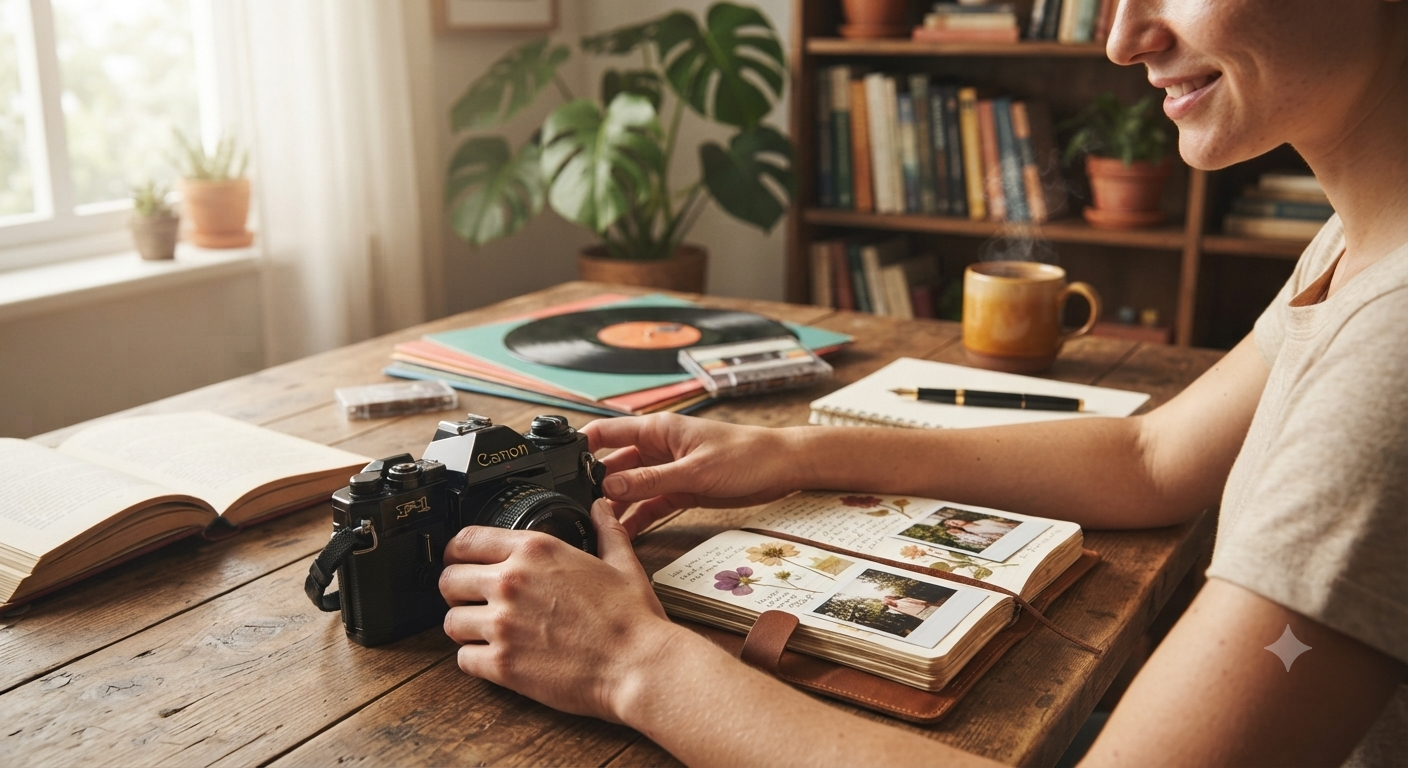
Vinyl records, printed books, film cameras, and other tangible forms of media are experiencing renewed popularity. Many people appreciate the slower, more immersive experience that physical media provides compared to digital alternatives.
Rediscovering Creative Hobbies
Traditional hobbies such as journaling, analogue photography, painting, knitting, gardening, and crafting are seeing a strong resurgence. These activities encourage creativity, mindfulness, and a sense of accomplishment by producing something tangible.
Finding the Right Balance
The goal in 2026 is not to reject technology—it is to redefine how we use it.
Technology remains an essential tool for communication, productivity, learning, and health. At the same time, creating intentional moments away from screens allows people to reconnect with nature, creativity, relationships, and themselves.
A balanced lifestyle combines the convenience of digital innovation with the richness of real-world experiences.
Conclusion
Digital wellness is becoming one of the defining lifestyle trends of 2026.
By embracing tech minimalism while rediscovering analogue experiences, people are creating healthier routines that support focus, creativity, and overall well-being. The future isn’t about choosing between digital and analogue—it’s about finding a balance that allows both to enhance everyday life.