





Introduction
The home office has evolved dramatically since the rise of remote and hybrid work. By 2026, the temporary “laptop on the couch” setup has largely disappeared, replaced by thoughtfully designed workspaces that promote focus, comfort, and well-being.
Today’s professionals understand that an effective workspace is about more than appearance. It is about creating an environment that supports both productivity and mental health while helping maintain a healthy separation between work and personal life.
Building a Wellness-First Workspace
A high-performing home office starts with a design that prioritizes physical comfort, mental clarity, and long-term well-being.
Prioritize Ergonomics
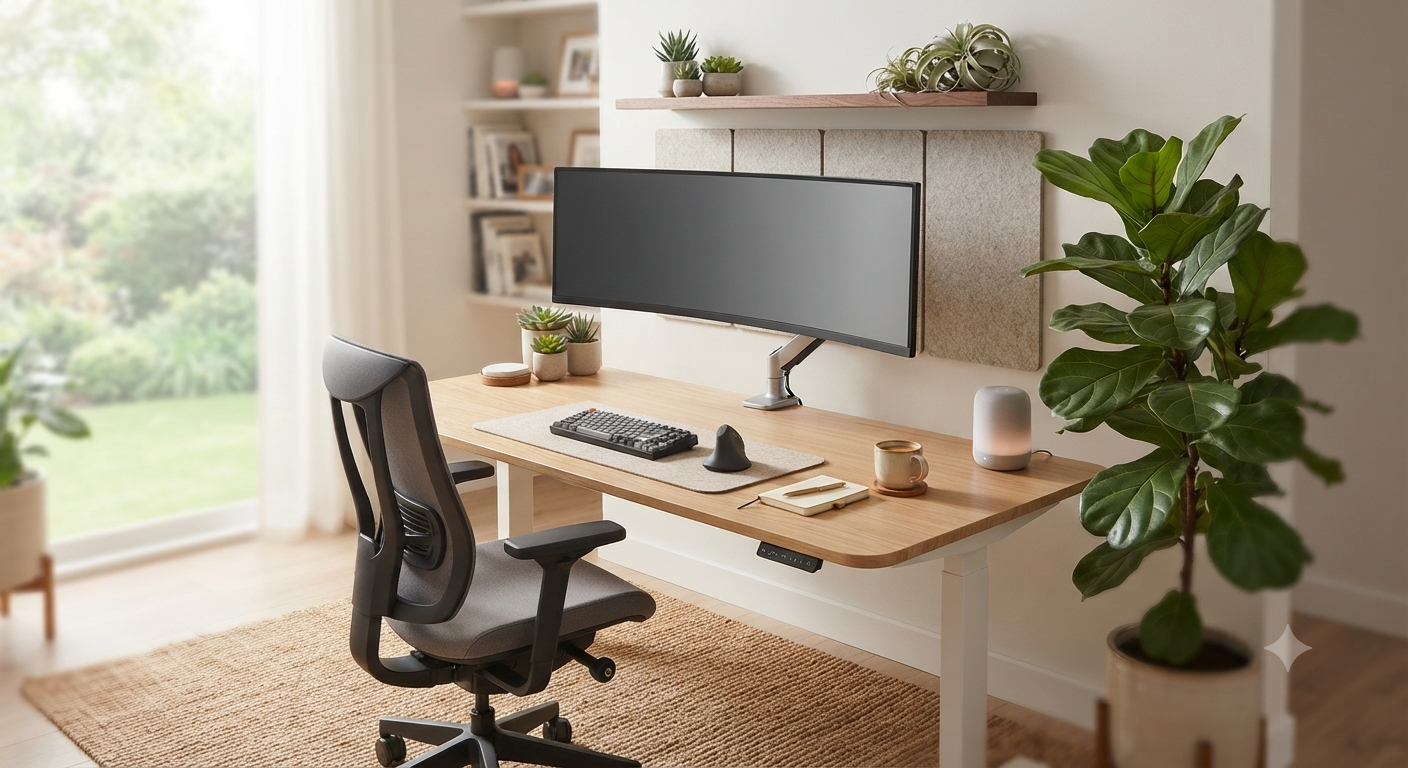
Ergonomic furniture is one of the most valuable investments for remote workers. Adjustable chairs, properly positioned monitors, supportive desks, and ergonomic accessories help reduce strain on the back, neck, wrists, and shoulders.
A comfortable workspace not only improves health but also supports sustained productivity throughout the workday.
Bring Nature Indoors
Biophilic design—the practice of incorporating natural elements into indoor spaces—continues to gain popularity.
Adding indoor plants, maximizing natural daylight, using wooden textures, and choosing calming natural colors can reduce stress, improve concentration, and create a more relaxing work environment.
Improve Acoustic Comfort
Noise is one of the biggest barriers to deep focus. Rugs, curtains, upholstered furniture, acoustic panels, and other sound-absorbing materials help create a quieter environment, making it easier to concentrate during meetings and focused work sessions.
Creating Healthy Work-Life Boundaries
One of the biggest challenges of remote work is knowing when to stop working.
Even if a dedicated office is not available, creating visual or physical boundaries can help establish a clear distinction between professional and personal time. Adjustable lighting, room dividers, folding screens, or simply organizing work equipment out of sight at the end of the day can signal that the workday has ended.
These small routines help reduce burnout while encouraging healthier daily habits.
Conclusion
The home office of 2026 is designed with wellness at its core.
By combining ergonomic design, natural elements, effective noise management, and intentional work-life boundaries, professionals can create spaces that support productivity without compromising their physical or mental well-being.
A thoughtfully designed workspace is no longer a luxury—it is an essential investment in long-term health, performance, and overall quality of life.