






Introduction
The fashion industry is experiencing one of the most significant transformations in its history. In 2026, sustainability is no longer viewed as a niche movement or a marketing trend—it has become the foundation of modern fashion. Governments are introducing stricter environmental regulations, consumers are demanding greater transparency, and brands are rethinking every stage of the fashion supply chain to reduce their environmental impact.
For decades, the industry relied heavily on the fast fashion model, where garments were produced quickly, sold cheaply, and discarded after only a few uses. While this approach made fashion more accessible, it also contributed to excessive waste, pollution, greenhouse gas emissions, and the overuse of natural resources. Today, both brands and consumers recognize that this model is unsustainable.
The fashion landscape of 2026 emphasizes quality over quantity, longevity over disposability, and responsibility over rapid production. Companies are investing in innovative materials, circular business models, and digital technologies that improve transparency while reducing waste. At the same time, shoppers are adopting more mindful purchasing habits, choosing timeless wardrobe essentials instead of constantly chasing short-lived trends.
This article explores the major sustainability trends shaping fashion in 2026, including the rise of circular fashion, eco-friendly materials, investment dressing, digital product passports, on-demand manufacturing, and the future of responsible clothing production.
The Evolution of Sustainable Fashion
Sustainable fashion has evolved far beyond using organic fabrics or recyclable packaging. In 2026, it encompasses the entire lifecycle of a garment—from sourcing raw materials and manufacturing to transportation, retail, consumer use, repair, resale, and recycling.
Fashion brands are now expected to consider the environmental and social consequences of every decision they make. Sustainability has become a business strategy rather than a marketing campaign.
Modern sustainable fashion focuses on:
- Reducing textile waste
- Lowering carbon emissions
- Conserving water
- Using renewable resources
- Improving labor conditions
- Promoting ethical production
- Extending garment lifespan
- Supporting circular economies
This comprehensive approach is helping reshape one of the world’s largest industries.
Understanding the Circular Fashion Economy
One of the defining concepts of sustainable fashion in 2026 is the circular economy.
Unlike the traditional “take, make, dispose” model, circular fashion aims to keep clothing and materials in use for as long as possible. Instead of garments ending up in landfills, they are repaired, resold, recycled, or repurposed into new products.
The goal is to minimize waste while maximizing the value of every material used during production.
Circular fashion encourages businesses to think beyond the initial sale and consider the complete lifecycle of every garment.
Designing for Longevity
Modern fashion designers are increasingly creating clothing that lasts for many years instead of only a single season.
Design for longevity involves choosing durable fabrics, stronger stitching, timeless silhouettes, and repair-friendly construction techniques.
Instead of following rapidly changing trends, brands are focusing on garments that remain stylish across multiple seasons.
Key features of long-lasting fashion include:
- High-quality craftsmanship
- Durable materials
- Classic designs
- Replaceable components
- Easy repairs
- Versatile styling
Long-lasting garments reduce consumer spending while significantly lowering environmental impact.
Repairability Is Becoming a Priority
In previous years, damaged clothing was often discarded immediately.
Today, many fashion companies design garments that can be repaired instead of replaced.
Repair services now include:
- Button replacement
- Zipper repairs
- Seam reinforcement
- Fabric patching
- Professional alterations
Some brands even offer lifetime repair programs to encourage customers to keep clothing in use for as long as possible.
Repair culture not only reduces waste but also strengthens customer loyalty.
The Growth of Resale Fashion
Second-hand fashion has become one of the fastest-growing sectors of the clothing industry.
Consumers are increasingly purchasing pre-owned clothing because it offers:
- Lower prices
- Reduced environmental impact
- Access to premium brands
- Unique fashion pieces
- Extended garment life
Luxury fashion, vintage clothing, and everyday apparel are all thriving in resale marketplaces.
Buying second-hand is no longer viewed as a compromise—it has become a mainstream lifestyle choice embraced by people of all ages.
Clothing Rental Services Continue to Expand
Fashion rental services are changing the way people approach special occasions and seasonal wardrobes.
Instead of purchasing expensive garments worn only once, consumers can rent high-quality clothing for weddings, parties, vacations, and business events.
Benefits include:
- Lower clothing waste
- Greater wardrobe variety
- Reduced storage needs
- Affordable access to luxury fashion
- Lower environmental impact
Rental platforms continue expanding into everyday workwear and casual fashion as consumer demand grows.
Take-Back Programs and Closed-Loop Fashion
Many major fashion retailers now operate take-back schemes that encourage customers to return unwanted garments.
Returned clothing may be:
- Cleaned and resold
- Donated
- Repaired
- Recycled into fibers
- Repurposed into new textiles
These closed-loop systems help keep valuable materials in circulation while reducing landfill waste.
Take-back programs also educate consumers about responsible clothing disposal.
Material Innovation Is Reshaping Fashion
Perhaps the most exciting development in sustainable fashion is the rapid advancement of textile innovation.
Scientists and manufacturers are creating environmentally friendly alternatives to conventional fabrics that require fewer natural resources while maintaining excellent durability and performance.
These innovations are helping reduce dependence on petroleum-based synthetic materials and resource-intensive animal products.
Bio-Based Materials
Bio-based textiles have become increasingly common in fashion collections during 2026.
Instead of relying solely on leather or synthetic plastics, manufacturers now produce materials from renewable biological sources.
Popular bio-based materials include:
Mycelium Leather
Made from mushroom roots, mycelium leather offers a durable alternative to traditional animal leather while using significantly fewer natural resources.
Algae-Based Fabrics
Algae-derived materials are biodegradable, renewable, and require relatively low environmental inputs during production.
Fruit Waste Leather
Agricultural waste from apples, pineapples, grapes, oranges, and other fruits is transformed into flexible leather-like materials suitable for fashion accessories and footwear.
These innovations reduce agricultural waste while creating sustainable alternatives for designers.
Recycled Fibers Become Industry Standards
Recycling existing materials has become a major strategy for reducing environmental impact.
Popular recycled textiles include:
- Recycled polyester made from PET bottles.
- Nylon regenerated from discarded fishing nets.
- Recycled cotton fibers.
- Recycled wool.
- Recycled denim.
Using recycled materials requires less energy, fewer raw resources, and often less water than producing virgin fibers.
Many global fashion brands now incorporate recycled textiles into everyday collections.
The Return of Natural Fibers
Natural fibers remain central to sustainable fashion because they are renewable and biodegradable when responsibly sourced.
Consumers increasingly seek clothing made from:
Organic Cotton
Certified organic cotton is grown without harmful synthetic pesticides while using improved farming practices that protect soil health.
Hemp
Hemp requires relatively little water, grows quickly, and produces exceptionally durable fibers suitable for clothing.
Linen
Derived from flax plants, linen remains one of the most environmentally friendly natural textiles available.
Its durability and breathability make it especially popular in warm climates.
One of the defining consumer trends of 2026 is investment dressing.
Instead of purchasing numerous inexpensive garments every season, shoppers are investing in fewer, higher-quality pieces designed to last for years.
Investment dressing focuses on:
- Timeless style.
- Superior craftsmanship.
- Durable fabrics.
- Versatility.
- Cost per wear.
- Long-term value.
Consumers increasingly recognize that buying one well-made garment can be more economical than repeatedly replacing cheaper alternatives.
Capsule Wardrobes
Capsule wardrobes continue gaining popularity among consumers seeking simplicity and sustainability.
A capsule wardrobe consists of a carefully selected collection of versatile clothing that can be mixed and matched to create numerous outfits.
Typical wardrobe essentials include:
- White shirts
- Neutral trousers
- Classic jeans
- Blazers
- Simple dresses
- Knitwear
- Comfortable shoes
Capsule wardrobes reduce unnecessary shopping while making daily outfit planning easier.
Transparency Is Reshaping Consumer Trust
Modern shoppers want to know exactly where their clothing comes from.
Consumers increasingly ask questions about:
- Fabric origins
- Factory conditions
- Environmental impact
- Worker welfare
- Carbon footprint
- Manufacturing processes
Brands that openly share this information build stronger customer trust and long-term loyalty.
Transparency has become a competitive advantage.
Digital Product Passports
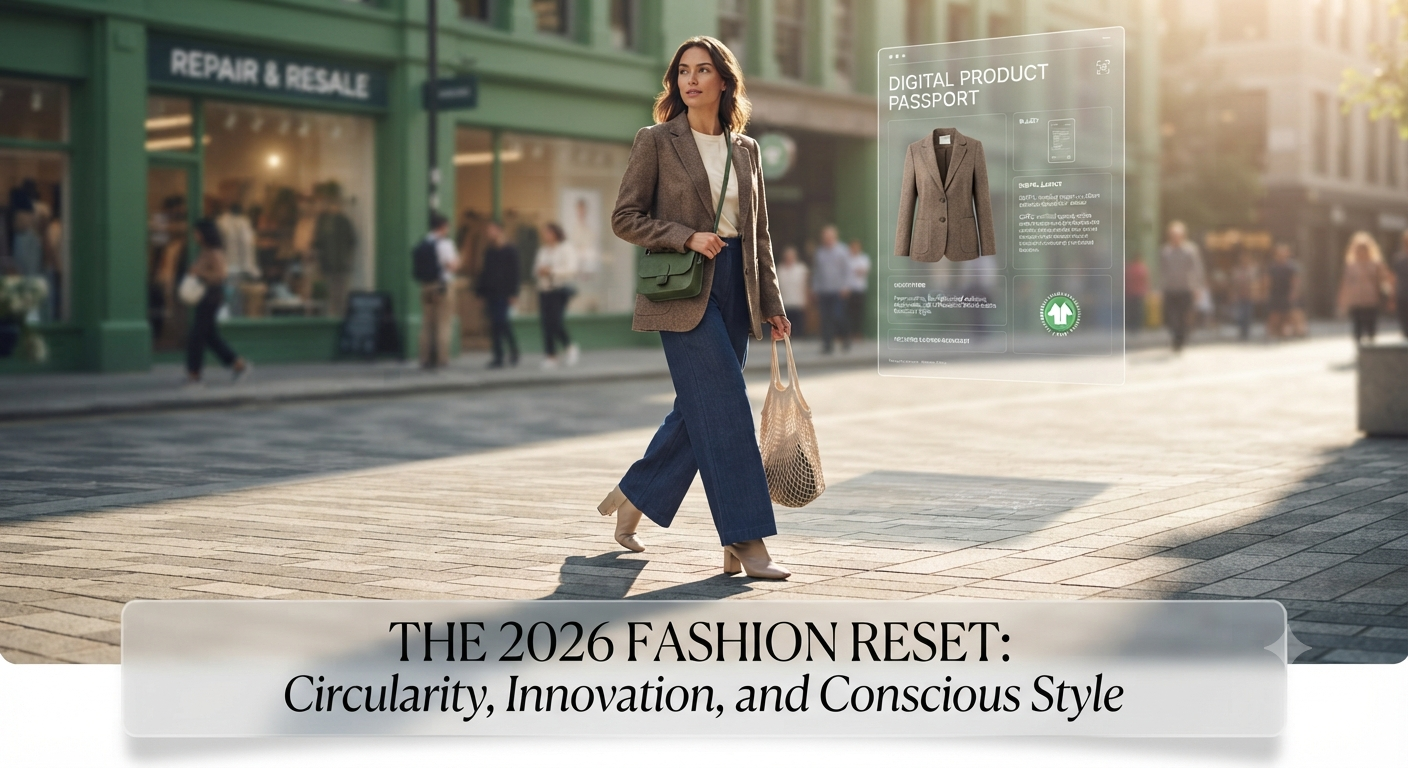
One of the most important technological developments in sustainable fashion is the Digital Product Passport (DPP).
Digital Product Passports allow consumers to scan a product and access detailed information including:
- Material composition
- Manufacturing location
- Supply chain journey
- Repair instructions
- Recycling guidance
- Environmental certifications
These digital records make it easier for consumers to verify sustainability claims while discouraging misleading marketing practices.
Combating Greenwashing
As sustainability becomes increasingly important, some companies have exaggerated environmental claims without meaningful action.
This practice, known as greenwashing, has led to greater consumer skepticism.
In 2026, stricter regulations and improved transparency require brands to support environmental claims with measurable evidence.
Consumers now look for:
- Independent certifications.
- Verified sustainability reports.
- Transparent sourcing.
- Traceable supply chains.
Authenticity has become essential for maintaining consumer confidence.
On-Demand Fashion Production
Traditional fashion manufacturing often results in overproduction, leaving unsold inventory that may eventually become waste.
On-demand production offers a more sustainable alternative.
Instead of manufacturing large quantities in advance, garments are produced only after customers place orders.
Benefits include:
- Reduced inventory waste.
- Lower storage costs.
- Less unsold merchandise.
- Improved resource efficiency.
- Greater product customization.
This manufacturing model helps align production with actual consumer demand.
Technology Driving Sustainability
Digital innovation is accelerating sustainable fashion through advanced manufacturing and supply chain management.
Important technologies include:
- Artificial intelligence for demand forecasting.
- Blockchain for supply chain transparency.
- 3D garment design.
- Automated quality inspection.
- Smart inventory systems.
- Digital fitting technologies.
These tools reduce waste while improving production efficiency.
Consumer Behavior Is Changing
Today’s consumers are making more thoughtful purchasing decisions.
Many shoppers now consider:
- Product quality.
- Ethical sourcing.
- Environmental impact.
- Brand transparency.
- Repairability.
- Longevity.
Rather than following every seasonal trend, people increasingly build wardrobes that reflect personal style and lasting value.
This shift encourages brands to prioritize meaningful design over rapid production.
Challenges Facing Sustainable Fashion
Despite remarkable progress, the industry still faces several challenges.
These include:
- Higher production costs.
- Limited recycling infrastructure.
- Consumer price sensitivity.
- Complex global supply chains.
- Scaling innovative materials.
- Standardizing sustainability measurements.
Collaboration among governments, manufacturers, retailers, and consumers will be essential to overcoming these obstacles.
The Future of Sustainable Fashion
The future of fashion is becoming increasingly circular, transparent, and technology-driven.
Emerging innovations are expected to include:
- Fully recyclable garments.
- Advanced biodegradable textiles.
- AI-powered personalized manufacturing.
- Carbon-neutral factories.
- Digital ownership tracking.
- Closed-loop recycling systems.
These developments aim to create an industry that balances creativity, profitability, and environmental responsibility.
Conclusion
Sustainable fashion in 2026 represents a fundamental transformation in how clothing is designed, produced, purchased, and reused. Circular business models, innovative bio-based materials, recycled fibers, repair services, resale platforms, and on-demand manufacturing are replacing outdated practices that contributed to excessive waste and environmental damage.
Consumers are embracing investment dressing, capsule wardrobes, and transparent brands that prioritize quality, durability, and ethical production. At the same time, Digital Product Passports and improved supply chain transparency empower shoppers to make informed purchasing decisions while holding companies accountable for their environmental commitments.
Although challenges remain, the fashion industry is steadily moving toward a future where sustainability is not an optional feature but the standard for responsible business. By combining innovation, thoughtful design, and conscious consumer behavior, fashion in 2026 demonstrates that style and sustainability can successfully coexist, creating a more resilient industry for future generations.