





Introduction
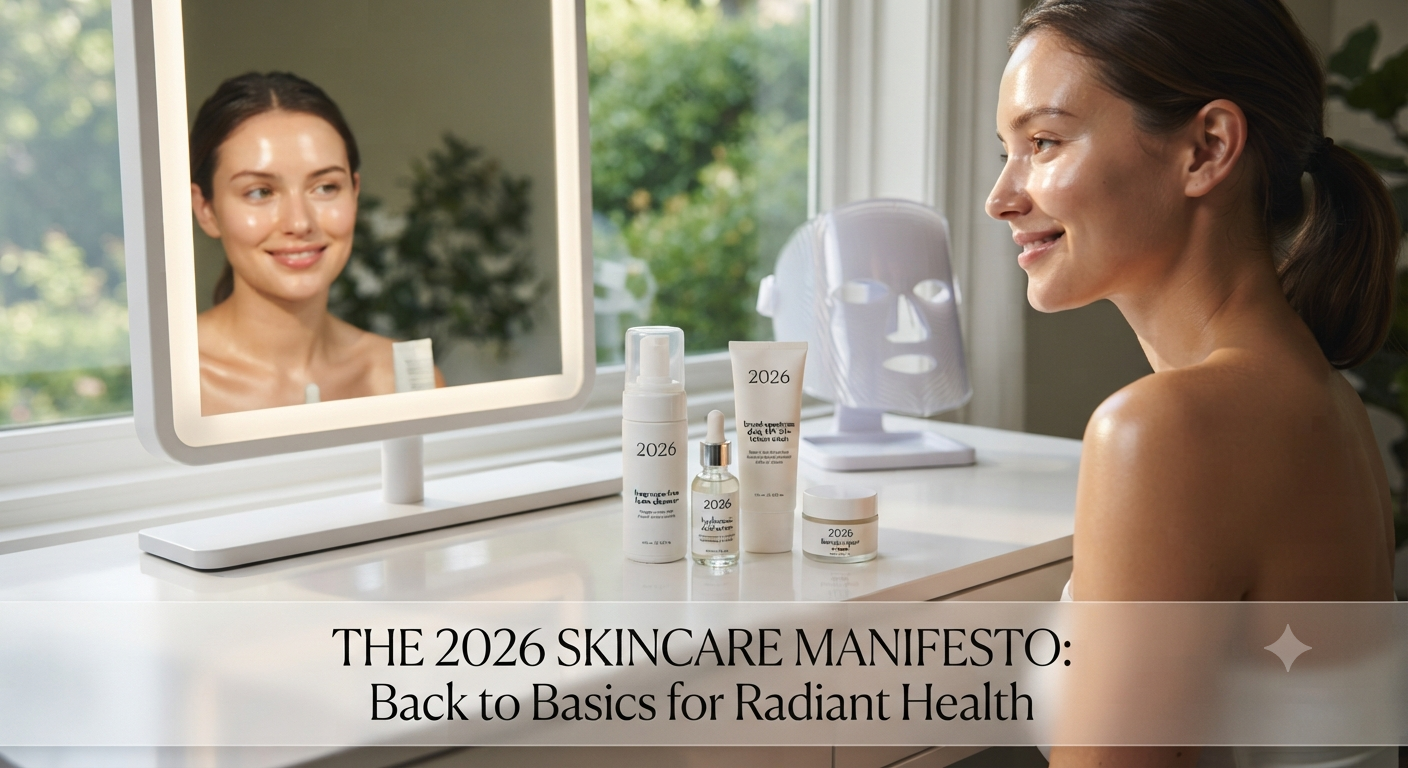
The skincare industry has undergone a remarkable transformation in 2026. For years, social media encouraged people to use countless serums, acids, and active ingredients in pursuit of flawless skin. While these routines often promised quick results, they also led to a growing number of people experiencing irritation, redness, dehydration, and damaged skin barriers. Today, skincare experts and dermatologists are promoting a healthier philosophy—one that focuses on strengthening the skin instead of overwhelming it.
The biggest skincare trend of 2026 is simplicity with purpose. Rather than layering multiple active ingredients, skincare routines now emphasize maintaining a healthy skin barrier, using fewer but more effective products, and choosing ingredients backed by scientific research. The goal is no longer to achieve perfection overnight but to develop resilient, naturally glowing skin over time.
Consumers have become more educated about ingredient lists and understand that healthy skin is built through consistency rather than complicated routines. Instead of chasing viral beauty hacks, people are investing in products that nourish, protect, and support the skin’s natural functions.
This guide explores the most important skincare trends of 2026, the importance of barrier repair, essential daily skincare steps, ingredients worth using, mistakes to avoid, and the future of technology-driven skincare.
Understanding the Skin Barrier
The skin barrier, also known as the moisture barrier, is the outermost layer of the skin. It acts as the body’s first line of defense against pollution, bacteria, allergens, UV rays, and moisture loss.
A healthy skin barrier performs several essential functions:
- Locks moisture inside the skin.
- Prevents dehydration.
- Protects against environmental damage.
- Reduces irritation and inflammation.
- Supports healthy skin cell renewal.
- Maintains smooth texture and elasticity.
When the skin barrier is damaged, people often experience symptoms such as:
- Dryness
- Tightness
- Redness
- Flaking
- Burning sensation
- Increased acne
- Sensitivity to skincare products
Modern dermatology now recognizes that many common skin concerns are actually caused or worsened by a weakened skin barrier rather than by a lack of active ingredients.
The Barrier-First Philosophy
The biggest skincare movement in 2026 is called the Barrier-First Approach.
Instead of trying to fix every skin concern with powerful treatments, this philosophy focuses on keeping the skin healthy so it can naturally repair itself.
A strong skin barrier makes active ingredients work better while reducing irritation and inflammation. Rather than using five or six different acids every night, experts now recommend choosing one carefully selected treatment supported by a gentle skincare routine.
Barrier-first skincare focuses on:
- Hydration
- Gentle cleansing
- Moisture retention
- Sun protection
- Minimal irritation
- Consistent routines
- Long-term skin health
This philosophy benefits every skin type, including oily, dry, combination, acne-prone, and sensitive skin.
Why Minimalist Skincare Is Becoming Popular
Minimalist skincare continues to dominate beauty routines because consumers have realized that more products do not always produce better results.
Instead of using ten or twelve skincare products daily, many people now use only four or five carefully selected products.
Benefits of a minimalist skincare routine include:
- Lower risk of irritation
- Easier consistency
- Reduced product waste
- Better ingredient compatibility
- Healthier skin barrier
- More affordable routines
Quality has become more important than quantity.
Essential Step 1: Gentle Cleansing
Cleansing remains the foundation of every skincare routine.
A good cleanser removes dirt, sweat, sunscreen, makeup, pollution, and excess oil without stripping the skin of its natural protective oils.
Dermatologists recommend using:
- Fragrance-free cleansers
- Sulfate-free formulas
- pH-balanced cleansers
- Cream cleansers for dry skin
- Gel cleansers for oily skin
Cleansing twice a day is generally sufficient.
Over-cleansing can weaken the skin barrier by removing natural oils that protect the skin.
Signs that your cleanser may be too harsh include:
- Tight skin after washing
- Redness
- Flaking
- Burning
- Excessive dryness
A gentle cleanser prepares the skin for the rest of the routine without causing unnecessary damage.
Essential Step 2: Hydration
Hydration has become one of the biggest priorities in skincare during 2026.
Hydrated skin looks smoother, brighter, healthier, and more youthful.
Unlike heavy moisturizing, hydration focuses on increasing water content within the skin.
Popular hydrating ingredients include:
- Hyaluronic Acid
- Glycerin
- Panthenol
- Beta Glucan
- Aloe Vera
- Polyglutamic Acid
These ingredients attract and retain moisture while helping improve skin elasticity.
Proper hydration also strengthens the skin barrier, reducing irritation and improving healing.
Essential Step 3: Targeted Treatments
Instead of using multiple strong active ingredients together, dermatologists recommend selecting one treatment based on your primary skin concern.
Common active ingredients include:
Niacinamide
Niacinamide is one of the most versatile ingredients available.
Benefits include:
- Reduces redness
- Controls oil production
- Improves skin texture
- Strengthens the barrier
- Minimizes enlarged pores
- Brightens uneven skin tone
Hyaluronic Acid
This ingredient deeply hydrates the skin without making it oily.
Benefits include:
- Increased moisture
- Smoother skin
- Reduced dehydration
- Improved elasticity
Vitamin C
Vitamin C remains one of the most trusted antioxidants.
Benefits include:
- Brightens skin
- Protects against environmental damage
- Supports collagen production
- Fades pigmentation
Ceramides
Ceramides naturally exist within the skin.
Adding ceramides through skincare helps:
- Repair the barrier
- Prevent water loss
- Reduce irritation
- Improve skin resilience
Essential Step 4: Moisturizing
Moisturizer seals hydration into the skin while protecting the moisture barrier.
Different skin types require different moisturizers.
Dry skin benefits from richer creams containing ceramides and nourishing lipids.
Oily skin often responds well to lightweight gel moisturizers that provide hydration without clogging pores.
Using moisturizer twice daily keeps the skin comfortable and reduces water loss throughout the day.
Essential Step 5: Daily Sun Protection
Sunscreen remains the single most important skincare product in 2026.
No skincare routine is complete without daily SPF.
Ultraviolet radiation contributes to:
- Premature aging
- Wrinkles
- Pigmentation
- Sunburn
- Skin cancer
- Collagen breakdown
Experts recommend:
- SPF 30 or higher
- Broad-spectrum protection
- Daily use
- Reapplication every two hours during outdoor activities
Even cloudy weather allows harmful UV rays to reach the skin.
Consistent sunscreen use prevents far more damage than expensive anti-aging products can repair.
Ingredients That Are Trending in 2026
Consumers are increasingly choosing ingredients with strong scientific evidence.
Popular ingredients include:
- Ceramides
- Niacinamide
- Peptides
- Hyaluronic Acid
- Panthenol
- Squalane
- Centella Asiatica
- Ectoin
- Green Tea Extract
These ingredients focus on repairing, protecting, calming, and strengthening the skin rather than aggressively exfoliating it.
Ingredients Being Used More Carefully
Some ingredients remain effective but require careful use.
These include:
- Retinol
- Glycolic Acid
- Salicylic Acid
- Lactic Acid
- Benzoyl Peroxide
Instead of daily use, many dermatologists recommend introducing these gradually and alternating them throughout the week to avoid damaging the skin barrier.
The Problem with Over-Exfoliation
One of the biggest skincare mistakes identified in recent years is over-exfoliation.
Many people previously used:
- Physical scrubs
- Chemical exfoliants
- Retinol
- Vitamin C
- Multiple acids
—all in the same routine.
This often caused:
- Irritation
- Redness
- Dryness
- Increased breakouts
- Barrier damage
- Sensitivity
Experts now recommend exfoliating only one to three times per week, depending on skin type and using gentle formulations.
Healthy skin does not need constant exfoliation.
Skincare Mistakes to Avoid in 2026
Common mistakes include:
- Using too many active ingredients.
- Skipping moisturizer because of oily skin.
- Not wearing sunscreen indoors.
- Trying every viral skincare trend.
- Overwashing the face.
- Sleeping with makeup on.
- Ignoring ingredient compatibility.
- Frequently changing skincare routines.
- Using expired products.
- Picking acne lesions.
Consistency produces better results than constantly experimenting with new products.
The Rise of Functional Skincare
Consumers are moving toward functional skincare products that solve real skin concerns instead of making exaggerated beauty claims.
Products are increasingly designed to:
- Repair the skin barrier
- Improve hydration
- Support collagen production
- Reduce inflammation
- Protect against pollution
- Maintain microbiome balance
Brands are investing more heavily in clinical testing and ingredient transparency.
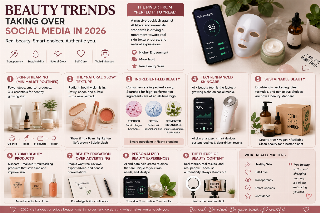
Technology in Modern Skincare
Technology continues transforming skincare in exciting ways.
Consumers now have access to professional-quality treatments at home.
Popular technologies include:
LED Light Therapy
LED masks are increasingly used to address:
- Acne
- Inflammation
- Fine lines
- Collagen production
- Skin healing
These treatments are non-invasive and complement topical skincare when used according to manufacturer guidelines.
AI Skin Analysis
Many skincare brands now offer AI-powered skin analysis through smartphone apps.
These tools evaluate:
- Hydration
- Pigmentation
- Wrinkles
- Redness
- Pore visibility
- Skin texture
They then recommend personalized skincare routines based on the results.
Smart Beauty Devices
Modern beauty devices include:
- Facial cleansing brushes
- Microcurrent devices
- Cooling rollers
- Facial massage tools
- Ultrasonic infusion devices
These technologies enhance skincare routines without replacing healthy daily habits.
Personalized Skincare
Personalization is becoming one of the defining trends of 2026.
Rather than following influencer routines, consumers are choosing products based on:
- Skin type
- Climate
- Lifestyle
- Age
- Medical history
- Skin sensitivity
Personalized routines often produce better long-term results than generic skincare recommendations.
Sustainable Beauty Continues to Grow
Environmental responsibility remains an important part of the skincare industry.
Many brands are reducing waste through:
- Refillable packaging
- Recyclable materials
- Water-efficient manufacturing
- Cruelty-free testing
- Sustainable ingredient sourcing
Consumers increasingly value brands that combine scientific innovation with environmental responsibility.
Building an Effective Daily Routine
A simple morning routine includes:
- Gentle cleanser
- Hydrating serum
- Moisturizer
- Sunscreen
An evening routine may include:
- Gentle cleanser
- One targeted treatment
- Moisturizer
This straightforward routine supports healthy skin without overwhelming it.
Long-Term Benefits of Barrier-Focused Skincare
Maintaining a healthy skin barrier provides numerous long-term benefits.
These include:
- Reduced irritation
- Better hydration
- Improved elasticity
- More even skin tone
- Fewer breakouts
- Stronger resistance to environmental stress
- Healthier aging
- Enhanced effectiveness of active ingredients
Patients who prioritize skin health over quick fixes often achieve more consistent and lasting improvements.
Conclusion
The skincare landscape in 2026 reflects a major shift toward science-backed, sustainable, and barrier-focused care. Instead of relying on complicated routines packed with multiple active ingredients, today’s approach emphasizes protecting the skin’s natural defenses through gentle cleansing, consistent hydration, targeted treatments, moisturizing, and daily sun protection.
Consumers are becoming more informed, choosing quality over quantity and long-term skin health over temporary trends. Innovations such as LED light therapy, AI-powered skin analysis, and personalized skincare recommendations continue to shape the future, making professional-level care more accessible than ever before.
Ultimately, the healthiest skin is not achieved through excessive products but through balance, consistency, and respect for the skin’s natural protective barrier. By following a simple, evidence-based routine, individuals can enjoy stronger, healthier, and more resilient skin for years to come.