




Introduction
The beauty industry in 2026 has entered an era where technology is no longer a luxury—it has become an essential part of everyday self-care. The rapid evolution of wearable devices, artificial intelligence, and smart sensors has completely redefined the way people approach skincare, haircare, and overall wellness. Rather than relying on generalized beauty advice or products designed for the average consumer, individuals now expect solutions tailored specifically to their unique needs.
This shift has given rise to what experts call the wearable beauty revolution. Smart beauty devices are capable of collecting real-time information about the skin, scalp, and even the body’s overall health. Using advanced sensors and AI-powered algorithms, these tools analyze factors such as hydration, elasticity, oil production, UV exposure, sleep quality, stress levels, and environmental conditions. The collected data is then translated into personalized recommendations that help users make better decisions about their beauty routines.
The result is a new generation of beauty experiences that are more intelligent, precise, and effective than ever before. Instead of guessing which serum or moisturizer might work, consumers receive recommendations based on measurable data. This hyper-personalized approach reduces unnecessary product use, improves skincare results, and creates routines that adapt as the body changes over time.
At the same time, sustainability has become equally important. Consumers expect beauty technology to be durable, rechargeable, repairable, and environmentally responsible. As a result, brands are designing products that not only improve appearance but also reduce waste and support long-term use.
The wearable beauty revolution represents far more than a technological trend. It marks the beginning of a future where beauty is driven by science, supported by artificial intelligence, and focused on improving both appearance and overall well-being.
The Rise of Smart Beauty Tools
Smart beauty tools have become one of the fastest-growing segments of the global beauty industry. Unlike traditional skincare devices that perform a single function, modern wearables continuously collect information and adjust treatments based on real-time changes in the user’s skin or hair.
These intelligent devices combine advanced sensors, wireless connectivity, cloud computing, and artificial intelligence to deliver professional-level analysis directly at home. Every treatment becomes more personalized because the device understands the user’s specific needs instead of following a fixed program.
Consumers appreciate this technology because it removes uncertainty from skincare. Instead of purchasing products through trial and error, they receive scientifically informed recommendations supported by measurable results.
The increasing popularity of these devices also reflects a broader consumer preference for convenience. Professional-quality skincare treatments that once required frequent clinic visits can now be performed safely and consistently at home.
Intelligent Skincare Powered by Artificial Intelligence
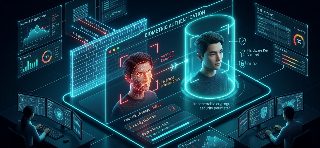
Artificial intelligence has become the foundation of personalized skincare in 2026. Smart skincare devices can now scan the face using high-resolution sensors capable of identifying concerns that may not yet be visible to the human eye.
These systems evaluate multiple skin characteristics simultaneously, including:
- Hydration levels
- Oil production
- Skin texture
- Fine lines and wrinkles
- Pigmentation
- Pore size
- Redness
- Elasticity
- Sensitivity
- UV damage
The collected information is instantly analyzed using AI algorithms trained on millions of skin images. Instead of providing generic skincare advice, the software creates customized treatment plans based on the individual’s skin condition.
Many smart beauty applications also monitor progress over weeks and months. By comparing previous scans, users can see measurable improvements in hydration, wrinkle depth, or pigmentation, making skincare more evidence-based than ever before.
Smart Face Masks and Skin Sensors
Traditional sheet masks have evolved into intelligent beauty devices equipped with miniature sensors capable of reading the skin during treatment.
These smart masks monitor factors such as temperature, hydration, and moisture loss while automatically adjusting treatment intensity for maximum effectiveness.
Some models release active ingredients only when needed, ensuring better absorption while minimizing product waste.
Wearable skin sensors have also become increasingly popular. These lightweight patches continuously monitor skin health throughout the day, tracking how weather, pollution, stress, exercise, and UV exposure affect the complexion.
Instead of following the same routine every morning and evening, users receive real-time alerts recommending when to increase hydration, apply sunscreen, or strengthen the skin barrier.
The Growth of LED Light Therapy Wearables
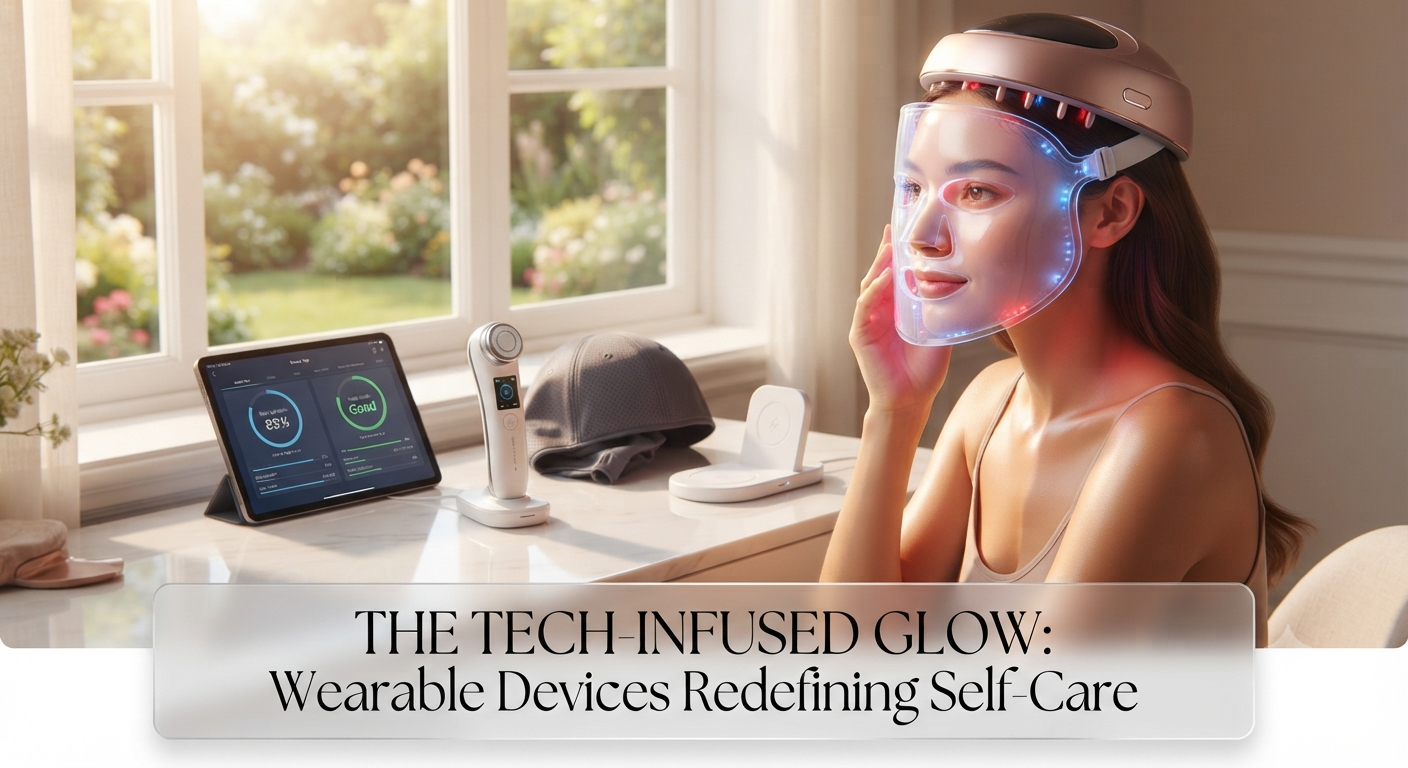
LED light therapy has become one of the most successful beauty technologies of the decade. Once limited to dermatology clinics, modern LED masks are now safer, lighter, and significantly more effective for home use.
Advanced LED masks incorporate flexible materials, rechargeable batteries, and intelligent microcircuits that regulate light intensity based on skin sensitivity.
Different wavelengths of light serve different purposes:
- Red light supports collagen production and reduces visible signs of aging.
- Blue light targets acne-causing bacteria.
- Near-infrared light promotes skin healing and reduces inflammation.
- Yellow light helps improve circulation and reduce redness.
Many devices automatically recommend the most appropriate treatment after scanning the user’s skin.
This level of personalization improves treatment effectiveness while minimizing unnecessary exposure to specific wavelengths.
Smart Haircare and Scalp Technology
Haircare has undergone a similar transformation through wearable technology.
Healthy hair begins with a healthy scalp, and modern devices focus heavily on maintaining optimal scalp conditions.
Laser hair growth caps using low-level light therapy have become increasingly common for supporting stronger, healthier hair follicles.
These wearable caps deliver carefully calibrated light energy that encourages circulation and supports natural hair growth.
At the same time, smart scalp massagers have introduced haptic feedback systems that automatically adjust massage pressure depending on scalp tension.
Some devices even analyze:
- Scalp hydration
- Oil balance
- Follicle density
- Hair thickness
- Hair breakage
- Scalp sensitivity
This information allows users to create personalized haircare routines that address their unique concerns rather than following generalized advice.
Precision Beauty Treatments at Home
One of the most exciting developments in wearable beauty technology is precision treatment.
Modern AI-powered systems can identify highly specific concerns including:
- Acne scars
- Hyperpigmentation
- Fine lines
- Sun damage
- Uneven skin tone
- Dark spots
- Dry patches
Rather than treating the entire face equally, these systems deliver active ingredients only where they are needed.
Micro-delivery technology improves product efficiency while reducing waste.
Some devices also combine multiple treatment methods simultaneously, including:
- LED therapy
- Ultrasonic vibration
- Gentle warming
- Microcurrent stimulation
- Cooling technology
This combination creates professional-quality skincare experiences without requiring salon appointments.
Hyper-Personalization Becomes the New Standard
Personalization has evolved beyond choosing products based on skin type.
Modern beauty routines now adapt daily according to changing conditions.
Artificial intelligence considers dozens of variables, including:
- Local weather
- Humidity
- Air pollution
- UV index
- Sleep quality
- Stress levels
- Menstrual cycle
- Water intake
- Diet
- Physical activity
A moisturizer recommended on a cold winter morning may differ from one suggested during a humid summer afternoon.
This dynamic personalization improves skincare efficiency while preventing unnecessary product layering.
Consumers increasingly value routines that change alongside their lifestyles rather than remaining fixed.
The Emergence of Metabolic Beauty
One of the defining beauty concepts of 2026 is Metabolic Beauty.
This philosophy recognizes that healthy skin reflects the body’s internal condition rather than simply external care.
Instead of treating the skin as an isolated organ, metabolic beauty connects appearance with overall health.
Modern wearable devices monitor multiple wellness indicators including:
- Sleep duration
- Heart rate variability
- Stress response
- Physical recovery
- Hydration
- Nutrition
- Daily movement
Artificial intelligence then compares these health indicators with changes in the skin.
For example, poor sleep may correlate with increased dryness, while elevated stress may trigger redness or breakouts.
By identifying these relationships, wearable beauty technology encourages healthier lifestyle choices alongside better skincare habits.
Beauty Meets Wellness
The distinction between beauty and wellness continues to disappear.
Consumers increasingly expect beauty devices to improve emotional well-being alongside physical appearance.
Many wearable devices now include multisensory experiences designed to create relaxation.
Features may include:
- Gentle warming
- Cooling therapy
- Soft vibration
- Rhythmic massage
- Light therapy
- Guided breathing synchronization
These experiences transform skincare routines into calming rituals that reduce stress while supporting healthier skin.
The emotional benefits are becoming just as important as visible cosmetic improvements.
Real-Time Beauty Feedback
Traditional skincare often required weeks before users knew whether a product was effective.
Wearable technology eliminates much of this uncertainty.
Smart sensors continuously measure changes in hydration, elasticity, redness, and oil balance.
Users receive immediate updates showing whether a treatment is improving skin health.
This instant feedback builds confidence while helping consumers avoid ineffective products.
Real-time monitoring also motivates consistency because visible progress encourages better adherence to skincare routines.
AI Beauty Assistants
Artificial intelligence now functions as a personal beauty consultant available twenty-four hours a day.
These virtual assistants analyze data collected from wearable devices before recommending:
- Morning skincare routines
- Evening treatments
- Product combinations
- Seasonal adjustments
- Haircare schedules
- Sun protection strategies
- Lifestyle improvements
Some systems even remind users when to drink more water, improve sleep habits, or reapply sunscreen.
Rather than replacing dermatologists, these assistants support everyday decision-making between professional consultations.
Sustainability in Beauty Technology
As beauty devices become increasingly sophisticated, consumers have also become more environmentally conscious.
Disposable electronics no longer align with modern sustainability expectations.
Manufacturers are therefore designing products that prioritize durability and longevity.
Key sustainability initiatives include:
- Rechargeable batteries
- Modular components
- Replaceable accessories
- Energy-efficient charging
- Recyclable materials
- Minimal packaging
- Repairable designs
These innovations reduce electronic waste while encouraging long-term product ownership.
Consumers increasingly view beauty devices as lasting investments rather than disposable accessories.
The Circular Beauty Economy
The beauty industry is embracing the principles of the circular economy.
Instead of encouraging constant replacement, brands now design products that can be upgraded, repaired, and maintained over many years.
Some companies offer replacement sensor modules rather than requiring customers to purchase entirely new devices.
Others provide recycling programs for worn components and packaging.
This approach benefits both consumers and the environment by extending product life cycles and reducing waste.
Data Privacy and Consumer Trust
As wearable beauty devices collect increasing amounts of personal information, data privacy has become a major priority.
Consumers expect brands to handle sensitive health and skincare information responsibly.
Leading companies now invest heavily in:
- Secure cloud storage
- Encrypted data transmission
- User-controlled privacy settings
- Transparent data policies
Building trust has become essential because personalized beauty depends on the responsible use of personal information.
Brands that prioritize privacy are likely to maintain stronger customer relationships over the coming years.
Challenges Facing Wearable Beauty Technology
Despite rapid innovation, several challenges remain.
High development costs continue to make premium wearable devices expensive for many consumers.
Accuracy also depends on consistent usage and proper calibration.
Additionally, artificial intelligence recommendations should complement—not replace—professional dermatological advice, particularly for serious skin conditions.
Manufacturers must also balance technological complexity with ease of use.
Consumers want intelligent devices that remain simple, intuitive, and comfortable enough for daily wear.
Addressing these challenges will determine how quickly wearable beauty technology becomes universally accessible.
The Future of Wearable Beauty
The future of wearable beauty looks increasingly connected, predictive, and intelligent.
Next-generation devices are expected to detect skin changes before visible symptoms appear, allowing preventive treatments rather than corrective ones.
Artificial intelligence will continue learning from individual users, making recommendations increasingly accurate over time.
Future innovations may integrate genetic information, hormonal changes, environmental monitoring, and nutritional analysis into a single personalized beauty ecosystem.
As technology advances, beauty routines will become less about experimentation and more about precision, helping consumers achieve healthier skin and hair with fewer products and greater confidence.
Conclusion
The wearable beauty revolution is redefining personal care by combining artificial intelligence, smart sensors, and wellness-focused innovation into one seamless experience. Beauty is no longer based on assumptions or generalized routines. Instead, it is guided by real-time data that allows consumers to understand exactly what their skin and hair need at any given moment.
From AI-powered skin analysis and intelligent face masks to LED therapy wearables and smart scalp devices, technology is making beauty routines more personalized, efficient, and scientifically informed than ever before. At the same time, the rise of Metabolic Beauty highlights the growing connection between external appearance and internal health, encouraging a more holistic approach to self-care.
Equally important is the industry’s commitment to sustainability through rechargeable devices, repairable designs, and circular manufacturing practices that reduce environmental impact. As innovation continues to accelerate, wearable beauty technology is expected to become even more predictive, adaptive, and accessible.
In 2026, beauty is no longer simply about looking better—it is about understanding the body, making informed decisions, embracing sustainable innovation, and using intelligent technology to support long-term skin, hair, and overall well-being. The wearable beauty revolution is not just shaping the future of cosmetics; it is transforming the entire philosophy of personal care.