






Introduction
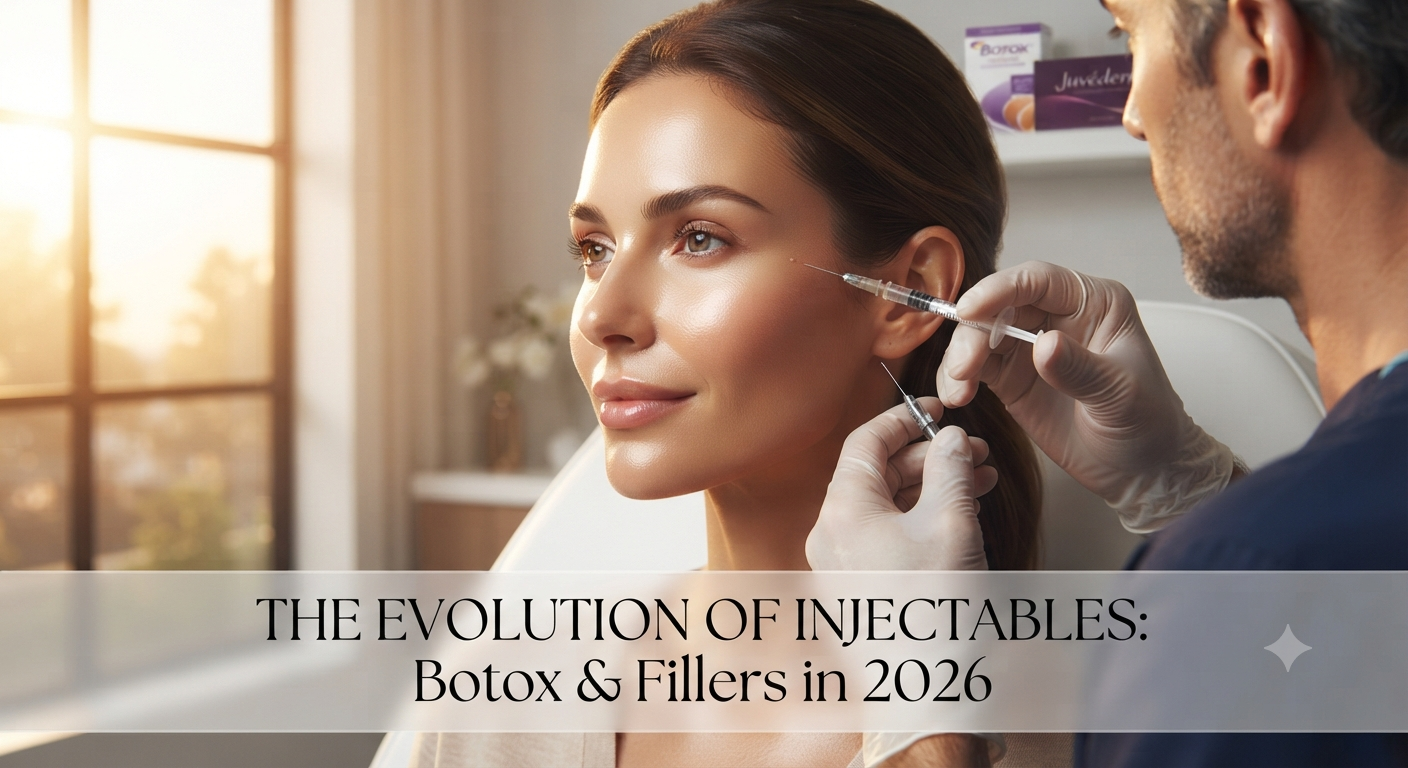
Minimally invasive cosmetic procedures continue to dominate the global beauty industry in 2026, with Botox and dermal fillers remaining the most sought-after aesthetic treatments. Millions of people choose these procedures each year to soften signs of aging, restore facial volume, and enhance their natural features without undergoing surgery. However, the philosophy surrounding cosmetic injectables has evolved significantly over the past few years.
Gone are the days when dramatic transformations, frozen expressions, and exaggerated facial features were considered desirable. Today’s patients prioritize subtle improvements that preserve facial movement, maintain individuality, and promote long-term skin health. Rather than chasing perfection, people are seeking refreshed, balanced, and naturally youthful appearances.
Advances in injection techniques, product formulations, facial anatomy research, and patient education have transformed aesthetic medicine. Medical professionals now focus on creating personalized treatment plans that respect each patient’s unique facial structure while emphasizing safety, transparency, and realistic expectations.
This comprehensive guide explores Botox, dermal fillers, their differences, modern treatment approaches, safety considerations, benefits, risks, alternatives, and the latest cosmetic trends shaping the industry in 2026.
The Evolution of Cosmetic Injectables
Cosmetic injectables have become one of the fastest-growing sectors of aesthetic medicine. Over the last decade, treatment techniques have shifted from correcting individual wrinkles to creating balanced facial harmony.
Patients today are more informed than ever before. Instead of requesting dramatic facial changes, they are asking for treatments that help them appear healthier, more rested, and naturally youthful.
Modern aesthetic medicine now focuses on:
- Preventive aging
- Facial balance
- Skin quality improvement
- Long-term collagen preservation
- Personalized treatment planning
- Natural facial movement
- Conservative enhancement
This evolution reflects changing beauty standards that celebrate authenticity rather than artificial perfection.
Understanding Botox
Botox belongs to a group of medicines called neuromodulators. These injections temporarily relax specific facial muscles responsible for creating expression lines and dynamic wrinkles.
Every time we smile, frown, squint, or raise our eyebrows, facial muscles contract. Over time, these repeated movements cause permanent wrinkles to form.
Botox works by temporarily interrupting communication between nerves and selected muscles, allowing the skin to remain smoother while still maintaining natural facial expressions when administered correctly.
Common treatment areas include:
- Forehead lines
- Frown lines between the eyebrows
- Crow’s feet around the eyes
- Bunny lines on the nose
- Chin dimpling
- Neck bands
- Jaw muscle slimming
- Excessive sweating treatment
Results typically begin appearing within several days and continue improving over the following two weeks.
Most treatments last approximately three to four months before muscle activity gradually returns.
Understanding Dermal Fillers
Unlike Botox, dermal fillers do not relax muscles.
Instead, fillers restore lost volume beneath the skin, smooth deeper folds, improve facial contours, and enhance certain facial features.
The majority of modern fillers contain hyaluronic acid, a naturally occurring substance already present within the skin.
Hyaluronic acid attracts water, creating hydration, volume, and structural support.
Dermal fillers are commonly used for:
- Lip enhancement
- Cheek restoration
- Jawline definition
- Chin projection
- Nasolabial folds
- Marionette lines
- Under-eye hollows
- Temple volume loss
- Hand rejuvenation
Treatment results are visible immediately, although mild swelling may temporarily affect the final appearance during the first few days.
Depending on the product used, fillers generally last between six months and two years.
Botox vs. Dermal Fillers: Understanding the Difference
Although Botox and dermal fillers are often mentioned together, they treat different cosmetic concerns.
Botox works by reducing muscle movement to soften expression lines caused by repeated facial movements. It is particularly effective for wrinkles that appear when smiling, frowning, or raising the eyebrows.
Dermal fillers, on the other hand, replace volume that naturally decreases with age. They lift, contour, and reshape facial features while smoothing static wrinkles that remain visible even when the face is relaxed.
Many patients benefit from combining both treatments because they address different aspects of facial aging.
Why Natural Results Are Defining 2026
One of the most significant changes in cosmetic medicine is the widespread shift toward subtle, natural-looking outcomes.
Patients no longer want others to notice that they have had cosmetic work done. Instead, they want compliments such as “You look well-rested” or “You look refreshed.”
This philosophy is often referred to as “Quiet Aesthetics” or “Aesthetic Subtle.”
Instead of dramatically changing facial features, aesthetic specialists now aim to:
- Preserve natural expressions.
- Enhance facial symmetry.
- Restore youthful proportions.
- Maintain individual identity.
- Prevent signs of premature aging.
The goal is enhancement—not transformation.
The Rise of Preventive Botox
Preventive Botox continues gaining popularity among younger adults.
Rather than waiting for deep wrinkles to develop, some individuals choose small doses of Botox before permanent lines become established.
The theory behind preventive treatment is simple.
Reducing repetitive muscle movement early may help delay the formation of deep wrinkles.
Preventive Botox is usually administered conservatively to maintain full facial expression while slowing the aging process.
Micro-Dosing: Less Is More
One of the biggest trends in 2026 is micro-dosing.
Instead of receiving large amounts of Botox or filler in one appointment, patients receive smaller, carefully calculated doses over multiple sessions.
Benefits of micro-dosing include:
- More natural movement.
- Lower risk of an overfilled appearance.
- Better facial balance.
- Easier maintenance.
- Reduced recovery time.
- Gradual improvements.
This technique allows practitioners to evaluate results progressively rather than making dramatic changes all at once.
Personalized Treatment Plans
No two faces age in exactly the same way.
Modern aesthetic medicine recognizes that successful cosmetic treatment depends on individualized assessment rather than standardized injection patterns.
During consultation, providers evaluate:
- Facial proportions.
- Muscle strength.
- Skin elasticity.
- Volume loss.
- Bone structure.
- Lifestyle.
- Age.
- Previous treatments.
- Personal goals.
This personalized approach produces more harmonious and natural results.
The Consultation Process
A thorough consultation is one of the most important steps before any injectable treatment.
During the appointment, medical professionals review the patient’s medical history, allergies, medications, previous cosmetic procedures, and overall health.
Patients should openly discuss:
- Desired results.
- Lifestyle expectations.
- Budget.
- Recovery time.
- Pregnancy status.
- Existing medical conditions.
Photographs are often taken to monitor progress and assist treatment planning.
An honest consultation also ensures realistic expectations regarding what Botox and fillers can—and cannot—achieve.
Choosing a Qualified Provider
As cosmetic injectables become increasingly popular, selecting a qualified medical professional has never been more important.
Treatments should only be performed by experienced healthcare professionals with advanced training in facial anatomy and injection techniques.
Qualified providers include:
- Board-certified dermatologists.
- Plastic surgeons.
- Cosmetic physicians.
- Licensed medical professionals with specialized aesthetic training.
Choosing an experienced injector significantly reduces the risk of complications while improving overall treatment outcomes.
Safety Comes First
Botox and dermal fillers are considered safe when administered correctly, every medical procedure carries some degree of risk.
Patients should understand both the benefits and possible complications before treatment.
Temporary side effects may include:
- Redness
- Swelling
- Bruising
- Mild tenderness
- Temporary asymmetry
- Headache
Less common but more serious complications can occur if injections are performed incorrectly, highlighting the importance of choosing an experienced provider.
Following aftercare instructions also contributes to safer recovery.
FDA-Approved Products and Transparency
Transparency has become a defining feature of reputable aesthetic clinics in 2026.
Patients increasingly ask questions about:
- Product manufacturer.
- Regulatory approval.
- Ingredient composition.
- Expiration dates.
- Expected longevity.
- Safety studies.
Clinics should clearly explain which products they use and ensure they are approved by relevant health authorities, such as the U.S. Food and Drug Administration (FDA) or equivalent regulatory agencies in their country.
This openness builds trust and helps patients make informed decisions.
Recovery and Aftercare
Recovery following Botox and dermal fillers is generally quick.
Most individuals return to work or normal activities within a day.
Common aftercare recommendations include:
- Avoid rubbing treated areas.
- Stay upright for several hours after Botox.
- Avoid strenuous exercise for the first day.
- Limit alcohol immediately after treatment.
- Follow all provider instructions carefully.
Minor swelling or bruising usually resolves within a few days.
Patients should contact their provider if they notice unusual symptoms or prolonged discomfort.
Who Is a Good Candidate?
Ideal candidates for cosmetic injectables are healthy adults with realistic expectations who wish to improve mild to moderate signs of facial aging without surgery.
Treatment may be appropriate for individuals who want to:
- Reduce wrinkles.
- Restore facial volume.
- Improve facial symmetry.
- Enhance lips.
- Define the jawline.
- Maintain a youthful appearance.
A consultation helps determine whether injectables are suitable or whether another treatment may provide better results.
When Injectables May Not Be Appropriate
Botox and dermal fillers are not suitable for everyone.
Treatment may need to be postponed or avoided in cases involving:
- Active skin infections.
- Certain neurological disorders.
- Pregnancy or breastfeeding.
- Severe allergies to treatment ingredients.
- Unrealistic cosmetic expectations.
Medical evaluation helps ensure patient safety before proceeding.
Non-Invasive Alternatives
Many individuals now combine injectables with other treatments or choose alternatives that stimulate the skin naturally.
Popular options include:
Microneedling
Microneedling creates controlled micro-injuries in the skin, encouraging natural collagen production and improving texture, scars, and fine lines.
Laser Resurfacing
Laser treatments improve pigmentation, wrinkles, sun damage, and skin texture by stimulating collagen remodeling beneath the surface.
Radiofrequency Treatments
Radiofrequency technology gently heats deeper skin layers to tighten tissue and encourage collagen formation.
Medical-Grade Skincare
Professional skincare products containing retinoids, peptides, antioxidants, growth factors, and ceramides help maintain healthy skin while complementing in-office procedures.
Many patients achieve excellent long-term results by combining these therapies.
The Importance of Healthy Skin
Injectables cannot replace proper skincare.
Healthy skin provides the foundation for successful cosmetic treatments.
Dermatologists recommend maintaining a routine that includes:
- Gentle cleansing.
- Daily moisturizer.
- Broad-spectrum sunscreen.
- Antioxidant protection.
- Barrier-supporting ingredients.
- Adequate hydration.
Good skincare helps preserve treatment results while promoting overall skin health.
Ethical Beauty and Realistic Expectations
One of the most positive developments in 2026 is the growing emphasis on ethical cosmetic practice.
Responsible providers encourage patients to appreciate their natural features rather than pursuing unrealistic beauty ideals.
Modern consultations focus on:
- Facial harmony.
- Emotional well-being.
- Age-appropriate enhancement.
- Informed consent.
- Conservative treatment planning.
This patient-centered philosophy prioritizes confidence, safety, and authenticity over excessive cosmetic alteration.
The Future of Cosmetic Injectables
Research continues to improve injectable treatments.
Future innovations are expected to include:
- Longer-lasting neuromodulators.
- Advanced hyaluronic acid formulations.
- Personalized treatment planning using artificial intelligence.
- Regenerative injectables that stimulate natural collagen production.
- Combination therapies integrating injectables with skin rejuvenation technologies.
These developments aim to provide safer procedures, more natural results, and longer-lasting improvements while preserving facial movement and individuality.
Conclusion
Botox and dermal fillers remain among the most effective minimally invasive cosmetic treatments available in 2026. However, the industry’s priorities have shifted dramatically from dramatic transformations toward subtle, natural-looking enhancements that respect each person’s unique facial anatomy. Today’s aesthetic philosophy values healthy skin, balanced proportions, realistic expectations, and individualized care over exaggerated cosmetic changes.
Choosing a qualified medical professional, undergoing a thorough consultation, understanding the differences between Botox and dermal fillers, and maintaining a consistent skincare routine are all essential for achieving safe and satisfying results. For those who prefer non-invasive options, treatments such as microneedling, laser resurfacing, and medical-grade skincare offer effective alternatives that stimulate collagen production and improve overall skin quality.
Ultimately, the future of cosmetic medicine is centered on enhancing confidence rather than changing identity. By combining scientific innovation with ethical practice and a focus on long-term skin health, Botox and dermal fillers continue to evolve as valuable tools for achieving refreshed, youthful, and naturally beautiful results.