



Introduction
After years of rapid AI adoption and constant digital connectivity, many people are rethinking their relationship with technology. In 2026, a growing movement toward tech minimalism is helping individuals reduce digital distractions and regain control over their time, attention, and mental well-being.
Rather than rejecting technology entirely, people are learning how to use it more intentionally—keeping its benefits while minimizing its interruptions.
The Rise of Tech Minimalism
Modern life is filled with endless notifications, crowded home screens, and constant streams of information. This always-connected lifestyle has contributed to increasing levels of digital fatigue, making focus and mental clarity more difficult to maintain.
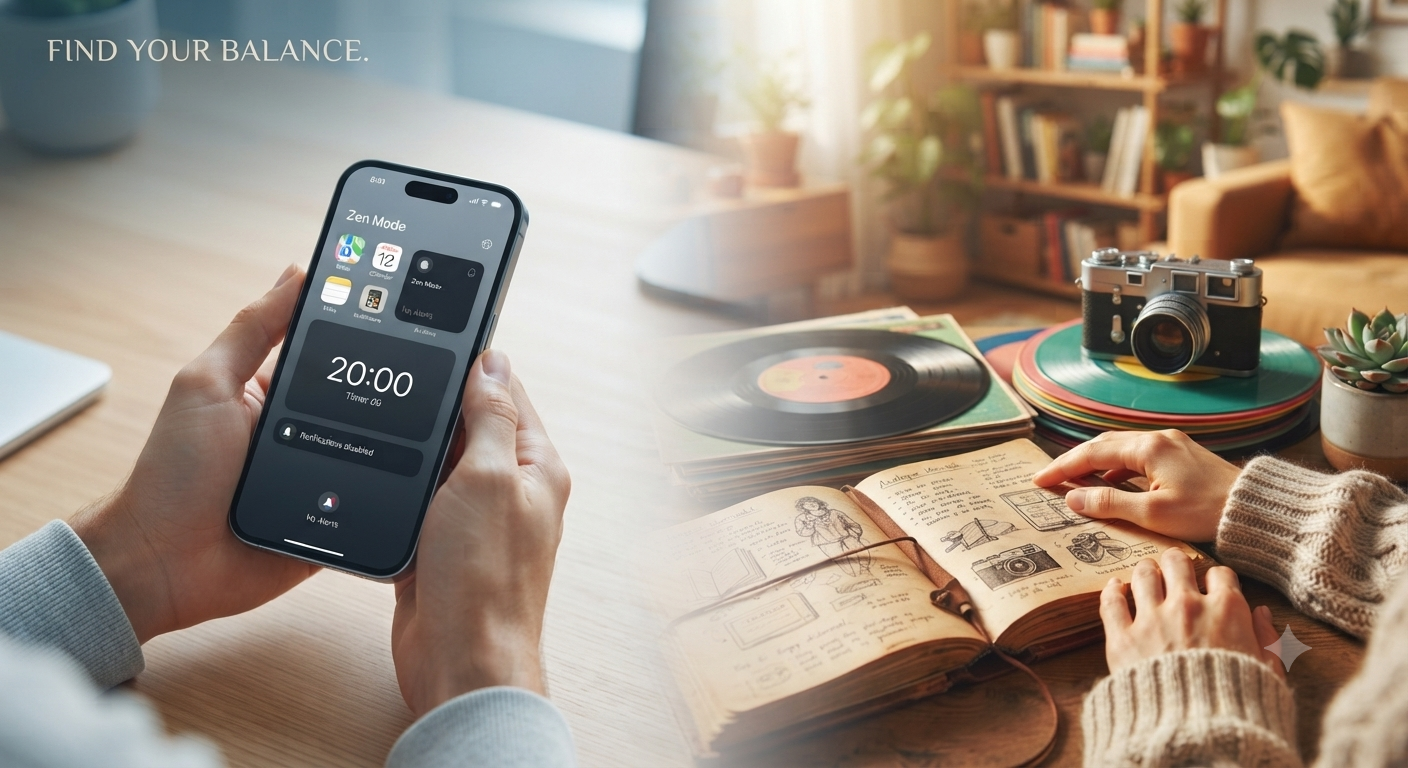
In response, many individuals are adopting simple but effective habits, including:
- Simplifying smartphone home screens.
- Turning off non-essential notifications.
- Scheduling regular digital detox periods.
- Setting boundaries for screen time.
- Using technology with greater purpose and intention.
The goal is not to eliminate technology, but to make it serve people rather than compete for their attention.
The Return of Analogue Living
As digital consumption decreases, interest in physical, hands-on experiences is growing. This trend—often described as analogue maximalism—encourages people to reconnect with activities that provide creativity, mindfulness, and tangible results.
A Revival of Retro Media
Vinyl records, cassette tapes, CDs, and other physical media are experiencing renewed popularity. Many people appreciate the tactile experience and slower, more intentional way of enjoying music.
Rediscovering Creative Hobbies
Traditional hobbies such as journaling, crocheting, painting, gardening, reading printed books, and film photography are attracting younger generations who value creating something they can see and hold.
These activities offer a welcome contrast to screen-based entertainment and encourage deeper focus and relaxation.
Finding a Healthy Balance
The defining goal of 2026 is not to disconnect completely—it is to build a healthier relationship with technology.
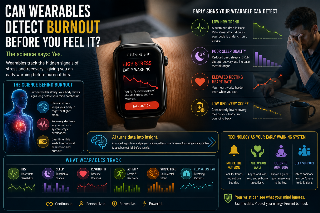
Many people now use AI-powered wellness tools to improve sleep, monitor physical activity, and support mental well-being, while also creating intentional spaces free from digital distractions.
By deciding when to engage with technology and when to step away from it, individuals can enjoy the advantages of digital innovation without sacrificing presence, creativity, or peace of mind.
Conclusion
The future of digital wellness is not about choosing between technology and real life—it is about finding the right balance.
As tech minimalism and analogue living continue to gain momentum throughout 2026, people are discovering that the healthiest lifestyle combines the convenience of smart technology with the richness of meaningful, offline experiences. The result is a more mindful, productive, and fulfilling way of living.