





Introduction
Not long ago, artificial intelligence seemed like something confined to science fiction or advanced research laboratories. Today, that perception has changed dramatically.
In 2026, AI has become an integral part of daily life, working quietly behind the scenes to simplify routine tasks, improve decision-making, and create more personalized experiences. From smartphones and navigation apps to healthcare and education, AI is no longer a futuristic concept—it is a practical tool that millions of people rely on every day.
AI in Everyday Activities
From the moment we wake up, artificial intelligence begins working in the background.
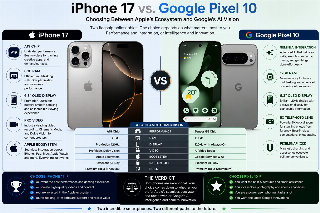
Modern smartphones use AI to optimize battery performance, enhance camera quality, filter spam, and personalize notifications based on user behavior. Navigation apps analyze real-time traffic conditions to recommend the fastest routes, while digital assistants help manage schedules, reminders, and everyday tasks.
These intelligent systems reduce friction in daily life, saving time and allowing people to focus on what matters most.
Transforming the Workplace
Artificial intelligence is also reshaping the modern workplace. Rather than replacing human talent, AI is increasingly serving as a powerful productivity partner.
Businesses use AI to generate marketing content, analyze customer data, automate repetitive administrative tasks, and improve decision-making. Researchers can summarize lengthy reports within minutes, while professionals across industries use AI to streamline workflows and increase efficiency.
By taking over routine tasks, AI allows employees to dedicate more time to creativity, strategic thinking, and problem-solving—areas where human expertise remains essential.
Personalizing Healthcare and Education
AI is making healthcare and education more personalized than ever before.
In education, intelligent tutoring systems adapt lessons to each student’s learning pace, helping learners better understand challenging concepts through customized instruction and real-time feedback.
In healthcare, AI-powered diagnostic tools assist medical professionals by identifying patterns in medical data, supporting earlier detection of diseases, and enabling more informed clinical decisions.
These applications are improving outcomes while enhancing accessibility and efficiency across essential services.
Building Trust in the AI Era
As AI becomes part of everyday infrastructure, responsible development and ethical use are becoming increasingly important.
Organizations are prioritizing transparency, data privacy, security, and human oversight to ensure AI systems remain reliable and trustworthy. Building public confidence requires more than technological innovation—it requires responsible governance and thoughtful implementation.
Understanding how to collaborate effectively with AI, rather than relying on it blindly, will be one of the defining skills of the coming years.
Conclusion
Artificial intelligence is no longer a technology of the future—it is a technology of the present.
As AI continues to evolve throughout 2026, it is transforming how we live, work, learn, and communicate. The greatest opportunities will come not from replacing human capabilities but from combining human creativity with AI-powered intelligence to build a smarter, more productive, and more connected world.