






Redefining Long-Term Health
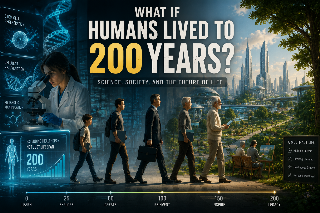
For years, the ultimate goal of wellness was largely measured by lifespan—the number of years a person lives. But in 2026, the conversation around longevity is evolving.
A growing movement is placing greater emphasis on "joyspan": the idea that additional years should be filled with energy, mental clarity, meaningful experiences, and happiness.
The goal is no longer simply to add more years to life, but to improve the quality of those years.
The Rise of "Brain Wealth"
At the heart of the joyspan movement is the concept of brain wealth. Instead of viewing cognitive decline as an unavoidable part of aging, people are increasingly treating cognitive health as something worth investing in throughout their lives.
Like a long-term investment portfolio, the idea is that small, consistent habits can contribute to maintaining cognitive well-being over time.
Active Cognitive Engagement
Lifelong learning, reading, creative hobbies, learning new skills, and challenging problem-solving activities can keep the mind engaged.
By incorporating intellectually stimulating activities into everyday routines, people can continue developing knowledge and supporting cognitive resilience throughout life.
Rest as Restoration
Quality sleep is increasingly recognized as a critical part of long-term health. During sleep, the brain performs important restorative functions that support memory, learning, and cognitive performance.
Prioritizing consistent, high-quality sleep is therefore an essential part of maintaining mental sharpness and overall well-being.
Nutritional Synergy
Nutrition also plays an important role in supporting long-term health. Balanced eating patterns that include nutrient-dense foods, healthy fats, fruits, vegetables, and antioxidant-rich ingredients can provide essential nutrients that support normal brain function and overall wellness.
Rather than relying on extreme diets or quick fixes, the focus is shifting toward sustainable nutritional habits that can be maintained throughout life.
Actionable Steps for Everyday Vitality
Protecting your long-term cognitive and physical health does not require a complete lifestyle overhaul. Small, sustainable changes can make a meaningful difference.
Consider replacing passive scrolling with active learning, creating a consistent sleep schedule, and incorporating enjoyable movement into your daily routine.
Physical activity does not need to feel like punishment. Walking, cycling, swimming, dancing, or any other enjoyable form of movement can support both physical health and mental well-being.
The key is to focus on habits that are realistic, enjoyable, and sustainable.
Conclusion
The rise of the joyspan movement represents a broader shift in how people think about longevity.
The goal is no longer simply to live longer—it is to live better for longer.
By prioritizing cognitive engagement, quality sleep, balanced nutrition, physical activity, and meaningful experiences, individuals can work toward a future where additional years are not merely counted but genuinely enjoyed.
In 2026, the new measure of longevity is becoming increasingly clear: a longer life is valuable, but a longer life filled with health, purpose, vitality, and joy is the ultimate goal.