






From Passive Rest to Active Recovery
For years, hustle culture celebrated working longer, sleeping less, and pushing through exhaustion. Sleep was often treated as an interruption to productivity rather than an essential part of it.
By 2026, that mindset is changing.
A growing wellness movement recognizes that sustained performance cannot be built on caffeine and willpower alone. Instead, recovery—particularly high-quality sleep—is becoming a foundational part of maintaining energy, focus, and cognitive performance.
The modern approach views sleep not as wasted time, but as an investment in the next day's potential.
The Pillars of Modern Sleep Optimization
Improving sleep involves more than simply going to bed earlier. The 2026 approach focuses on creating consistent routines and optimizing the environment to support healthy sleep.
Temperature and Environment
The sleep environment can have a significant impact on comfort and rest.
Many people are experimenting with temperature-controlled mattresses, breathable bedding, blackout curtains, and quiet bedrooms to create conditions that encourage uninterrupted sleep.
The goal is to make the bedroom a dedicated environment for recovery and relaxation.
Circadian Alignment
The body's internal clock plays an important role in sleep quality.
Exposure to natural daylight in the morning can help reinforce the body's daily rhythm, while reducing bright and stimulating light in the evening may make it easier to transition into nighttime rest.
Maintaining consistent sleep and wake times can also help establish a more predictable routine.
Thoughtful Evening Nutrition
What and when we eat can influence how comfortable we feel at night.
Many wellness-focused routines emphasize balanced evening meals, avoiding very heavy meals close to bedtime, and choosing calming caffeine-free beverages as part of a relaxing nighttime routine.
Some people also explore supplements such as magnesium, although individual needs vary and supplementation should be discussed with a qualified healthcare professional when appropriate.
Waking Up to Better Performance
The benefits of better sleep extend far beyond the night.
Consistent, high-quality rest can support concentration, memory, mood, physical recovery, and the ability to manage everyday challenges.
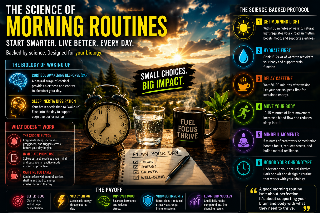
When sleep becomes a priority, mornings can feel less dependent on artificial stimulation. Instead of relying entirely on caffeine or sheer willpower, people can begin the day with greater mental clarity and more stable energy.
Conclusion
Sleep is emerging as one of the most valuable forms of self-care in 2026.
The modern approach to productivity recognizes a simple truth: working harder is not always the answer. Sustainable performance requires periods of meaningful recovery.
By treating sleep as a core part of health rather than an obstacle to productivity, individuals can build stronger foundations for focus, resilience, and long-term success.
The best investment you can make in tomorrow's performance may begin with how you spend tonight.