





Introduction
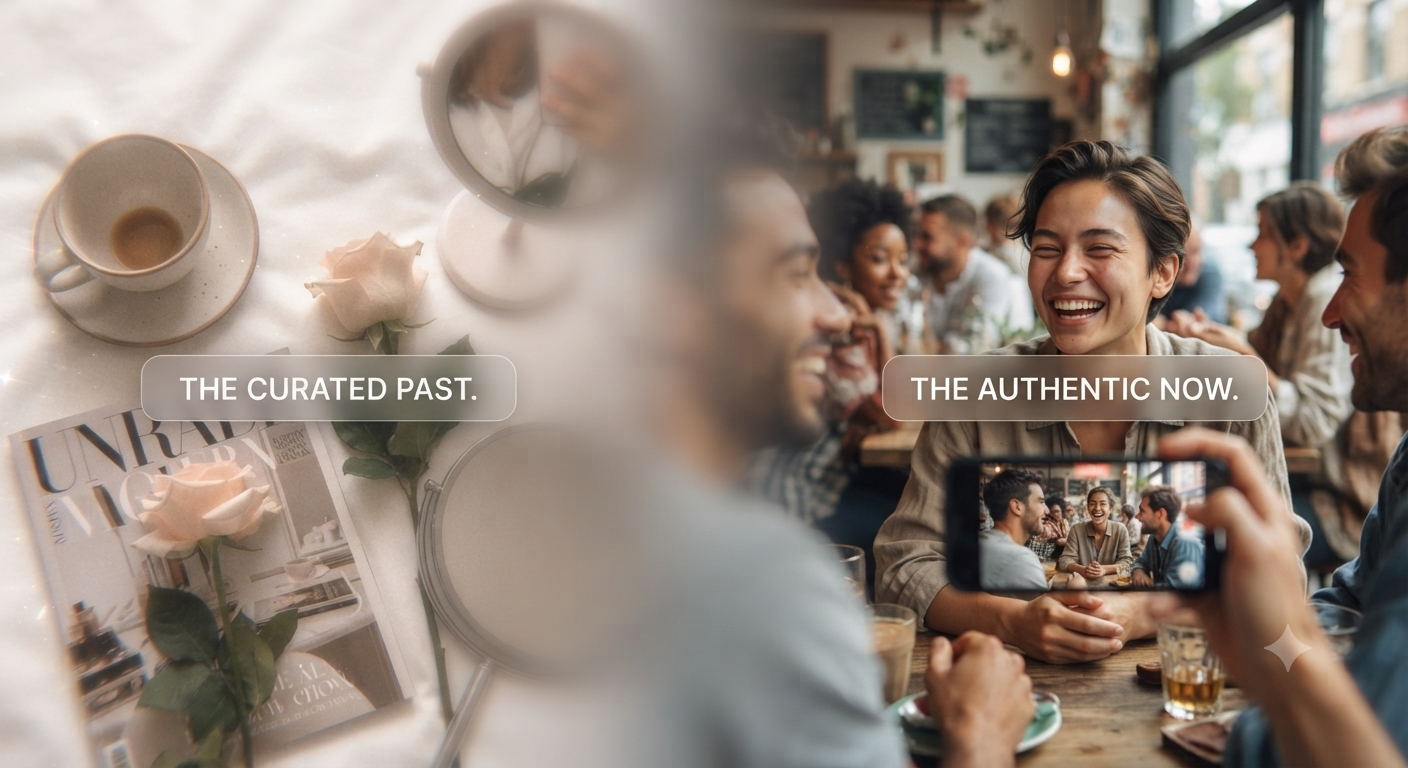
The social media landscape is undergoing a major transformation. In 2026, the era of the perfectly curated feed is fading as audiences increasingly seek authenticity over perfection.
Consumers are becoming more skeptical of overly polished marketing and carefully staged content. Instead, they are rewarding creators and brands that communicate openly, share real experiences, and build genuine connections.
For many users, authenticity now feels more trustworthy than perfection.
The Shift Toward Realness
Today’s audiences value transparency, honesty, and relatable storytelling.
Rather than watching highly produced promotional videos, many users prefer content that captures everyday moments, behind-the-scenes experiences, and genuine conversations. This shift reflects a broader change in how people build trust online—through authenticity rather than flawless presentation.
Brands that embrace a more human approach are finding it easier to connect with modern audiences.
Why Raw Content Performs Better
Data and platform trends continue to highlight the growing demand for authentic content.
Higher Engagement
Gen Z audiences are significantly more likely to interact with casual, lo-fi videos than with highly polished corporate productions. Short-form, relatable content often generates stronger conversations and community engagement.
Building Trust
When content feels natural and conversational, audiences are more likely to develop long-term trust in creators and brands. Authentic storytelling helps establish credibility and encourages meaningful relationships rather than one-time interactions.
Changing Content Preferences
Highly produced image posts are seeing lower engagement on many social platforms, while spontaneous videos, behind-the-scenes clips, and day-to-day content continue to gain popularity—particularly among younger audiences.
The Rise of the “Un-Influencer”
One of the defining digital trends of 2026 is the growth of the “un-influencer” movement.
Instead of presenting an idealized lifestyle, creators are sharing honest experiences, everyday routines, challenges, and personal perspectives. Their content feels more relatable because it reflects real life rather than carefully curated perfection.
For businesses, this shift means that successful marketing is no longer just about showcasing product features. It is about demonstrating how products and services fit naturally into people’s lives and solve real problems.
Conclusion
Authenticity is redefining digital success in 2026.
As audiences continue to value transparency over perfection, creators and brands that communicate with honesty, consistency, and genuine human connection will stand out in an increasingly crowded online landscape.
In the age of authentic content, the strongest influence comes not from appearing perfect—but from being real.