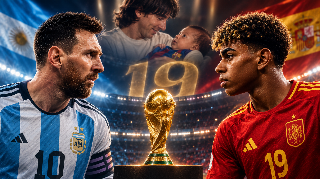






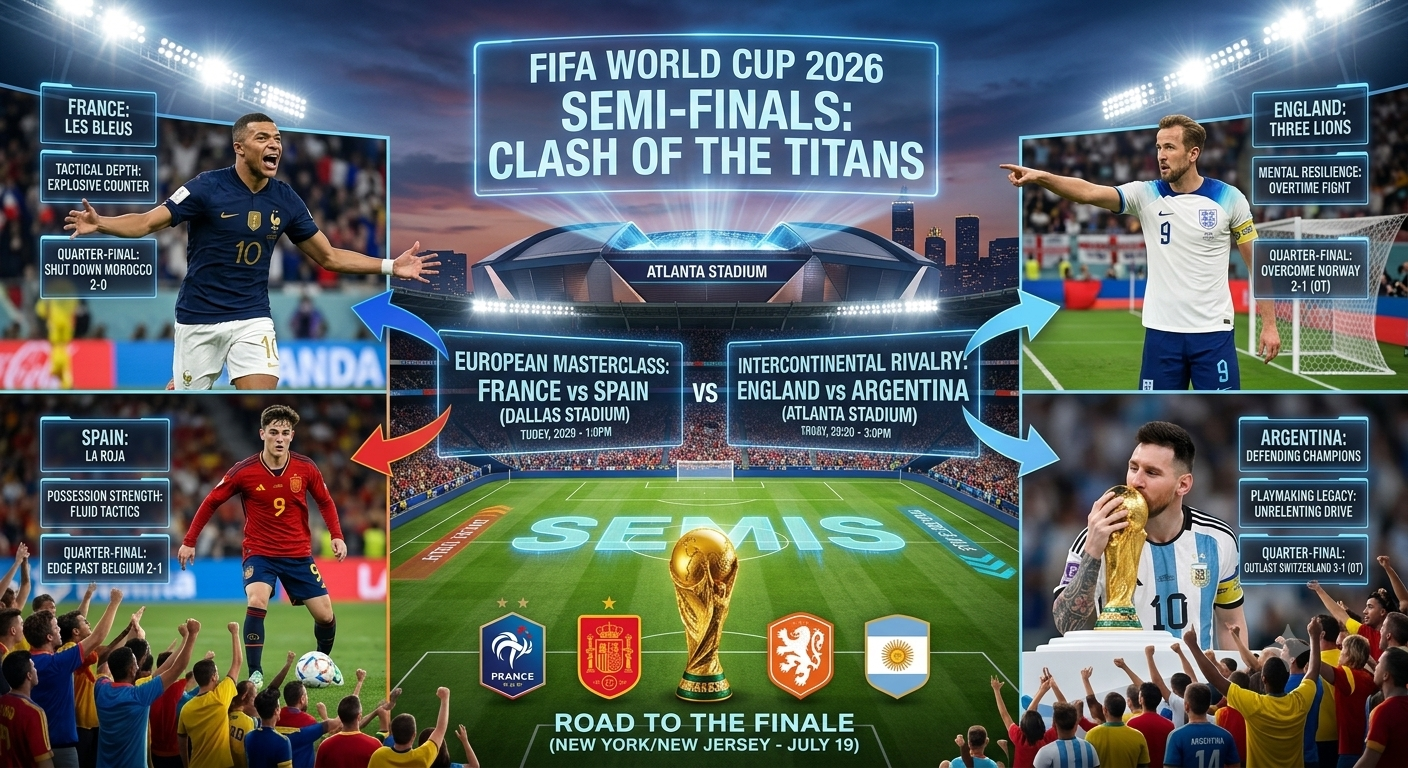
The 2026 FIFA World Cup has entered its most anticipated and emotionally charged stage, with only four nations remaining in the race to lift football's most prestigious trophy. After weeks of unforgettable matches, dramatic comebacks, tactical masterclasses, and emotional exits, the expanded 48-team tournament has reached a fitting conclusion to its knockout journey. The remaining contenders—France, Spain, England, and Argentina—are not simply the last teams standing; they are four of the most successful football nations in history, each carrying generations of legacy, expectation, and championship ambition. Their presence in the semi-finals guarantees that the closing chapter of this historic tournament will be remembered as one of the greatest finales the FIFA World Cup has ever produced.
From the opening match of the competition, the first-ever 48-team FIFA World Cup delivered exactly what football supporters around the globe had hoped for. The expanded format introduced new nations, fresh rivalries, and countless memorable moments while maintaining the elite quality expected from international football's biggest stage. Many critics questioned whether expanding the tournament would dilute the level of competition, but the knockout rounds have answered those doubts emphatically. Instead of weakening the tournament, the new format has created one of the most competitive and entertaining World Cups in modern history, producing high-quality football from every continent before ultimately leaving the sport's traditional giants to battle for the ultimate prize.
One of the most remarkable aspects of this year's tournament is the return of football's traditional powerhouses to the forefront. For the first time in decades, every team that has reached the semi-finals has previously lifted the FIFA World Cup trophy. This remarkable achievement highlights the enduring strength of nations that have consistently invested in player development, tactical evolution, and world-class football infrastructure. While emerging football nations have continued to narrow the competitive gap, the closing stages of this tournament demonstrate that experience, depth, and championship mentality remain invaluable assets when the pressure reaches its highest level.
Each of the four remaining teams has followed a unique path to the semi-finals, overcoming different tactical challenges and displaying different styles of football. Some have relied on disciplined defensive organization, while others have embraced attacking creativity and technical brilliance. Together, they represent the full spectrum of modern international football, where physical intensity, tactical intelligence, and individual moments of genius combine to determine success at the highest level.
France once again enters the final four as one of the tournament favorites. Over the past decade, Les Bleus have established themselves as perhaps the most consistently successful national team in world football. Their squad combines exceptional athleticism with remarkable technical ability, allowing them to adapt comfortably to almost any opponent. Whether controlling possession or launching devastating counterattacks, France possesses one of the deepest squads in international football, with world-class players capable of changing a match within seconds. Their balance between experienced leaders and emerging young stars continues to make them one of the most complete teams remaining in the competition.
Spain has demonstrated why it remains one of football's tactical innovators. While the famous possession-based philosophy continues to define its identity, the modern Spanish side has evolved into a far more direct and dynamic team without sacrificing technical excellence. Their midfield continues to dictate the rhythm of matches, while quick transitions and intelligent movement create opportunities against even the strongest defensive structures. Throughout the tournament, Spain has displayed impressive composure under pressure, consistently controlling games through intelligent positioning rather than relying solely on physical superiority.
England arrives in the semi-finals carrying the hopes of an entire nation eager to witness another historic triumph on football's biggest stage. After years of rebuilding its national team through investment in youth development and modern coaching philosophies, England now possesses one of the strongest squads in international football. The blend of experienced leaders and talented younger players has produced a team capable of competing with anyone in the world. More importantly, England has shown remarkable resilience throughout the tournament, repeatedly responding to difficult moments with maturity and determination.
Defending champions Argentina continue their pursuit of consecutive World Cup titles, demonstrating the confidence and experience that only reigning champions possess. Their tournament journey has reflected the team's ability to manage pressure while adapting to different styles of opposition. Argentina's tactical discipline, combined with its wealth of attacking talent, has once again made the South American giants one of the most difficult teams to defeat. Every knockout victory has reinforced the belief that championship experience remains one of football's greatest competitive advantages.
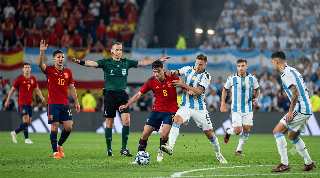
As attention now shifts toward the semi-finals, football supporters across every continent are preparing for two extraordinary encounters. The first semi-final brings together France and Spain in a contest expected to showcase two contrasting football philosophies. France's explosive pace, physical power, and rapid transitions will be tested against Spain's patient possession, technical precision, and structured build-up play. Every area of the pitch promises fascinating tactical battles as two European giants compete for a place in the final.
The second semi-final carries perhaps even greater historical significance. England and Argentina share one of the most famous rivalries in international football, with decades of unforgettable matches adding emotional intensity whenever the two nations meet. Every generation has contributed new chapters to this rivalry, making each encounter far more than simply another football match. Pride, history, and the opportunity to reach the World Cup Final combine to create one of the tournament's most compelling storylines.
Beyond the tactical battles and individual performances, these semi-finals also represent a meeting of different football cultures. European football's structured tactical systems will once again be measured against South America's creativity, passion, and technical artistry. While modern football has become increasingly globalized, national identity continues to influence playing styles, making these contests fascinating not only from a competitive perspective but also from a cultural one.
The commercial impact of the tournament has been equally extraordinary. Television audiences across the globe continue to reach record-breaking numbers as billions of viewers tune in to watch the world's biggest sporting event. Stadiums have remained packed throughout the competition, creating unforgettable atmospheres that reflect football's unmatched global appeal. Sponsors, broadcasters, and host cities have all benefited from the tournament's enormous international reach, reinforcing the FIFA World Cup's status as the most watched sporting competition on Earth.
As the final week of the tournament approaches, excitement continues to build among supporters, players, and football analysts alike. Every remaining match carries the weight of history, where a single moment of brilliance—or a single mistake—can determine who advances to football immortality. The margin between victory and defeat has never been smaller, and the pressure has never been greater.
Regardless of which two nations ultimately reach the final, the 2026 FIFA World Cup has already established itself as one of the most memorable tournaments in recent history. The expanded format has exceeded expectations, delivering competitive balance, global excitement, and unforgettable football while proving that the world's biggest sporting event can successfully evolve without losing its unique magic.
With the grand final scheduled for 19 July in New York New Jersey, the world now waits to discover which two football giants will earn the right to compete for the most coveted trophy in international sport. For the four remaining contenders, ninety minutes—or perhaps even more—stand between them and the opportunity to write another unforgettable chapter in World Cup history.