





Introduction
For decades, the traditional holiday itinerary revolved around daylight. Travelers would wake up early, spend long hours exploring famous attractions under the afternoon sun, and return to their hotels as evening approached. While this routine allowed tourists to visit popular destinations, it often came with crowded streets, long queues, and exhausting temperatures, especially during the summer months. As global tourism expanded and climate patterns changed, many travelers began searching for more comfortable and meaningful ways to experience the world.
By 2026, a remarkable travel trend has emerged that is changing how people plan their vacations. Known as Noctourism, or nocturnal tourism, this movement encourages travelers to explore destinations after sunset rather than during the hottest hours of the day. Instead of viewing nighttime as the end of sightseeing, tourists now see it as the beginning of unique cultural, natural, and recreational experiences. Cooler temperatures, quieter surroundings, and beautifully illuminated landmarks have transformed the night into one of the most exciting times to travel.
Noctourism is more than simply staying awake later. It represents a shift toward slower, more mindful travel that prioritizes comfort, sustainability, and authentic experiences. From stargazing beneath clear desert skies to walking through ancient cities illuminated by soft lights, nighttime travel offers opportunities that simply do not exist during the day. As travelers continue seeking meaningful adventures away from crowded tourist hotspots, Noctourism is becoming one of the defining travel movements of 2026.
The Scientific Shift: Beating the Heat
Why Travelers Are Changing Their Schedules
One of the biggest reasons behind the rise of Noctourism is the increasing impact of daytime heat. Rising global temperatures have made sightseeing during midday increasingly uncomfortable in many destinations. Long hours under intense sunlight can lead to dehydration, fatigue, heat exhaustion, and reduced enjoyment of outdoor activities.
Cooler Temperatures, Better Experiences
Traveling during the evening and nighttime allows visitors to explore comfortably in cooler weather. Walking through historic streets, visiting outdoor markets, or exploring famous landmarks becomes far more enjoyable without the physical stress caused by extreme daytime temperatures.
Avoiding Crowds
Nighttime also provides a quieter atmosphere. Many iconic attractions that are packed with visitors during the day become peaceful after sunset, allowing travelers to appreciate architecture, history, and local culture without large crowds or long waiting times.
Beyond Night Clubs: The New Nocturnal Experiences
Astro-Tourism and Dark Sky Adventures
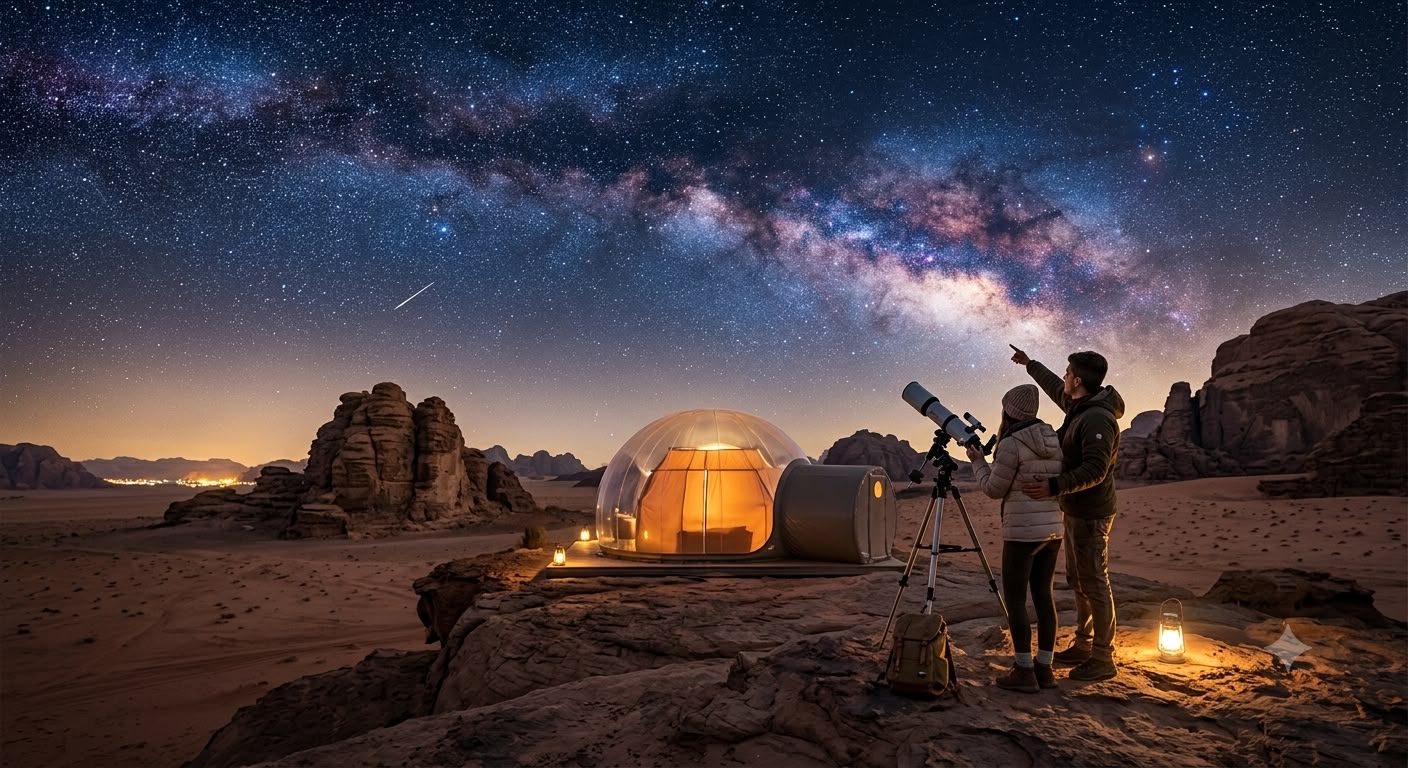
One of the fastest-growing forms of Noctourism is astro-tourism. Travelers are visiting remote deserts, mountain ranges, national parks, and certified Dark Sky Reserves to witness breathtaking views of the Milky Way, meteor showers, lunar eclipses, and countless visible stars free from light pollution.
Museum Lates and Heritage After Dark
Many museums, castles, historical monuments, and cultural heritage sites now extend their opening hours well into the night. Exploring these locations after sunset offers a completely different atmosphere, where carefully designed lighting enhances architectural beauty while creating a calm and immersive cultural experience.
Nocturnal Wildlife Expeditions
Nature lovers are also embracing guided nighttime wildlife tours. Many fascinating animals—including owls, bats, foxes, glowing insects, sea turtles, and numerous nocturnal mammals—are active only after dark. Professional guides help visitors safely observe these species while minimizing disturbance to natural habitats.
Night Markets and Local Food Culture
Night markets have become major attractions in many countries. These vibrant marketplaces offer authentic street food, handcrafted souvenirs, live music, and cultural performances, allowing travelers to experience local traditions in a lively evening atmosphere.
Benefits of Noctourism
Most comfortable exploration
Cooler temperatures make walking, hiking, and sightseeing significantly more enjoyable.
Better Photography Opportunities
Nighttime lighting, illuminated monuments, and dramatic city skylines create stunning opportunities for photographers.
A More Relaxed Travel Experience
Without daytime crowds, visitors can enjoy a slower pace and connect more deeply with their surroundings.
Supporting Sustainable Tourism
Distributing tourist activities between day and night helps reduce overcrowding at popular attractions while easing pressure on local infrastructure.
Planning Your Night Shift
Choose Night-Friendly Destinations
Look for cities and regions known for safe evening tourism, cultural festivals, night markets, or Dark Sky Parks.
Book Guided Night Tours
Professional guides can provide safe access to historical sites, wildlife reserves, astronomy experiences, and cultural attractions after dark.
Pack the Right Essentials
Bring comfortable walking shoes, lightweight clothing, a flashlight or headlamp, insect repellent if necessary, and a camera suitable for low-light photography.
Check Local Opening Hours
Many museums, observatories, gardens, and heritage sites now offer special evening programs. Planning ahead ensures you don’t miss these unique experiences.
The Future of Night Tourism
As travelers increasingly prioritize meaningful experiences over crowded sightseeing, Noctourism is expected to continue growing. Advances in sustainable lighting, eco-friendly tourism practices, astronomy education, and nighttime cultural events will create even more opportunities for visitors to explore destinations after sunset.
Many tourism organizations are investing in safer nighttime infrastructure, improved public transportation, and expanded evening attractions to support this growing demand.
Conclusion
Noctourism represents a refreshing new approach to travel in 2026. Instead of following traditional daytime schedules, travelers are discovering the beauty, tranquility, and unique experiences that emerge after sunset. From stargazing beneath crystal-clear skies and exploring illuminated heritage sites to observing nocturnal wildlife and enjoying vibrant night markets, the world reveals an entirely different personality once darkness falls.
More importantly, this trend encourages slower, more mindful travel while helping visitors avoid extreme heat and overcrowded attractions. As destinations continue adapting to changing climate conditions and evolving traveler preferences, nighttime tourism is becoming more than just a trend—it is shaping the future of global travel.
The next time you plan a journey, consider swapping your early morning itinerary for an evening adventure. You may discover that some of the world’s most unforgettable experiences begin only after the sun goes down.