




Introduction
The world of education is changing faster than ever before. Advances in artificial intelligence, automation, digital technology, and global connectivity are transforming the skills students need to succeed in school, university, and the workplace. Traditional academic knowledge remains important, but employers and educators increasingly value students who can adapt, solve problems, collaborate effectively, and continue learning throughout their lives.
In 2026, success is no longer determined solely by grades or degrees. The most successful students combine technical knowledge with human-centered skills such as creativity, emotional intelligence, communication, and critical thinking. At the same time, digital literacy has become essential in nearly every profession, from healthcare and engineering to business, education, and the arts.
The future belongs to lifelong learners—individuals who are curious, adaptable, and willing to continuously improve their knowledge and abilities. Students who invest in these future-proof skills today will be better prepared for careers that may not even exist yet.
This article explores the most valuable skills every student should develop in 2026, why they matter, and practical ways to strengthen them for long-term academic and professional success.
Why Future Skills Matter
Technology continues to reshape industries at an incredible pace. Artificial intelligence now assists with writing, coding, research, customer service, healthcare, finance, and countless other tasks. While automation replaces many repetitive jobs, it also creates new opportunities for people who possess the right combination of technical expertise and human abilities.
Modern employers increasingly seek candidates who can:
- Solve complex problems
- Learn new technologies quickly
- Think critically
- Work effectively in teams
- Communicate clearly
- Adapt to change
Students who begin developing these abilities early will have a significant advantage in the future job market.
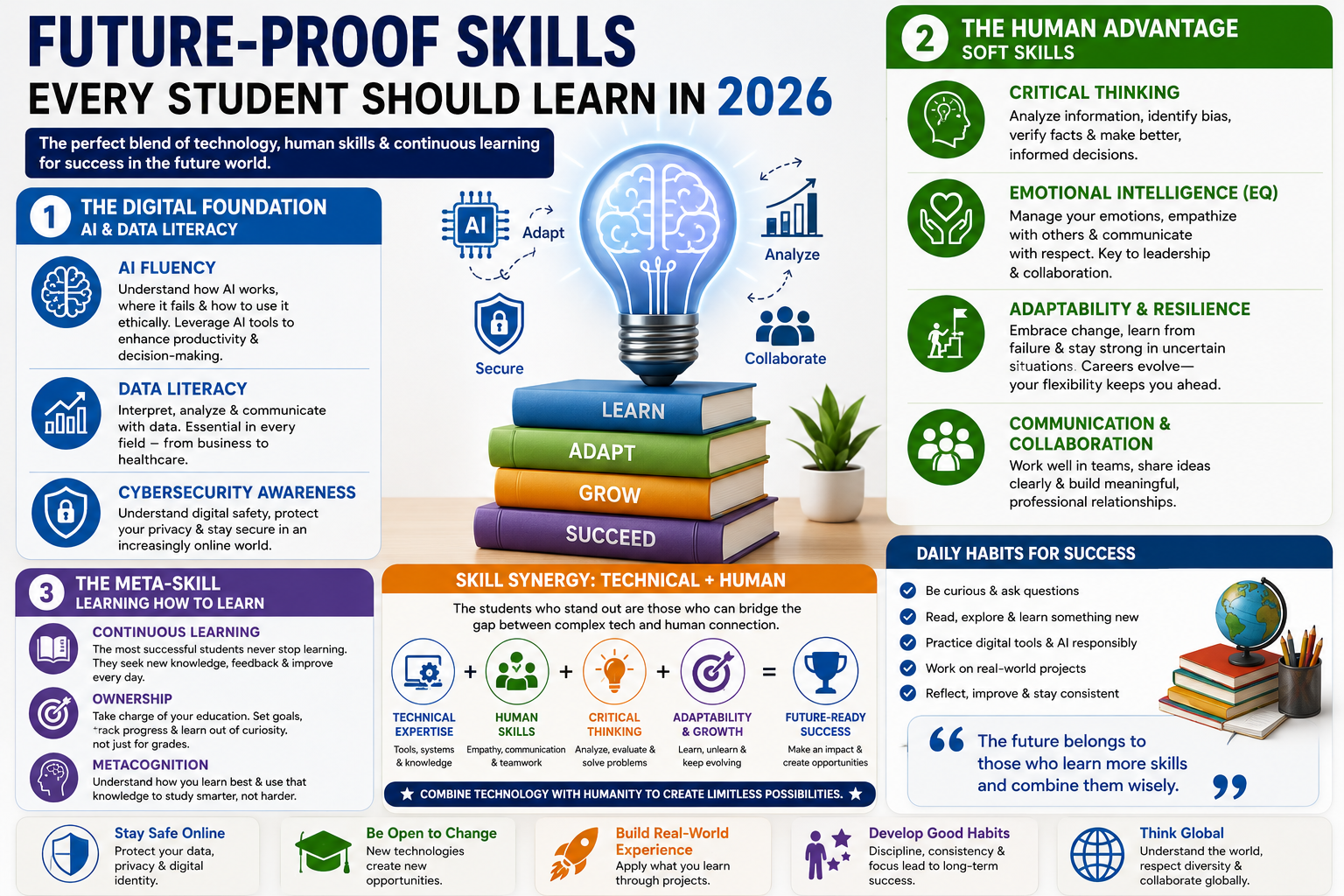
Part 1: The Digital Foundation – AI & Data Literacy
Technology is no longer a separate subject taught only in computer science classes. It has become an essential part of nearly every profession.
Understanding digital tools allows students to work more efficiently, make informed decisions, and remain competitive throughout their careers.
AI Fluency: Understanding Artificial Intelligence
Artificial intelligence has become one of the most influential technologies of the modern world.
However, true AI literacy goes beyond simply asking chatbots questions.
Students should understand:
- What AI can do
- What AI cannot do
- How AI generates information
- Where AI makes mistakes
- Ethical concerns surrounding AI
- Responsible use of AI tools
AI should be viewed as a powerful assistant rather than a replacement for independent thinking.
Learning to collaborate with AI enables students to increase productivity while maintaining originality and critical judgment.
Practical Ways to Build AI Skills
Students can strengthen AI literacy by:
- Exploring different AI platforms
- Learning effective prompt writing
- Fact-checking AI-generated information
- Understanding AI limitations
- Using AI for brainstorming rather than copying
- Studying AI ethics
Developing these habits prepares students for workplaces where AI will become a standard productivity tool.
Data Literacy: Understanding Information
Data has become one of the world’s most valuable resources.
Businesses, hospitals, governments, universities, and scientific organizations all rely on data to make informed decisions.
Students who understand data gain an important advantage regardless of their chosen career.
Data literacy involves:
- Reading charts
- Understanding graphs
- Interpreting statistics
- Identifying trends
- Making evidence-based decisions
- Communicating findings clearly
Whether studying business, medicine, psychology, engineering, or journalism, data literacy has become an essential skill.
Cybersecurity Awareness
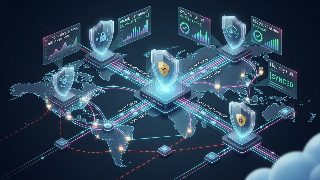
As education becomes increasingly digital, cybersecurity has become everyone’s responsibility.
Students regularly use:
- Online classrooms
- Cloud storage
- Social media
- Educational platforms
- AI tools
- Digital payment systems
Understanding online safety helps protect personal information and prevents cyber threats.
Basic cybersecurity habits include:
- Creating strong passwords
- Using two-factor authentication
- Recognizing phishing scams
- Avoiding suspicious links
- Updating software regularly
- Protecting personal information
Digital safety is now considered a fundamental life skill.
Part 2: The Human Advantage – Soft Skills
While machines excel at repetitive tasks, uniquely human abilities remain impossible to automate completely.
Soft skills allow students to work effectively with others while adapting to changing environments.
Critical Thinking
Information is available everywhere.
The challenge is determining which information is trustworthy.
Critical thinking enables students to:
- Analyze evidence
- Recognize misinformation
- Evaluate arguments
- Solve complex problems
- Make logical decisions
Rather than accepting every claim they encounter online, critical thinkers ask important questions:
- Is this information accurate?
- What evidence supports it?
- Could there be bias?
- Are there alternative perspectives?
Critical thinking remains one of the most valuable academic and professional skills.
Emotional Intelligence (EQ)
Academic success alone does not guarantee career success.
Emotional intelligence often determines how effectively people work with colleagues, clients, teachers, and leaders.
EQ includes:
- Self-awareness
- Emotional regulation
- Empathy
- Active listening
- Conflict resolution
- Respectful communication
Students with strong emotional intelligence build healthier relationships, collaborate more effectively, and become stronger leaders.
Communication Skills
Clear communication remains essential across every profession.
Students should learn to express ideas confidently through:
- Writing
- Speaking
- Presentations
- Online communication
- Team discussions
Good communication involves more than speaking clearly.
It also includes listening carefully, asking thoughtful questions, and adapting messages for different audiences.
Strong communication improves both academic performance and career opportunities.
Adaptability and Resilience
Few careers remain unchanged for an entire lifetime.
Technology, industries, and workplace expectations continue evolving rapidly.
Students who embrace change rather than fear it become more resilient.
Adaptability involves:
- Learning new skills quickly
- Accepting feedback
- Adjusting to new technologies
- Solving unexpected problems
- Remaining calm during uncertainty
Resilience helps students recover from setbacks while maintaining motivation.
Failure should be viewed as an opportunity to improve rather than a reason to quit.
Collaboration and Teamwork
Modern workplaces depend heavily on teamwork.
Students should learn how to:
- Share responsibilities
- Respect different opinions
- Solve disagreements professionally
- Support teammates
- Contribute fairly
Group projects provide valuable opportunities to strengthen these abilities.
Successful collaboration combines communication, empathy, leadership, and accountability.
Creativity and Innovation
Although AI can generate ideas quickly, human creativity remains essential.
Creative thinking allows students to:
- Develop original solutions
- Design new products
- Solve unusual problems
- Think beyond traditional methods
Creativity isn’t limited to artists.
Engineers, scientists, entrepreneurs, teachers, and healthcare professionals all benefit from innovative thinking.
Part 3: The Meta-Skill – Learning How to Learn
Perhaps the most important ability in 2026 is understanding your own learning process.
This concept is known as metacognition.
Students who understand how they learn become more efficient, independent, and successful.
Continuous Learning
Education no longer ends after graduation.
Technology changes so quickly that professionals must regularly update their knowledge.
Successful students develop habits of lifelong learning by:
- Reading regularly
- Taking online courses
- Watching educational videos
- Practicing new skills
- Seeking constructive feedback
- Remaining curious
Continuous learning keeps knowledge relevant throughout an entire career.
Taking Ownership of Education
Modern education encourages students to become active participants rather than passive learners.
Ownership means:
- Setting personal goals
- Tracking progress
- Managing time effectively
- Seeking additional resources
- Learning beyond classroom requirements
Students who take responsibility for their own education often develop stronger motivation and confidence.
Learning should be driven by curiosity, not only examination scores.
Skill Synergy: Combining Technical and Human Skills
The most successful professionals rarely rely on just one skill.
Instead, they combine technical expertise with human-centered abilities.
For example:
A data analyst who communicates clearly becomes more valuable.
A programmer with leadership skills advances faster.
A healthcare professional with empathy builds stronger patient relationships.
A teacher who understands AI creates more engaging lessons.
This combination of technical knowledge and interpersonal skills creates long-term career advantages.
Building Future Skills Every Day
Developing future-ready skills doesn’t require dramatic changes.
Small daily habits create lasting improvement.
Students can:
- Read for 20 minutes daily.
- Learn one new digital tool each month.
- Practice public speaking.
- Complete online certifications.
- Reflect on mistakes and lessons learned.
- Work on collaborative projects.
- Stay informed about emerging technologies.
Consistency matters more than perfection.
Common Mistakes Students Should Avoid
Many students unintentionally limit their future opportunities.
Common mistakes include:
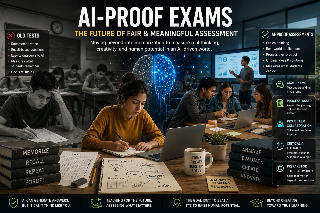
- Depending entirely on AI without critical thinking
- Avoiding teamwork
- Ignoring communication skills
- Fearing failure
- Learning only for exams
- Resisting new technologies
- Neglecting emotional intelligence
Recognizing these habits allows students to improve continuously.
The Future of Education
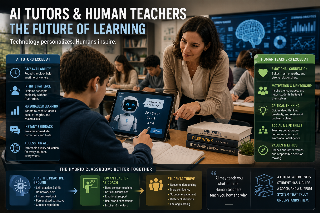
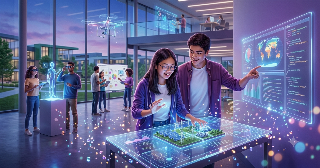
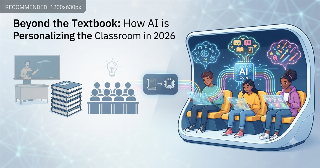
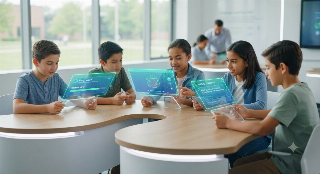
Education in the coming years will become increasingly personalized through artificial intelligence, adaptive learning platforms, and immersive technologies.
Future classrooms may include:
- AI tutors
- Virtual reality lessons
- Personalized learning plans
- Interactive simulations
- Real-time performance feedback
- Global online collaboration
Despite technological advances, human qualities such as empathy, creativity, ethics, and leadership will remain irreplaceable.
Students who balance technological fluency with strong interpersonal skills will be best prepared for the future.
Conclusion
The skills required for success in 2026 extend far beyond traditional academic subjects. While knowledge remains important, the ability to apply that knowledge through critical thinking, effective communication, emotional intelligence, adaptability, and lifelong learning has become equally essential. Students who understand artificial intelligence, interpret data confidently, protect themselves online, and continue developing their abilities will be better equipped for an ever-changing world.
Equally important is the balance between technology and humanity. AI can improve productivity, but it cannot replace curiosity, empathy, creativity, ethical judgment, or meaningful human relationships. The students who thrive in the future will be those who combine technical expertise with strong personal values and a willingness to keep learning throughout their lives.
By investing in these future-proof skills today, students are not simply preparing for their next exam—they are building the foundation for lifelong success, meaningful careers, and the ability to adapt confidently to whatever opportunities the future brings.