





The AI Boom Could Trigger the Worst Memory Chip Shortage in History by 2027
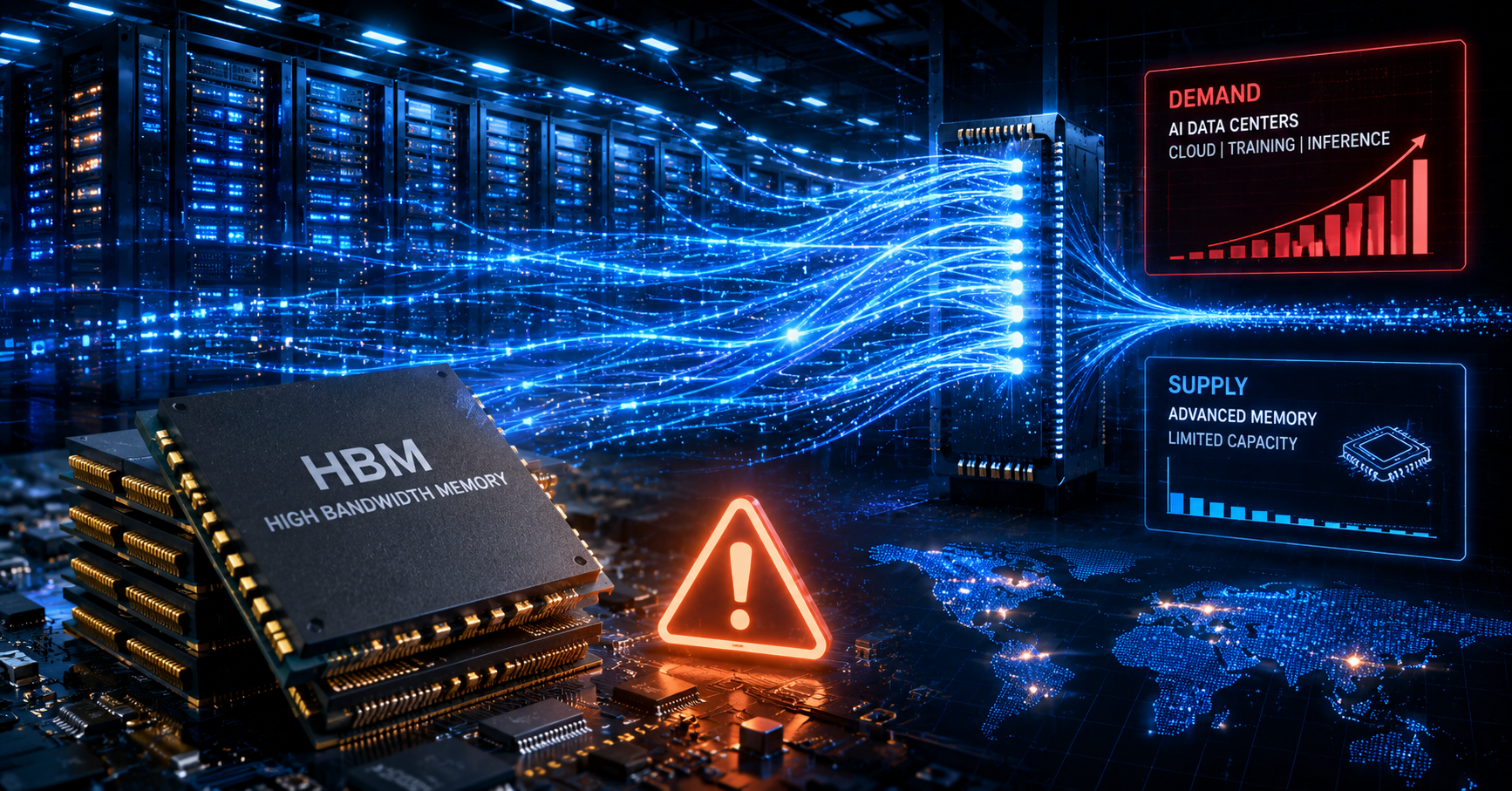
The global AI race is consuming enormous amounts of advanced memory, and a major chip executive now warns that the industry's worst supply shortage could arrive in 2027.
News
Discover what to watch next.
Movies, series, and anime with guides, lists, and comparisons.
Discover MoviesExpert reviews you can trust.
In-depth, independent reviews for phones, cars, and recipes — so you buy and cook with confidence.
Discover PhonesDevices & Vehicles
Free tools that save time.
PDF, image, text, SEO, and developer utilities — fast and free to use.
Search ToolsCategories
AI that helps you move faster.
Chat, search, and automation built around FindEdition content.
Explore AI NewsAsk, share, and learn together.
Questions, discussions, and creator spaces powered by real people.
Ask a QuestionCommunity
Legal
Partners
Build with FindEdition.
API portal, documentation, and technical resources for developers.
Read DocumentationCompany
About Contact Careers Press SupportLegal
Privacy Terms Editorial Policy Cookies DMCAPartners
Documentation API PortalPlatform
API Portal ResearchQuick Links
Search Tools Support AI AssistantPolicies
API Terms Privacy Partner Inquiry15 results for “supply chain” 151.8 ms
The global AI race is consuming enormous amounts of advanced memory, and a major chip executive now warns that the industry's worst supply shortage could arrive in 2027.
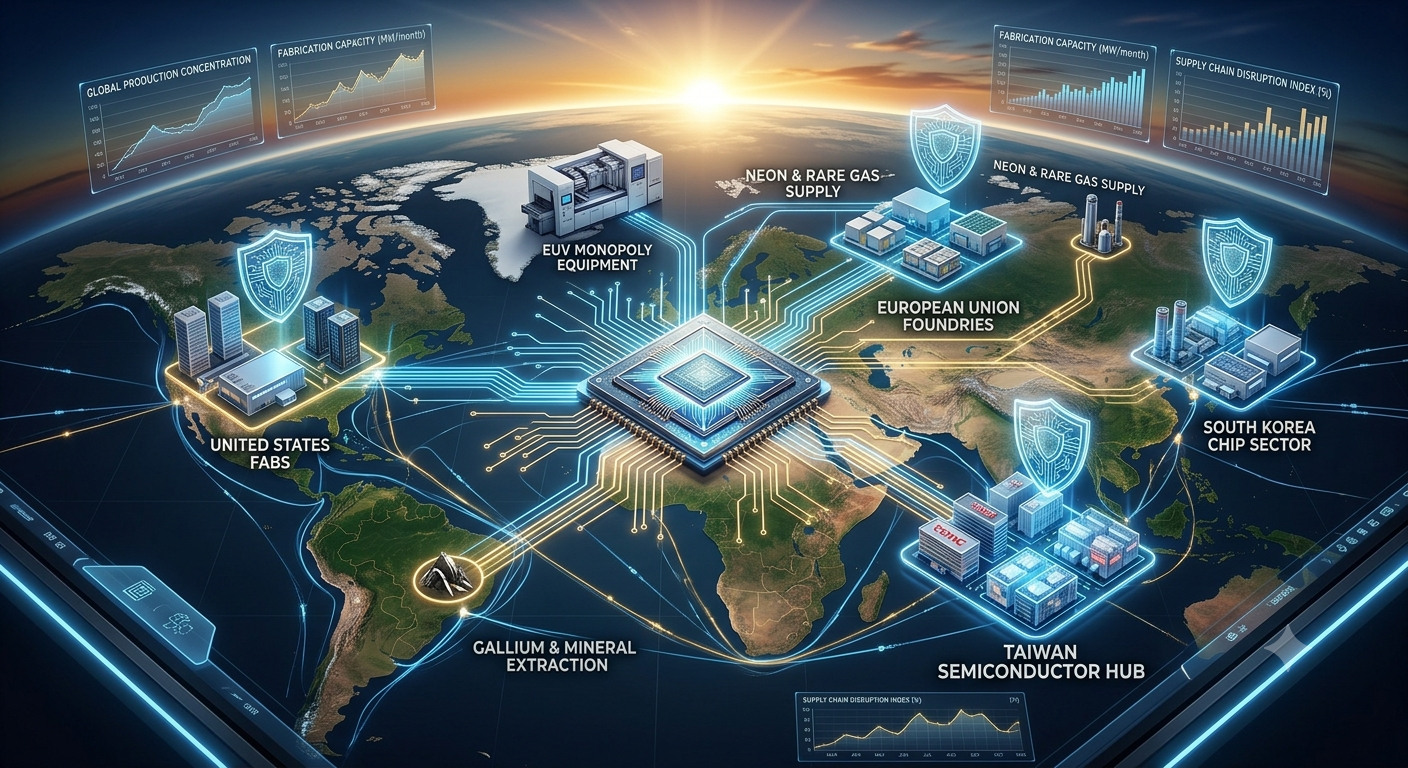
As global industries face highly concentrated supply chains, nation-states are spending hundreds of billions to secure domestic microchip manufacturing and vital raw material pipelines.
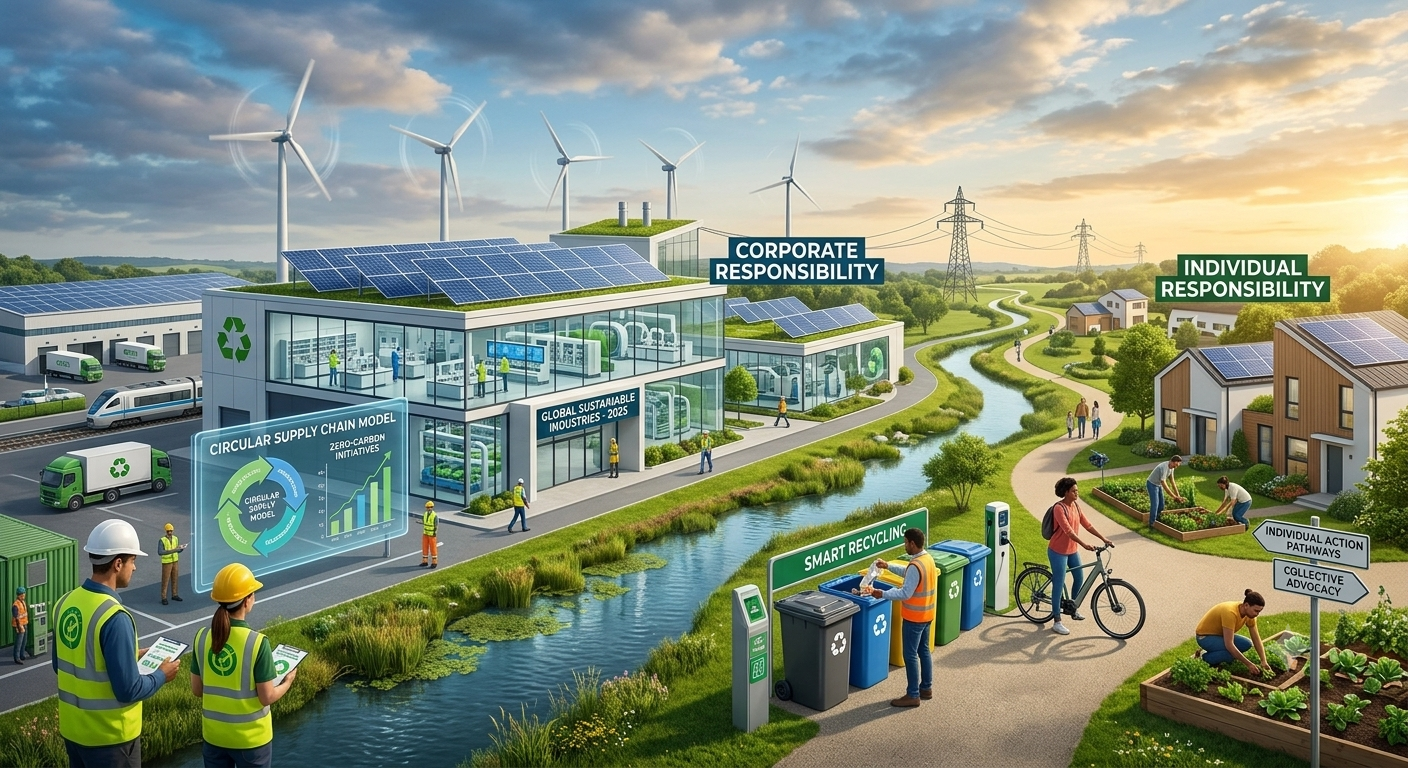
As global carbon targets tighten, a critical shift is occurring in environmental policy, moving the primary burden of climate action away from individual choices and squarely onto corporate infrastructure and systemic supply chains.
As the fashion industry pivots away from fast-paced, high-waste models, 2026 emerges as a landmark year for sustainable innovation. From bio-fabricated materials to the rise of "investment dressing," discover the trends reshaping how we build our wardrobes.
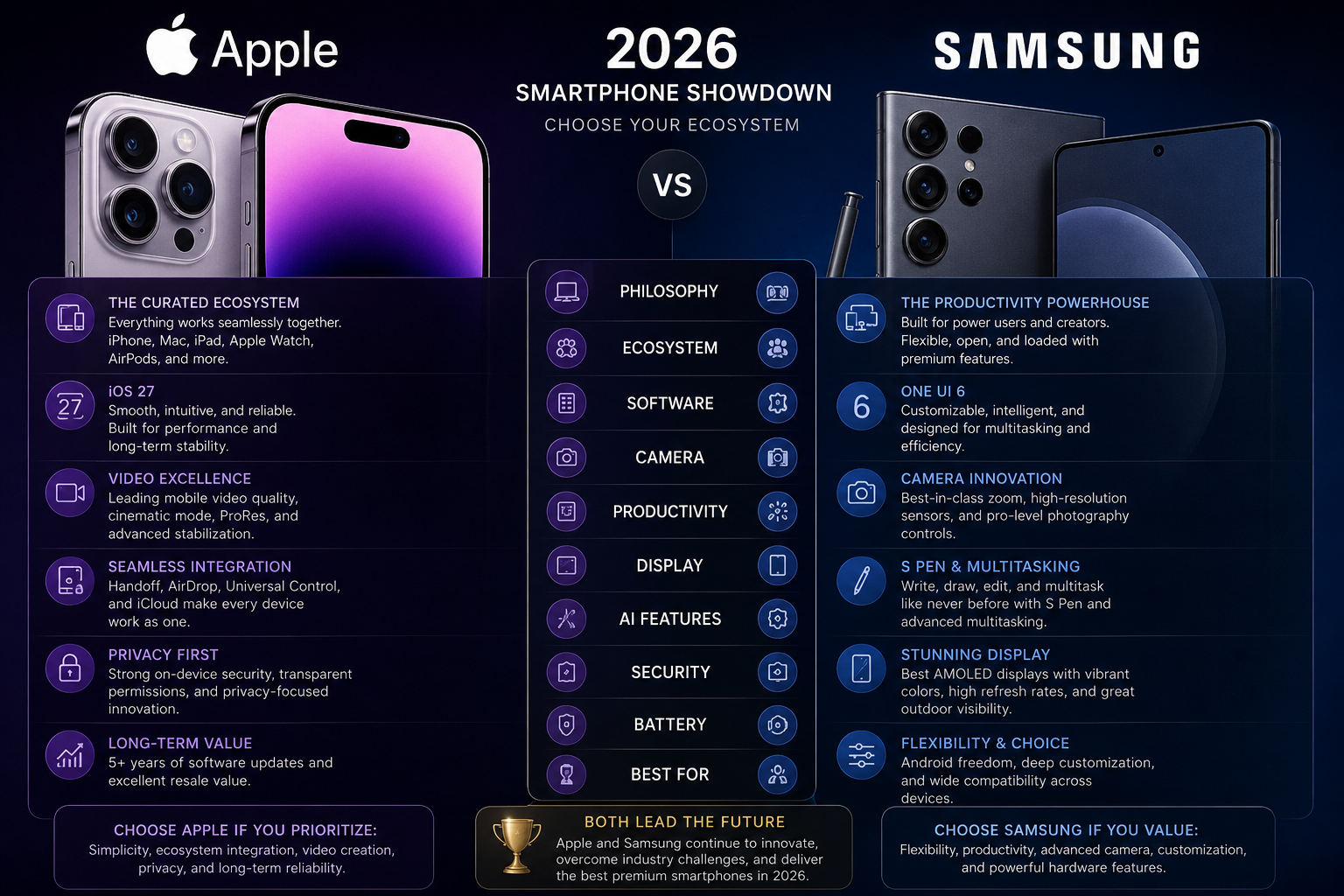
In the high-stakes mobile market of 2026, the battle between Apple and Samsung has reached a new level of sophistication. With both giants capturing a combined dominance in the premium segment, the choice between them is no longer about raw specifications, but about which ecosystem philosophy best aligns with your daily life.
Tensions in the Middle East reach a critical point as the United States conducts widespread air strikes on military targets in several major Iranian cities following escalating attacks in the Strait of Hormuz.
A massive overnight swarm attack by Ukraine's newly formed Unmanned Systems Forces disables or damages 20 Russian vessels, crippling maritime shipping routes in the Black Sea and Sea of Azov.
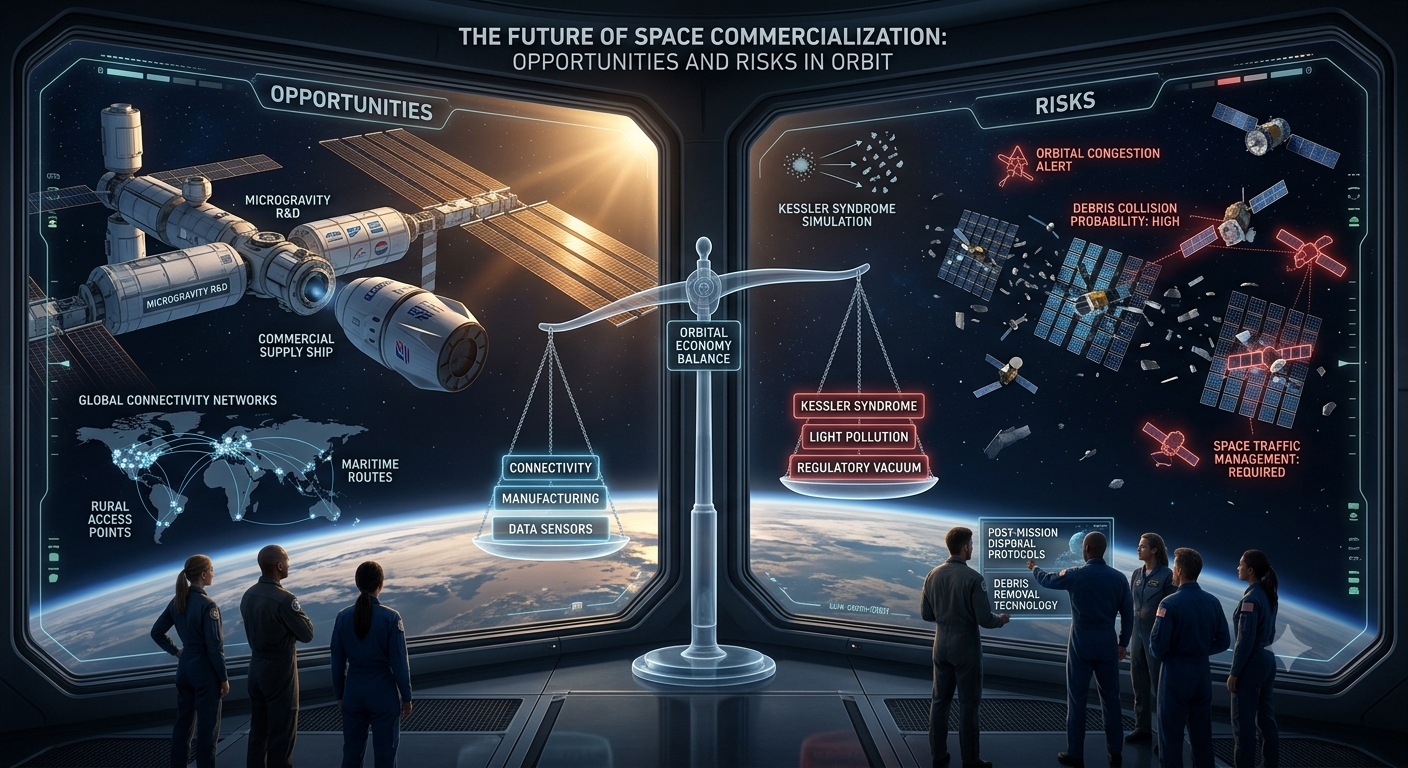
As private aerospace firms lower launch costs and deploy massive satellite constellations, low Earth orbit is transforming from a scientific frontier into a crowded commercial battleground.
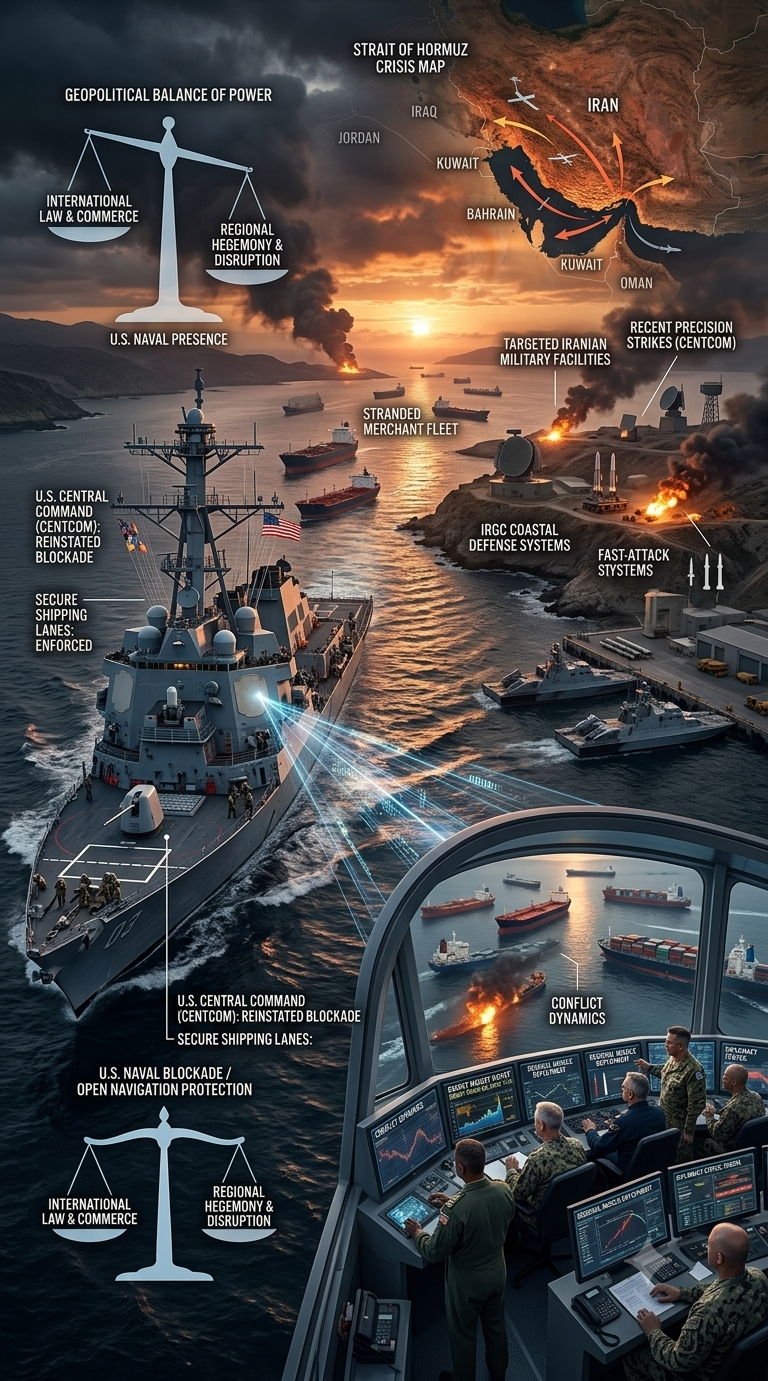
Following heavy drone and missile exchanges and a contested maritime standoff over international shipping lanes, the U.S. and Iran have engaged in their fiercest direct military hostilities since the collapse of their recent ceasefire.
By programming microscopic organisms to brew everything from durable building insulation to carbon-negative textiles, industrial biomanufacturing is decoupling factory production from fossil fuels.
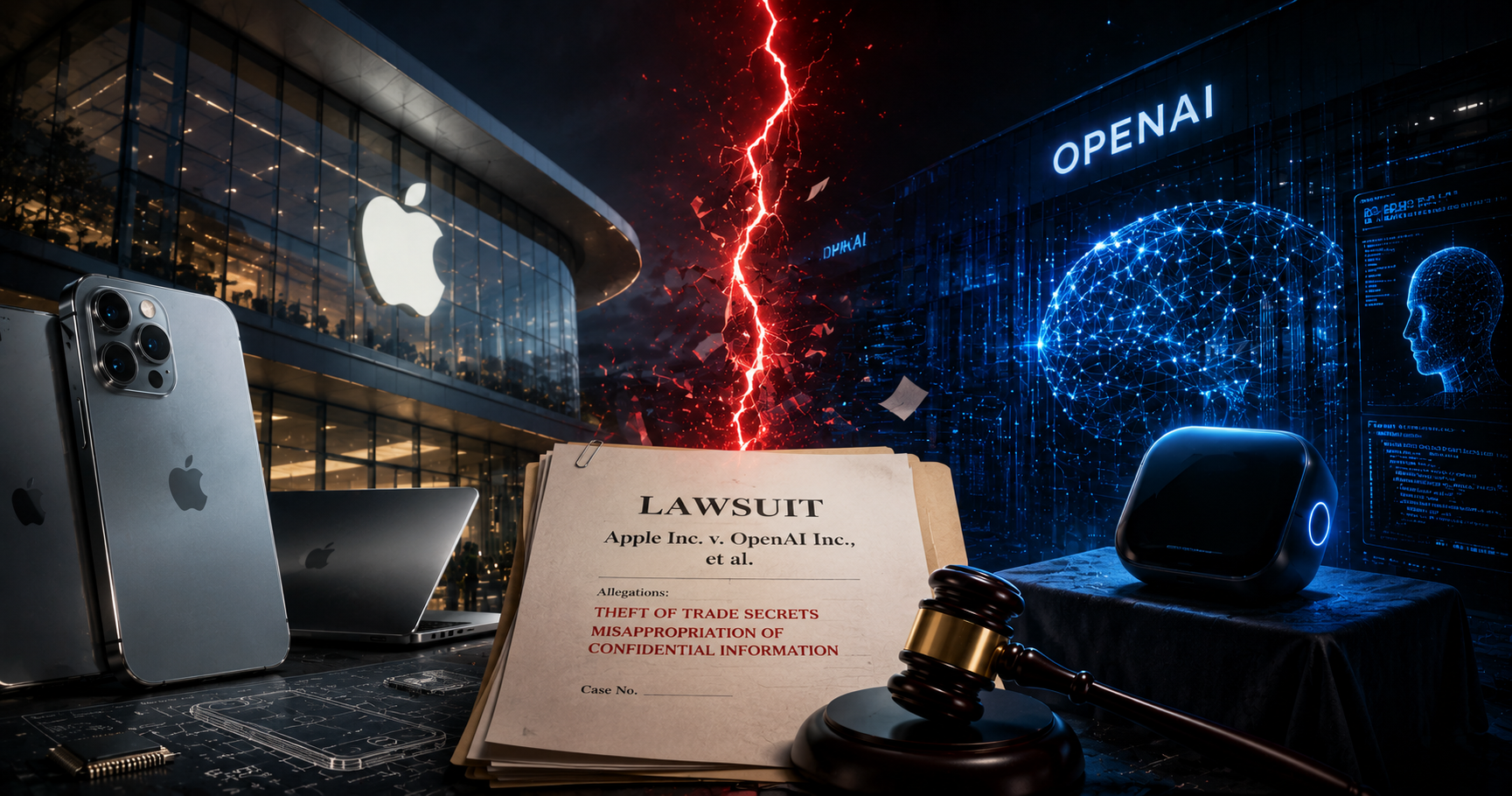
Apple has taken OpenAI to court over explosive allegations involving former employees, confidential hardware information and OpenAI's mysterious push into AI devices.
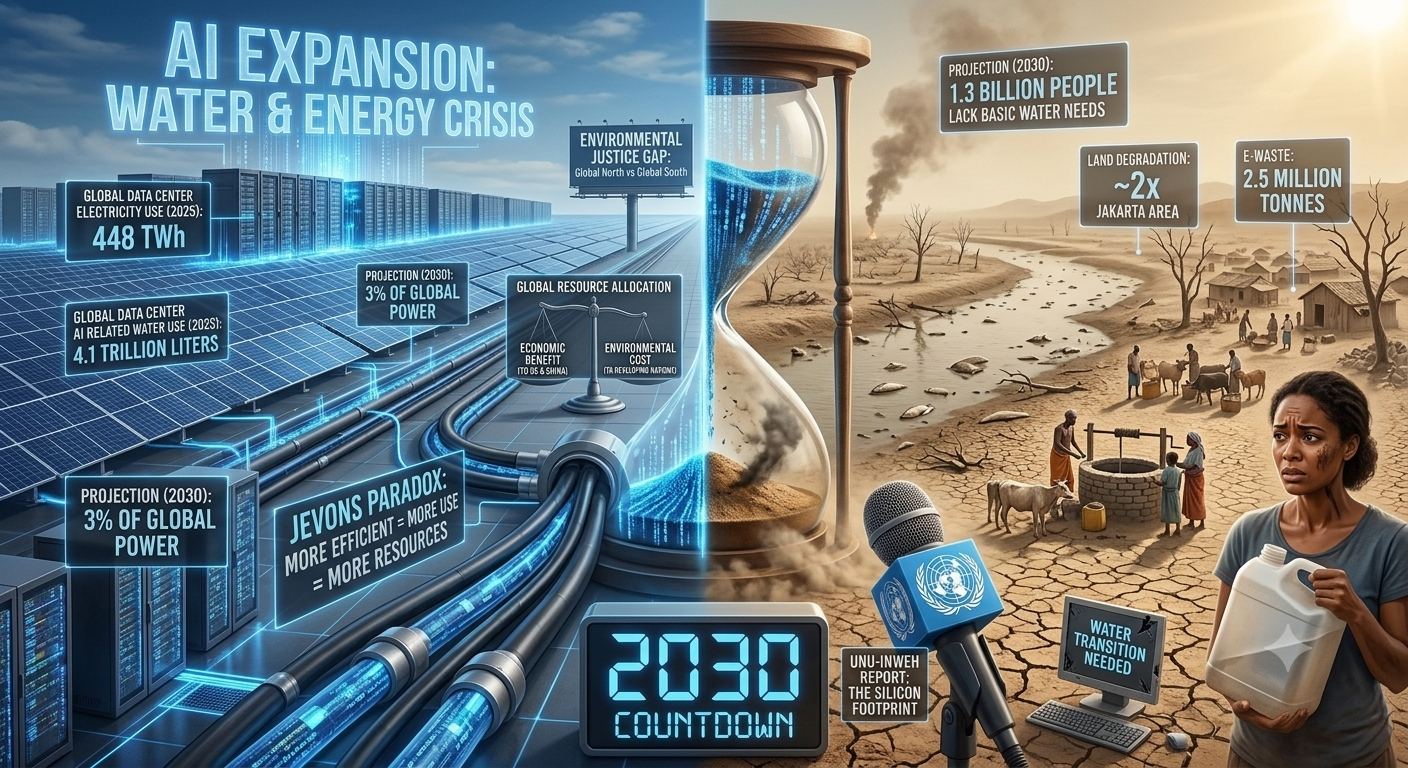
A landmark United Nations University report warns that the breakneck expansion of generative AI is placing an unprecedented strain on global electricity and water grids, with resource demands projected to skyrocket by 2030.
As global regulations tighten, organizations are moving past simple AI experimentation. Discover the essential frameworks needed to shift toward mandatory compliance, strict data oversight, and human-in-the-loop accountability.
The global economy is moving at two distinct speeds, caught between the disruptive weight of commodity shocks and the accelerating force of the artificial intelligence boom.
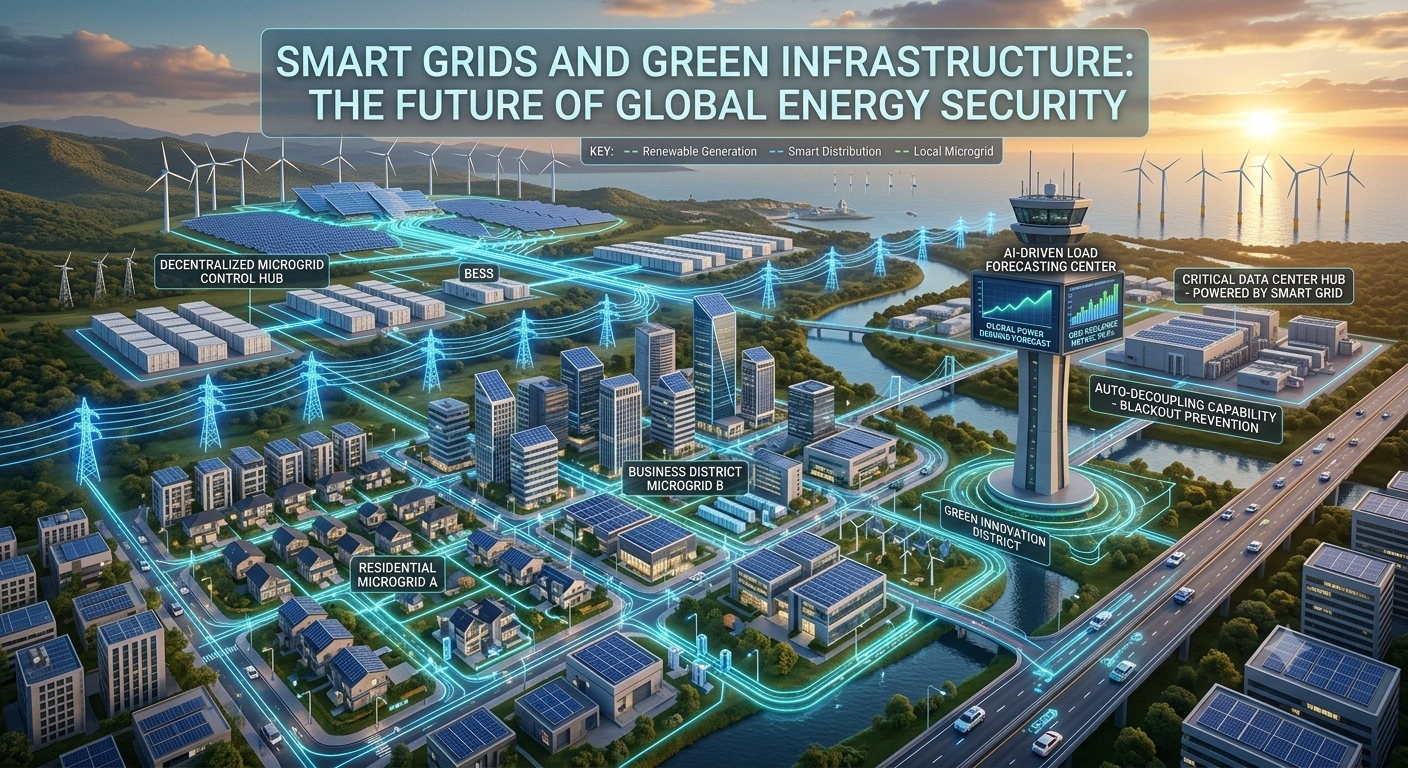
As extreme weather and skyrocketing demand from digital industries strain aging infrastructure, nations are racing to rebuild their electrical systems using localized smart grids and green energy tech.
FindEdition uses first-party advertising and optional analytics. Personalized ads and external networks require your consent where applicable. See our Privacy Policy and Advertising Policies.