





Introduction
For decades, the mainstream hair care industry focused on providing quick cosmetic solutions rather than addressing the root causes of hair damage. Traditional shampoos often relied on harsh cleansing agents that effectively removed dirt and excess oil but also stripped away the scalp’s natural protective barrier. Similarly, many conditioners contained heavy silicones that coated damaged strands, creating the temporary illusion of softness and shine without repairing the internal structure of the hair. While these products improved appearance for a short time, the results disappeared after washing, leaving the underlying damage untouched. Continuous exposure to heat styling, chemical treatments, pollution, and environmental stress further weakened hair over time, making breakage, dryness, and dullness increasingly common.
Today, however, the beauty industry is experiencing a revolutionary transformation. Consumers are moving away from surface-level cosmetic fixes and embracing a science-driven philosophy known as The Skinification of Hair. Inspired by the remarkable success of skincare, this trend treats the scalp as an extension of facial skin rather than simply the place where hair grows. Since the scalp is living tissue containing hair follicles, oil glands, and a complex microbiome, it requires specialized care similar to that given to facial skin.
Instead of masking visible damage, modern hair care focuses on improving scalp health, repairing hair fibers at the molecular level, and preventing future damage before it occurs. Scientific innovations such as peptide technology, microbiome research, targeted scalp serums, and personalized treatments are transforming the way people approach hair care. Consumers are becoming increasingly educated about ingredient lists, product formulations, and clinical research, creating demand for solutions that deliver long-term results instead of temporary cosmetic improvements.
The Skinification of Hair represents more than just another beauty trend. It is a complete shift in philosophy that combines biotechnology, dermatology, and cosmetic science to promote healthier, stronger, and more resilient hair from the inside out
Understanding the Science Behind Hair Health
Healthy hair begins long before strands become visible above the scalp. Each strand grows from a hair follicle located beneath the skin, where living cells continuously divide to produce keratin proteins. As new cells push upward, they harden into the hair shaft that we see. Although the visible portion of hair is technically dead tissue, its condition depends heavily on the health of the scalp and hair follicle.
Hair consists of three primary layers: the cuticle, cortex, and medulla. The cuticle forms the protective outer layer, while the cortex provides strength, elasticity, and natural color through tightly packed keratin proteins. Damage to the cortex weakens the entire hair fiber, resulting in split ends, brittleness, and loss of shine.
Modern scientific research has shown that healthy hair requires much more than moisturizing conditioners. Maintaining protein balance, preserving the scalp barrier, supporting healthy follicles, and protecting the hair’s internal structure are all essential for long-term hair health.
The Rise of Molecular Biomimetic Bonding
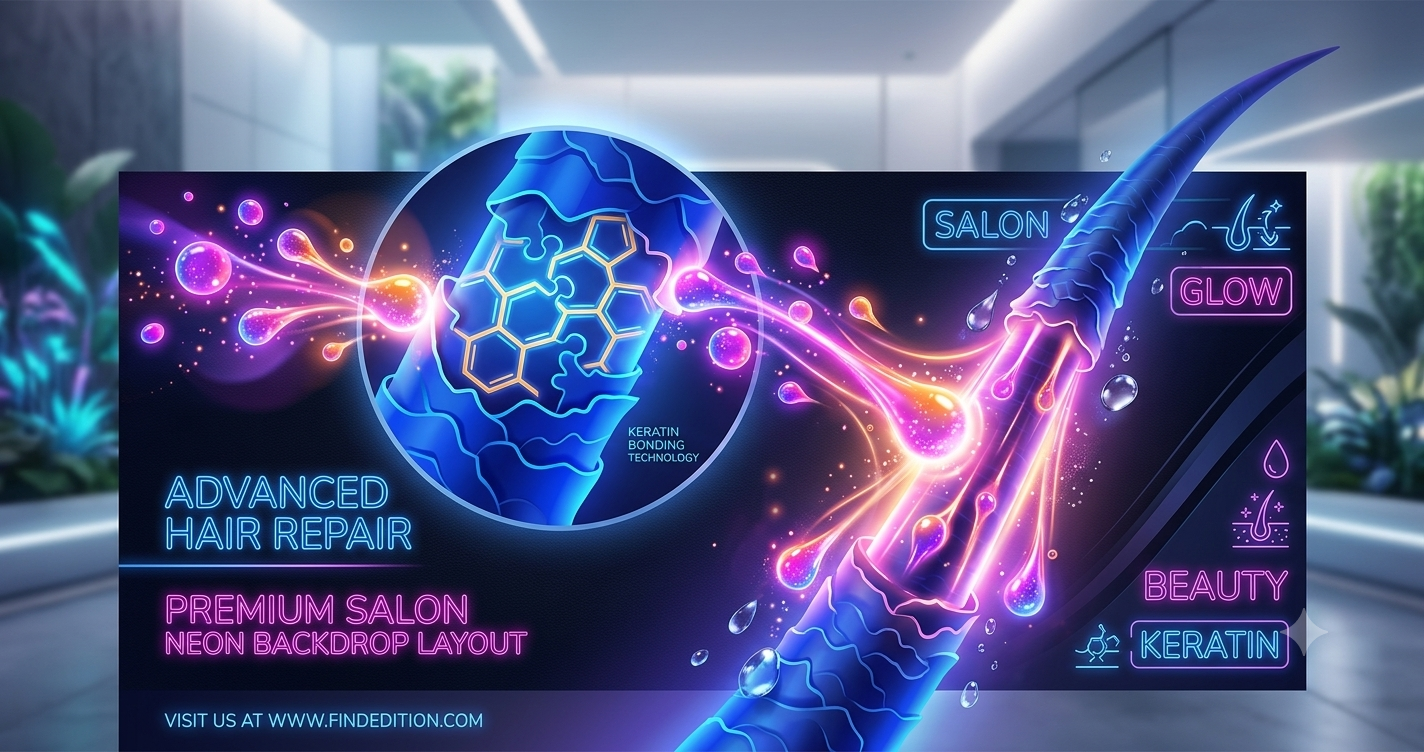
One of the most exciting developments in advanced hair care is Molecular Biomimetic Bonding. Scientists have discovered that healthy hair depends on millions of microscopic disulfide bonds that connect keratin proteins within the cortex. These bonds give hair its strength, flexibility, and resilience.
Unfortunately, bleaching, coloring, heat styling, UV radiation, pollution, chlorine, and daily mechanical stress gradually weaken or break these important connections. Once damaged, hair becomes more vulnerable to breakage, dryness, tangling, and frizz.
Traditional conditioners and hair masks temporarily improve appearance by coating the outside of the hair strand with silicones or oils. Although this creates smoothness and shine, the protective layer washes away after several shampoos.
Biomimetic peptide technology works differently. Instead of sitting on the surface, specially engineered peptide molecules are designed to closely resemble natural hair proteins. These microscopic peptides penetrate into the cortex, where they reinforce weakened areas and improve structural integrity.
Modern bond-building treatments help restore strength, increase elasticity, improve moisture retention, and reduce breakage. Many professional salon services now include peptide technology to minimize chemical damage during coloring and bleaching while maintaining healthier hair over time
How Peptide Technology Repairs Hair
Peptides are short chains of amino acids that act as building blocks for proteins. In hair care, scientists engineer specific peptide sequences that closely imitate the natural keratin found within healthy hair fibers.
These advanced ingredients travel through tiny openings in the cuticle and reach damaged areas inside the cortex. Once there, they strengthen weakened protein structures and help improve the hair’s resistance to future stress.
Unlike traditional cosmetic treatments that provide temporary improvements, peptide technology focuses on long-term structural support. Hair becomes stronger, smoother, shinier, and easier to manage after consistent use.
Why the Scalp Matters More Than Ever
The Skinification of Hair has shifted attention toward the scalp because healthy hair begins with healthy skin. The scalp contains thousands of hair follicles, sebaceous glands, blood vessels, and beneficial microorganisms that work together to support hair growth.
If the scalp becomes inflamed, excessively oily, dry, or irritated, hair quality often declines. Problems such as dandruff, itching, excessive shedding, and slow hair growth frequently originate from poor scalp health rather than the hair itself.
Modern dermatology now treats the scalp with many of the same principles used in skincare, including cleansing, exfoliation, hydration, barrier repair, and microbiome protection.
Prioritizing the Scalp Microbiome
Every healthy scalp contains a delicate ecosystem of bacteria, fungi, and other microorganisms known as the scalp microbiome. These microorganisms help regulate oil production, strengthen the skin barrier, defend against harmful bacteria, and maintain healthy follicles.
When the microbiome becomes unbalanced because of harsh shampoos, pollution, stress, excessive washing, or product buildup, scalp problems often develop. This imbalance may contribute to dandruff, irritation, redness, sensitivity, excessive oiliness, or dryness.
Beauty laboratories now recommend customized scalp-care routines based on individual scalp conditions instead of using identical products for everyone.
The Importance of Scalp Exfoliation
Just as facial skin benefits from regular exfoliation, the scalp also requires periodic removal of dead skin cells and product buildup.
Salicylic Acid penetrates oily buildup inside follicles, helping remove excess sebum while reducing congestion.
Glycolic Acid gently dissolves dead skin cells from the scalp surface, improving skin renewal without damaging the protective barrier.
Regular exfoliation creates a cleaner, healthier environment where hair follicles can function more efficiently.
Hydration and Barrier Repair
Hydration plays a crucial role in scalp health.
Hyaluronic Acid attracts water molecules and keeps the scalp moisturized without making it greasy.
Niacinamide strengthens the scalp barrier, reduces inflammation, regulates oil production, and improves overall scalp comfort.
Together, these ingredients create ideal conditions for healthy hair growth while reducing irritation and dryness
Personalized Hair Care Is the Future
No two individuals have identical hair or scalp conditions. Genetics, hormones, lifestyle, diet, climate, and styling habits all influence hair health.
Modern brands increasingly use scalp analysis, AI-powered diagnostics, and personalized treatment recommendations to develop customized routines rather than offering one-size-fits-all solutions.
Personalization ensures that each consumer receives products specifically formulated for their unique hair concerns.
Sustainable Clean Chemistry
Another defining feature of the Skinification of Hair movement is its commitment to sustainable clean chemistry.
Consumers now carefully examine ingredient labels before purchasing products. Many prefer sulfate-free cleansers, silicone-free conditioners, naturally derived proteins, bio-fermented ingredients, and biodegradable surfactants that deliver professional results without unnecessary harsh chemicals.
Sustainability also includes recyclable packaging, refillable containers, ethically sourced botanical ingredients, cruelty-free testing, and environmentally responsible manufacturing.
Modern cosmetic science proves that effective formulations can also be environmentally friendly.
Benefits of the Skinification of Hair
This science-based approach offers numerous long-term advantages:
- Stronger hair with reduced breakage.
- Improved elasticity and flexibility.
- Better moisture retention.
- Healthier scalp microbiome.
- Reduced irritation and dandruff.
- Enhanced shine and smoothness.
- Greater protection against heat and chemical damage.
- More personalized hair-care routines.
- Cleaner ingredients with improved sustainability.
The Future of Hair Care
Researchers continue developing innovative ingredients that improve hair health at the molecular level. Advances in biotechnology, peptide engineering, microbiome science, stem cell research, and artificial intelligence are expected to make future hair care even more personalized and effective.
Instead of waiting until visible damage occurs, future products will focus on preventing problems before they develop, creating healthier hair throughout every stage of life.
Conclusion
The Skinification of Hair represents one of the biggest innovations in modern beauty. By combining skincare principles with advanced cosmetic science, it shifts the focus from temporary cosmetic improvements to long-term hair health. Through molecular bond repair, scalp microbiome care, personalized treatments, and sustainable clean chemistry, consumers can build stronger, shinier, and healthier hair from the inside out.
Rather than simply treating damaged strands, this movement recognizes that beautiful hair begins with a healthy scalp and scientifically proven ingredients. As research continues to evolve, the future of hair care will become increasingly intelligent, personalized, and sustainable, allowing people to achieve lasting results without compromising either their health or the environment.