

Introduction
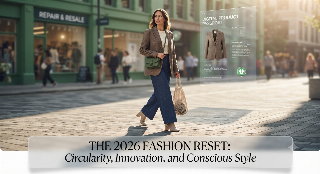
Fashion trends come and go, but some movements redefine the way people think about clothing altogether. In 2026, one of the most influential style movements is Quiet Luxury—a fashion philosophy that values quality over quantity, timeless design over short-lived trends, and confidence over flashy logos. Unlike the bold branding that dominated previous years, Quiet Luxury focuses on understated elegance, exceptional craftsmanship, and clothing that feels as good as it looks.
The popularity of this trend reflects a broader cultural shift. Consumers are becoming more conscious about how their clothing is made, how long it lasts, and whether it truly reflects their personal style. Instead of filling wardrobes with dozens of inexpensive items that quickly go out of fashion, people are investing in versatile, well-made pieces that remain stylish for years.
Quiet Luxury is no longer reserved for celebrities or high-end fashion houses. With smart shopping, careful styling, and an understanding of timeless fashion principles, anyone can embrace this sophisticated aesthetic without spending a fortune. The movement also aligns closely with sustainability, encouraging thoughtful purchasing and reducing waste caused by fast fashion.
In this article, we’ll explore what Quiet Luxury really means in 2026, how the trend has evolved, the key wardrobe essentials, styling tips, and practical ways to achieve this refined look on any budget.
What Is Quiet Luxury?
Quiet Luxury is a fashion philosophy centered on subtle sophistication rather than obvious displays of wealth. It emphasizes timeless clothing, premium materials, excellent tailoring, and minimalist design over oversized logos and rapidly changing trends.
Rather than trying to attract attention through flashy branding, Quiet Luxury allows the quality of the clothing to speak for itself.
A perfectly tailored blazer, a crisp white shirt, genuine leather shoes, or a beautifully crafted wool coat often create a stronger impression than garments covered in designer logos.
The focus is simple:
- Quality over quantity
- Timeless over trendy
- Confidence over attention
- Craftsmanship over branding
This approach creates a wardrobe that remains stylish regardless of seasonal fashion cycles.
Why Quiet Luxury Is Trending in 2026
Several factors have contributed to the growing popularity of Quiet Luxury.
Consumers are becoming increasingly aware of:
- Environmental sustainability
- Clothing quality
- Cost per wear
- Ethical manufacturing
- Personal style over trends
Social media has also influenced the movement.
After years of highly edited fashion content focused on expensive luxury brands, many people are now embracing authenticity and understated elegance.
Rather than dressing to impress strangers online, consumers are choosing clothing that makes them feel comfortable, confident, and effortlessly stylish.
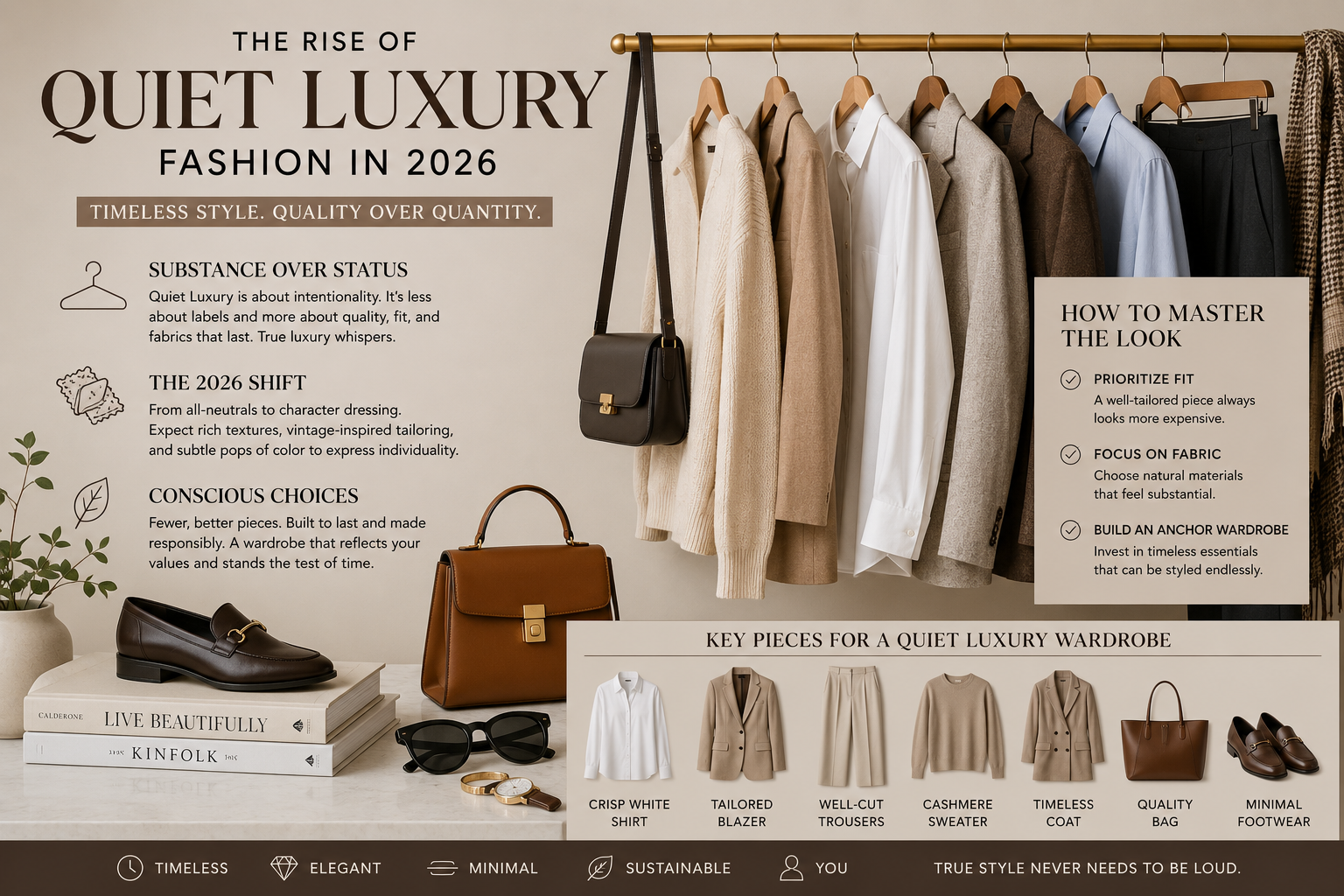
The Core Philosophy: Substance Over Status
At its heart, Quiet Luxury is about intentional living.
Every piece in your wardrobe should have a purpose.
Instead of buying clothes simply because they’re trendy, thoughtful shoppers ask questions like:
- Will I wear this often?
- Does it match my existing wardrobe?
- Is it well made?
- Will it still look stylish in five years?
This mindset reduces unnecessary spending while creating a wardrobe filled with versatile, high-quality clothing.
Fashion becomes an investment rather than an impulse purchase.
The Invisible Standard of Luxury
One of the defining features of Quiet Luxury is its subtlety.
Luxury is no longer measured by visible logos.
Instead, people recognize quality through details such as:
- Perfect tailoring
- Premium stitching
- Beautiful fabric texture
- Elegant silhouettes
- Comfortable fit
- Thoughtful construction
Natural materials like cashmere, silk, wool, cotton, and heavy linen instantly elevate an outfit because they drape beautifully and often improve with age.
These small details create an appearance of effortless sophistication.
Building a Conscious Wardrobe
Quiet Luxury strongly supports sustainable fashion.
Rather than constantly replacing inexpensive clothing, consumers purchase fewer, higher-quality garments that last much longer.
Benefits include:
- Less waste
- Better value
- Lower environmental impact
- More consistent personal style
- Reduced impulse shopping
A carefully planned wardrobe often contains fewer items but offers significantly more outfit combinations.
This approach saves both money and closet space over time.
The 2026 Evolution: From Neutral Uniforms to Personal Expression
Earlier versions of Quiet Luxury often featured entirely neutral wardrobes dominated by beige, cream, white, grey, and black.
While these colors remain popular, 2026 introduces greater personality.
Fashion is becoming more expressive without sacrificing elegance.
Minimalism remains the foundation, but individuality now plays a larger role.
Character Dressing Is the New Luxury
One of the biggest fashion trends this year is Character Dressing.
Instead of copying identical outfits seen online, people are creating wardrobes that reflect their own personalities.
This doesn’t mean wearing loud prints or exaggerated designs.
Instead, personal touches are introduced through:
- Vintage-inspired tailoring
- Unique accessories
- Rich textures
- Unexpected color combinations
- Handmade details
Character Dressing celebrates authenticity while maintaining the timeless principles of Quiet Luxury.
Rich Colors Replace Plain Neutrals
Although neutral tones remain essential, deeper colors have become increasingly popular.
Trending combinations include:
- Chocolate Brown with Baby Blue
- Olive Green with Cream
- Burgundy with Camel
- Navy with White
- Forest Green with Beige
- Charcoal Grey with Soft Blue
These combinations create visual interest while maintaining elegance.
The Importance of Texture
Fashion in 2026 appeals not only to the eye but also to the sense of touch.
Texture has become a defining element of premium style.
Popular materials include:
- Heavy linen
- Brushed cotton
- Cashmere
- Wool
- Raw denim
- Crushed velvet
- Genuine leather
- Suede
Mixing different textures adds depth without overwhelming the outfit.
For example:
A linen blazer paired with raw denim creates effortless sophistication.
How to Master the Quiet Luxury Aesthetic
Achieving this look doesn’t require designer labels.
Instead, focus on timeless styling principles.
Prioritize Fit Above Everything
Fit remains the single most important element of expensive-looking fashion.
Even affordable clothing appears luxurious when tailored properly.
Simple alterations such as:
- Adjusting sleeve length
- Hemming trousers
- Taking in jackets
- Shortening dresses
can dramatically improve appearance.
Tailoring often provides greater value than purchasing expensive designer pieces.
Choose Better Fabrics
Fabric quality directly affects how clothing looks and feels.
Natural fibers generally outperform synthetic alternatives.
Look for:
- Cotton
- Linen
- Silk
- Wool
- Cashmere
- Leather
These materials breathe better, last longer, and develop beautiful character over time.
Avoid fabrics that feel overly thin or shiny if your goal is timeless elegance
Build an Anchor Wardrobe
Every Quiet Luxury wardrobe begins with timeless essentials.
These pieces work together to create countless outfit combinations.
Essential items include:
- Crisp white button-down shirt
- Structured blazer
- Well-fitted trousers
- Straight-leg jeans
- Cashmere sweater
- Classic trench coat
- White sneakers
- Leather loafers
- Minimal handbag
- Black dress
- Neutral knitwear
These staples remain fashionable regardless of changing trends.
Invest Slowly
Building a timeless wardrobe takes time.
There’s no need to replace everything at once.
Instead:
- Buy fewer pieces.
- Choose better quality.
- Replace worn items gradually.
- Focus on versatility.
Over several years, your wardrobe naturally becomes more refined.
Accessories Complete the Look
Quiet Luxury accessories remain understated.
Popular choices include:
- Leather belts
- Minimal watches
- Pearl earrings
- Gold hoops
- Structured handbags
- Silk scarves
- Classic sunglasses
Accessories should complement the outfit rather than dominate it.
Common Mistakes to Avoid
Many people misunderstand Quiet Luxury.
Avoid these common mistakes:
- Buying expensive clothes with oversized logos.
- Choosing trends over quality.
- Ignoring tailoring.
- Purchasing uncomfortable clothing.
- Filling wardrobes with unnecessary duplicates.
- Mixing too many statement pieces.
The goal is effortless sophistication rather than obvious luxury.
Quiet Luxury on a Budget
One of the biggest myths is that Quiet Luxury requires unlimited money.
In reality, smart shopping makes this style accessible.
Tips include:
- Shop during seasonal sales.
- Explore quality thrift stores.
- Invest in timeless basics.
- Repair clothing instead of replacing it.
- Choose versatile neutral colors.
- Prioritize tailoring.
Even affordable clothing can appear expensive with proper styling.
Why Quiet Luxury Supports Sustainability
Fast fashion encourages constant consumption.
Quiet Luxury promotes mindful purchasing.
Benefits include:
- Less textile waste
- Higher-quality manufacturing
- Longer clothing lifespan
- Reduced environmental impact
- Better cost per wear
This philosophy supports both personal style and responsible consumption.
The Future of Quiet Luxury
Fashion experts believe Quiet Luxury will continue evolving rather than disappearing.
Future trends may include:
- Sustainable luxury materials
- Digital wardrobe planning
- AI-powered personal styling
- Circular fashion
- Ethical production
- Custom tailoring
- Smart fabrics
Technology may change how clothing is produced, but timeless style will always remain relevant.
Conclusion
Quiet Luxury has become one of the defining fashion movements of 2026 because it offers an alternative to fast-changing trends and excessive branding. Instead of chasing attention, it celebrates timeless design, premium craftsmanship, thoughtful styling, and confidence that comes from wearing clothes that truly fit your lifestyle. By focusing on quality fabrics, excellent tailoring, versatile wardrobe essentials, and personal expression, this approach proves that true elegance doesn’t require loud logos or an unlimited budget.
As fashion continues to embrace sustainability and individuality, Quiet Luxury encourages consumers to buy less, choose better, and build wardrobes that stand the test of time. Whether you’re starting with a crisp white shirt, a tailored blazer, or a pair of well-made leather shoes, every thoughtful purchase contributes to a wardrobe that feels sophisticated, practical, and uniquely your own. In a world of constantly changing trends, Quiet Luxury reminds us that lasting style is built on intention, not excess.