




The Rise of Invisible Computing
For decades, human-computer interaction required our explicit and undivided attention.
We stared into glowing screens, tapped glass displays, and sat behind keyboards to communicate with digital systems. Technology was something we actively operated.
Now, that relationship is beginning to change.
We are entering the era of ambient computing—a technological paradigm in which computing becomes increasingly integrated into our physical surroundings.
Instead of forcing people to constantly interact with devices, ambient systems are designed to observe context, understand patterns, and respond naturally.
The technology increasingly fades into the background.
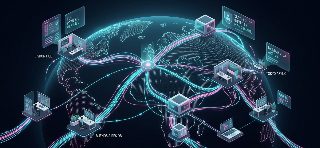
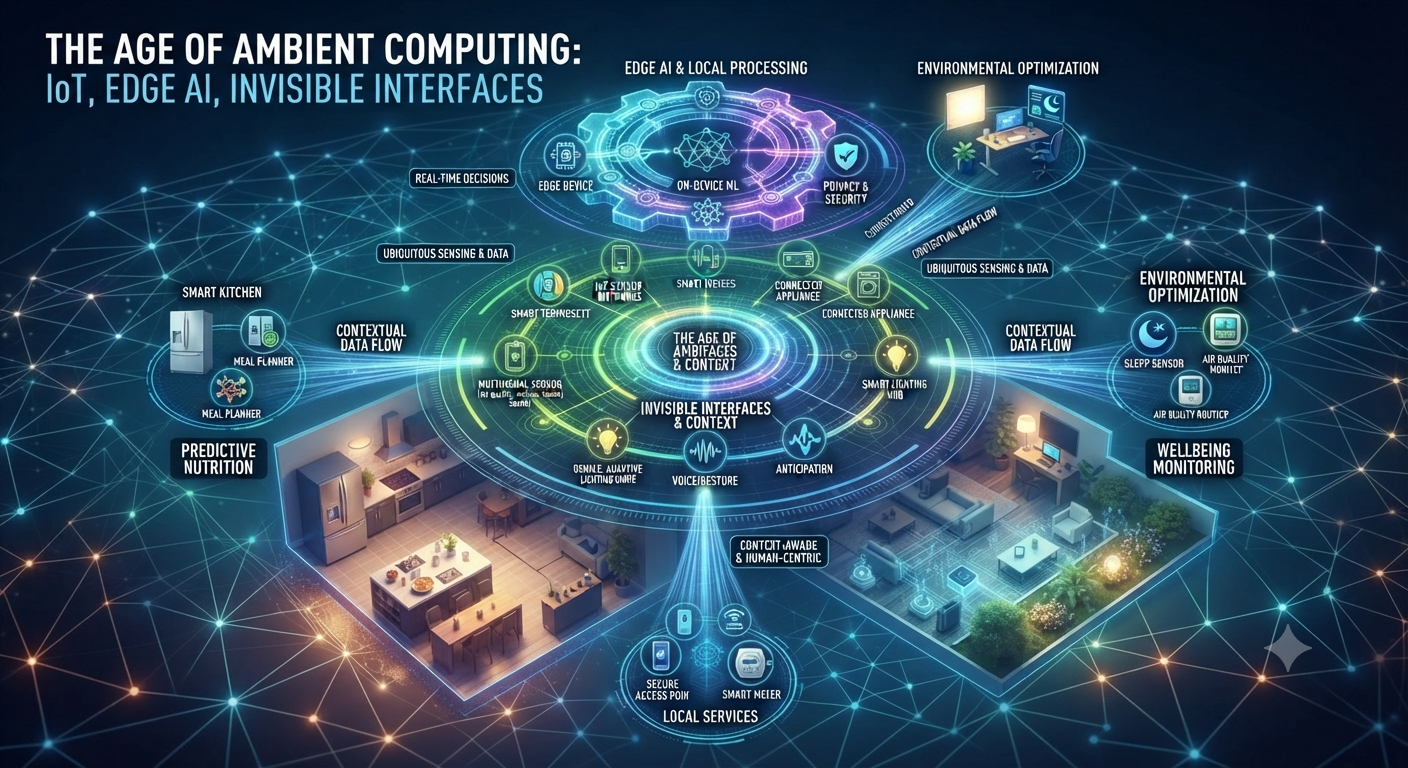
Powered by the convergence of Internet of Things (IoT) sensors, edge artificial intelligence, and multimodal interfaces—including voice, gesture, and environmental sensing—ambient computing is changing how technology fits into everyday life.
Edge AI and Localized Intelligence
One of the fundamental technologies behind ambient computing is edge AI.
Traditional cloud-based systems often send information to remote data centers for processing before returning a response. Edge computing moves more of that intelligence directly onto local devices.
Sensors, appliances, smartphones, vehicles, and other connected systems can increasingly analyze information locally and respond in real time.
This approach offers several potential advantages.
Privacy and Security
Ambient environments may collect sensitive information, including audio, visual data, location information, and other personal signals.
Processing more information locally can reduce the need to constantly transmit raw data to external servers.
While local processing does not automatically eliminate privacy risks, it can reduce certain forms of data exposure and give developers new opportunities to design privacy-conscious systems.
Faster Responses
Local processing can also reduce dependence on network connectivity.
When a device can interpret information directly, it does not always need to wait for a remote server to respond.
This can enable faster reactions to voice commands, environmental changes, occupancy patterns, and other real-time events.
For applications such as smart homes, connected vehicles, industrial systems, and wearable technology, even small improvements in response time can significantly improve the user experience.
The Rise of Invisible Interfaces
The most important characteristic of ambient computing may be its ability to operate without traditional interfaces.
Instead of opening an app, searching through menus, and manually changing settings, users can increasingly interact with technology through natural behavior.
Voice commands, gestures, movement, proximity, and environmental conditions can all become forms of interaction.
This represents a fundamental shift.
Rather than asking humans to adapt to technology, technology begins adapting to humans.
Contextual Awareness
Ambient systems depend heavily on contextual awareness.
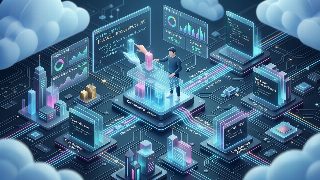
A smart environment does not simply respond to individual commands. It can potentially combine information from multiple connected sensors to understand what is happening around it.
For example, a smart home might recognize when someone enters a room and adjust lighting automatically.
A connected thermostat could respond to occupancy patterns and environmental conditions.
Adaptive lighting systems could adjust brightness and color temperature throughout the day to create a more comfortable environment.
In each case, the user does not necessarily need to interact with a traditional interface.
The environment itself becomes the interface.
Ambient Computing in the Workplace
The impact of ambient technology could extend far beyond the home.
In offices and industrial environments, connected systems can help automate routine processes and improve efficiency.
Meeting rooms could automatically configure lighting and temperature based on occupancy.
Workspaces could adapt to different activities, creating environments optimized for collaboration, concentration, or relaxation.
In manufacturing, sensors can continuously monitor equipment and identify potential maintenance issues before they lead to significant failures.
The result is a workplace where technology operates quietly in the background while people focus on higher-value activities.
Reducing Digital Fatigue
One of the most interesting promises of ambient computing is the possibility of reducing our dependence on screens.
The modern digital experience often requires constant visual attention.
We check notifications, open applications, respond to messages, and repeatedly switch between devices.
This constant interaction contributes to digital fatigue and fragmented attention.
Ambient computing offers an alternative approach.
If technology can provide useful assistance without requiring a screen for every interaction, people may spend less time actively managing devices.
The goal is not necessarily to eliminate technology, but to make it less intrusive.
The Challenge of Trust and Control
The more invisible technology becomes, the more important transparency and user control become.
An ambient system that constantly senses its surroundings raises legitimate questions about privacy, consent, security, and data ownership.
Users need to understand what information is being collected, how it is processed, and who has access to it.
There is also a risk of over-automation.
A system that anticipates user needs can be convenient, but incorrect assumptions could create frustration or unintended consequences.
For ambient computing to become truly human-centered, people must remain in control of the technology around them.
Designing a Human-Centric Digital Future
The ultimate measure of ambient computing may be its ability to disappear.
The best ambient technology may be the technology people barely notice.
Instead of constantly demanding attention, it quietly supports everyday activities.
Instead of forcing users to learn complicated interfaces, it responds through natural interaction.
Instead of adding another layer of digital complexity, it could simplify the relationship between humans and machines.
This vision represents a significant evolution in computing.
The first era of personal technology placed computers on desks.
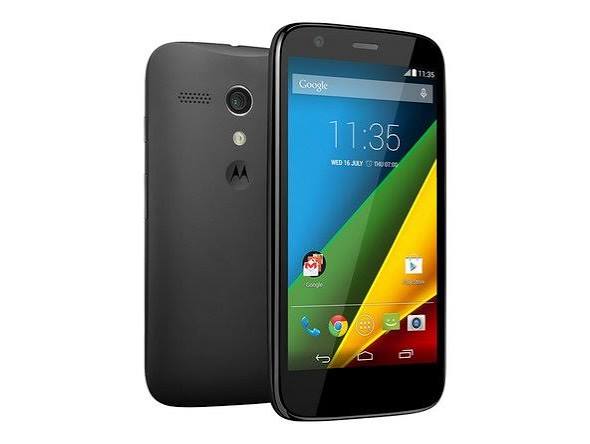
The smartphone era placed computers in our pockets.
The ambient computing era is moving computers into the environments around us.
Conclusion
Ambient computing represents a fundamental shift in how humans interact with technology.
Powered by edge AI, IoT connectivity, contextual awareness, and natural interfaces, it is creating a world where computing becomes less visible but potentially more deeply integrated into everyday life.
The greatest opportunity lies in creating technology that supports people without constantly demanding their attention.
But achieving that vision will require more than technical innovation.
Privacy, security, transparency, and user control must remain central to the development of ambient systems.
If these challenges are addressed responsibly, ambient computing could create a more intuitive relationship between people and technology—one in which the most advanced systems are not necessarily the ones we see most often, but the ones that quietly make everyday life easier.