




Quick Summary
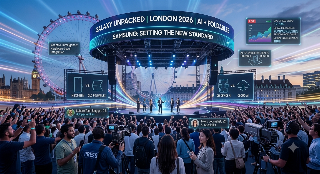
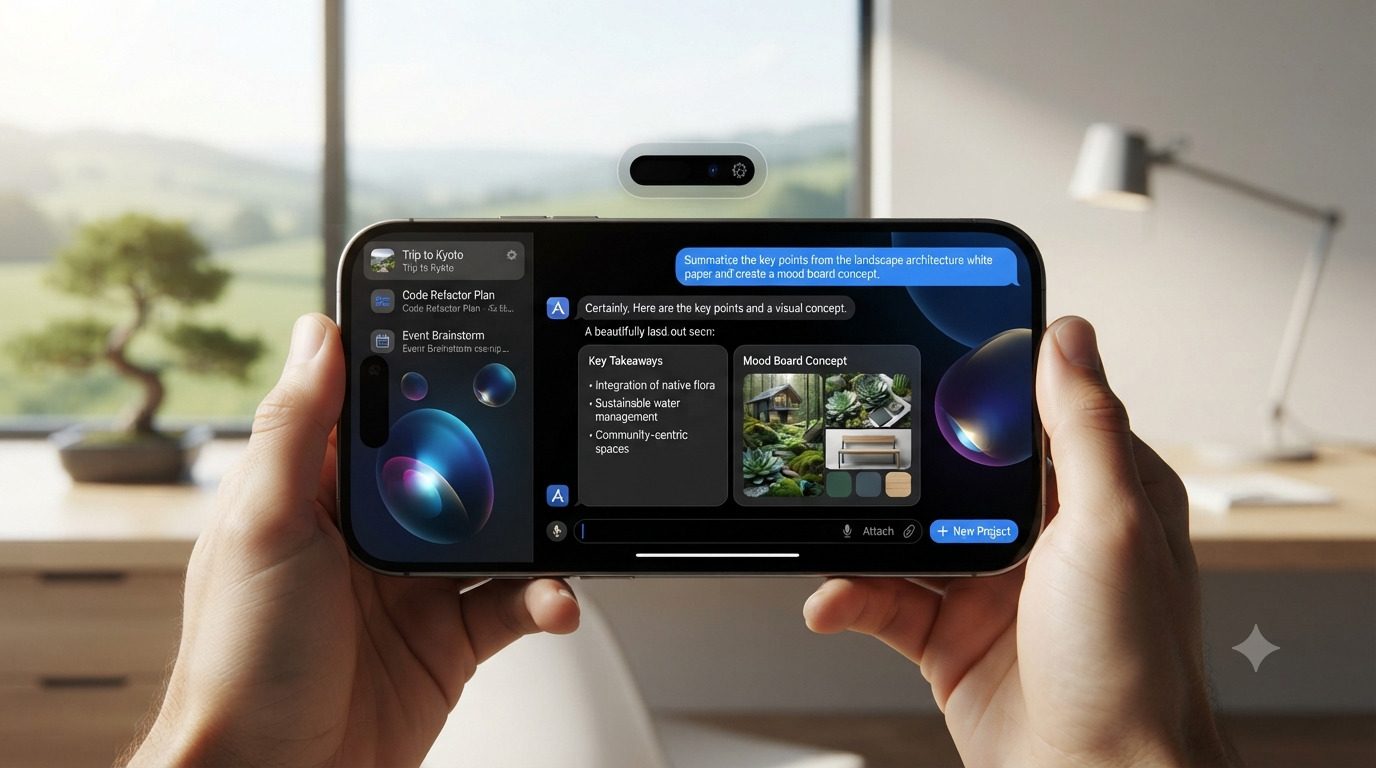
Apple unveiled its long-delayed Siri overhaul, branded "Siri AI," at WWDC 2026 on June 8. The new assistant runs as a standalone app, holds ongoing conversations, reads what's on your screen, and pulls context from your messages and photos — capabilities Apple originally promised back in 2024 before delaying them twice. Notably, part of its cloud intelligence is built in collaboration with Google, in a deal reported to be worth roughly $1 billion a year.
Key Takeaways
- Siri AI was announced at WWDC on June 8, 2026, after two prior delays since its original 2024 announcement
- It runs as a standalone conversational app, distinct from the classic voice-command Siri
- Apple's cloud intelligence for Siri AI involves a reported collaboration with Google
- Rollout is phased: developer access first, public beta this summer, wide release in fall, with English-speaking markets prioritized
A Feature Apple Has Been Promising Since 2024
Siri's reputation as one of the weaker voice assistants on the market has been a recurring criticism of Apple for years, and the company has known it. Apple first demoed a significantly smarter version of Siri back in 2024 as part of its original Apple Intelligence announcement, promising on-screen awareness and deeper cross-app integration. What actually shipped that year fell well short of the demo, and Apple quietly pushed the fuller version back twice, reportedly targeting a spring 2026 window before ultimately unveiling it at WWDC in June.
That history matters for setting expectations. The 2026 version of Siri AI is Apple's attempt to finally deliver on capabilities it described roughly two years earlier, at a point when competitors had already normalized conversational AI assistants as a mainstream expectation rather than a novelty.
Also Read: Apple iPhone 18 — Latest Rumored Specs & Review Preview
What Siri AI Actually Does Differently
The rebuilt assistant moves away from single-command voice interactions toward something closer to a conversational AI companion. It can hold a running conversation rather than resetting after each request, read what's currently displayed on your screen, and pull relevant context from your messages and photos to inform its responses. It also chains actions across multiple apps rather than handling one isolated task at a time.
Practically, this means you can ask for an in-depth plan, go back and forth refining it, get feedback on a document, or brainstorm through multiple exchanges — the kind of extended interaction previously associated with chatbot-style AI assistants rather than Siri. The assistant is also being integrated more deeply into the operating system itself: on macOS, Siri AI ties into Spotlight, giving it a more central role in how users search for information across their device, while watchOS gains the ability to ask questions and take action directly from the wrist.
The Google Partnership Behind the Scenes
One of the more notable details in Apple's announcement is the involvement of Google's technology in powering Siri AI's cloud intelligence, part of a collaboration reportedly worth about $1 billion annually. Reporting on the exact technical relationship differs: some early coverage described Apple's cloud models as directly built on Google's Gemini, while more detailed reporting since suggests Apple's models are custom Foundation Models that were distilled from, or refined using, Gemini's outputs rather than running Gemini directly at inference time. Apple has not clarified the exact commercial or technical terms publicly. On-device requests continue to run on Apple's own models, with only heavier requests routed to Apple's Private Cloud Compute infrastructure.
Rollout Timeline: What to Expect and When
Apple is following its typical phased release approach. A developer-focused release is available now, with a public beta expected the following month and a stable release arriving alongside the broader iOS 27, iPadOS 27, macOS 27, watchOS 27, visionOS 27, and tvOS 27 updates this fall. Availability is prioritized for English-speaking markets first, with the EU and China notably absent from the initial rollout — a gap tied to regulatory and market-specific considerations rather than a technical limitation.
Also Read: Apple iPhone Fold — Ultimate Foldable Flagship Preview
It's worth being realistic about timing if you're outside an English-speaking market: given the roughly two-month gap Apple has typically maintained between beta and stable releases for major features, non-English language support could realistically extend well into 2027.
Why This Matters Beyond Apple
Siri AI represents Apple positioning its own assistant as a direct competitor to ChatGPT, Claude, and Gemini for the first time, rather than treating those chatbot-style assistants as separate from its core software experience. For the broader AI assistant market, it signals that even the most cautious major tech company has concluded conversational, context-aware AI is now a baseline expectation rather than an optional add-on — a shift that puts additional pressure on every other assistant competing for the same daily usage.
FAQ
Q: When does Siri AI officially launch?
Apple unveiled Siri AI at WWDC on June 8, 2026, with a public beta expected the following month and a full release planned for fall 2026 alongside Apple's iOS 27 update.
Q: Is Siri AI powered by Google's Gemini?
Reports differ on the exact technical relationship. Apple has confirmed a cloud intelligence collaboration with Google, though whether it runs Gemini directly or uses custom Apple models distilled from it remains unconfirmed by Apple.
Q: Will Siri AI be available in the EU at launch?
No. Apple's initial rollout excludes the EU and China, prioritizing English-speaking markets first.
Q: How is Siri AI different from the current Siri?
Siri AI runs as a standalone app capable of ongoing conversations, on-screen awareness, and cross-app actions, compared to the previous single-command voice assistant model.