





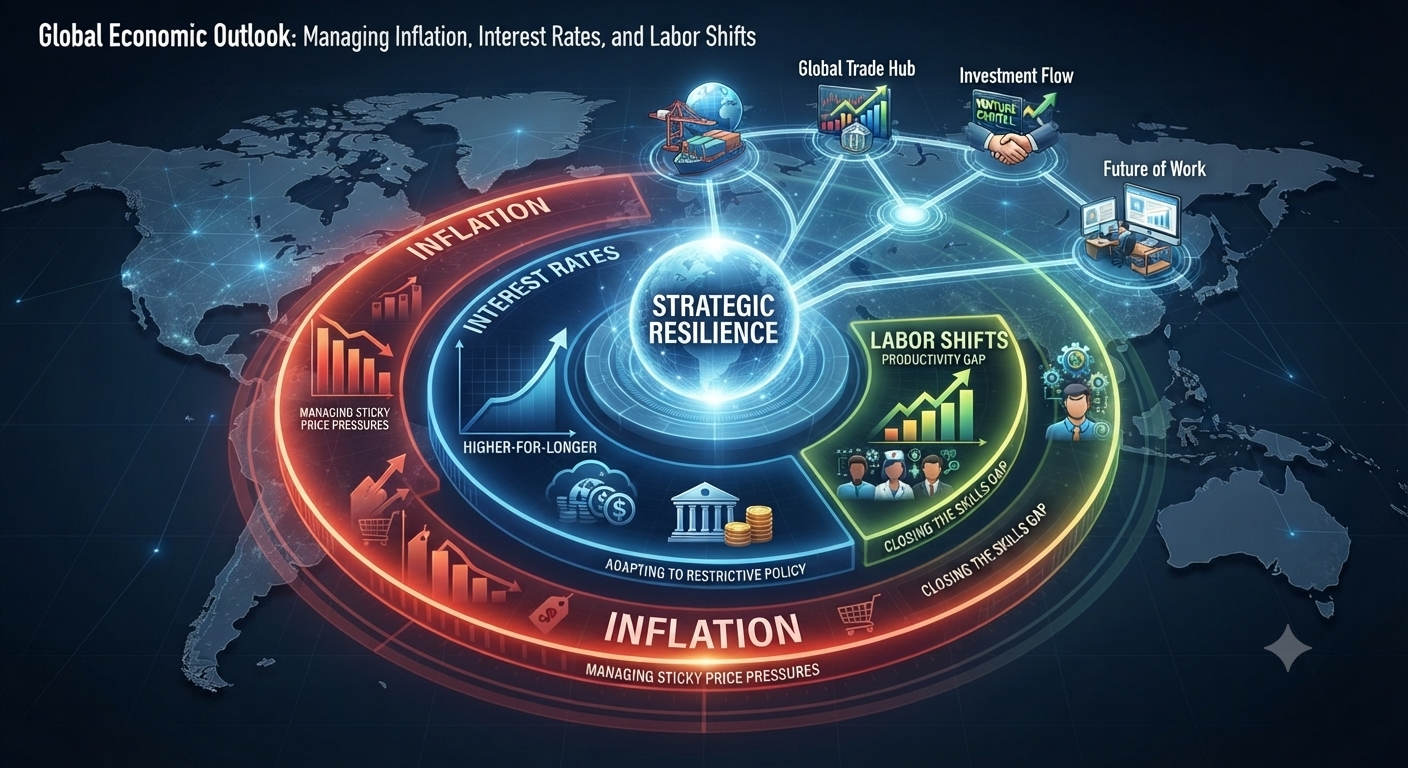
Global Economic Outlook: Managing Inflation, Interest Rates, and Labor Shifts
An analytical look at shifting fiscal policies, global market conditions, and what workers and enterprises should expect regarding growth versus recession risks.
News
Discover what to watch next.
Movies, series, and anime with guides, lists, and comparisons.
Discover MoviesExpert reviews you can trust.
In-depth, independent reviews for phones, cars, and recipes — so you buy and cook with confidence.
Discover PhonesDevices & Vehicles
Free tools that save time.
PDF, image, text, SEO, and developer utilities — fast and free to use.
Search ToolsCategories
AI that helps you move faster.
Chat, search, and automation built around FindEdition content.
Explore AI NewsAsk, share, and learn together.
Questions, discussions, and creator spaces powered by real people.
Ask a QuestionCommunity
Legal
Partners
Build with FindEdition.
API portal, documentation, and technical resources for developers.
Read DocumentationCompany
About Contact Careers Press SupportLegal
Privacy Terms Editorial Policy Cookies DMCAPartners
Documentation API PortalPlatform
API Portal ResearchQuick Links
Search Tools Support AI AssistantPolicies
API Terms Privacy Partner Inquiry12 results for “economic growth” 105.6 ms
An analytical look at shifting fiscal policies, global market conditions, and what workers and enterprises should expect regarding growth versus recession risks.

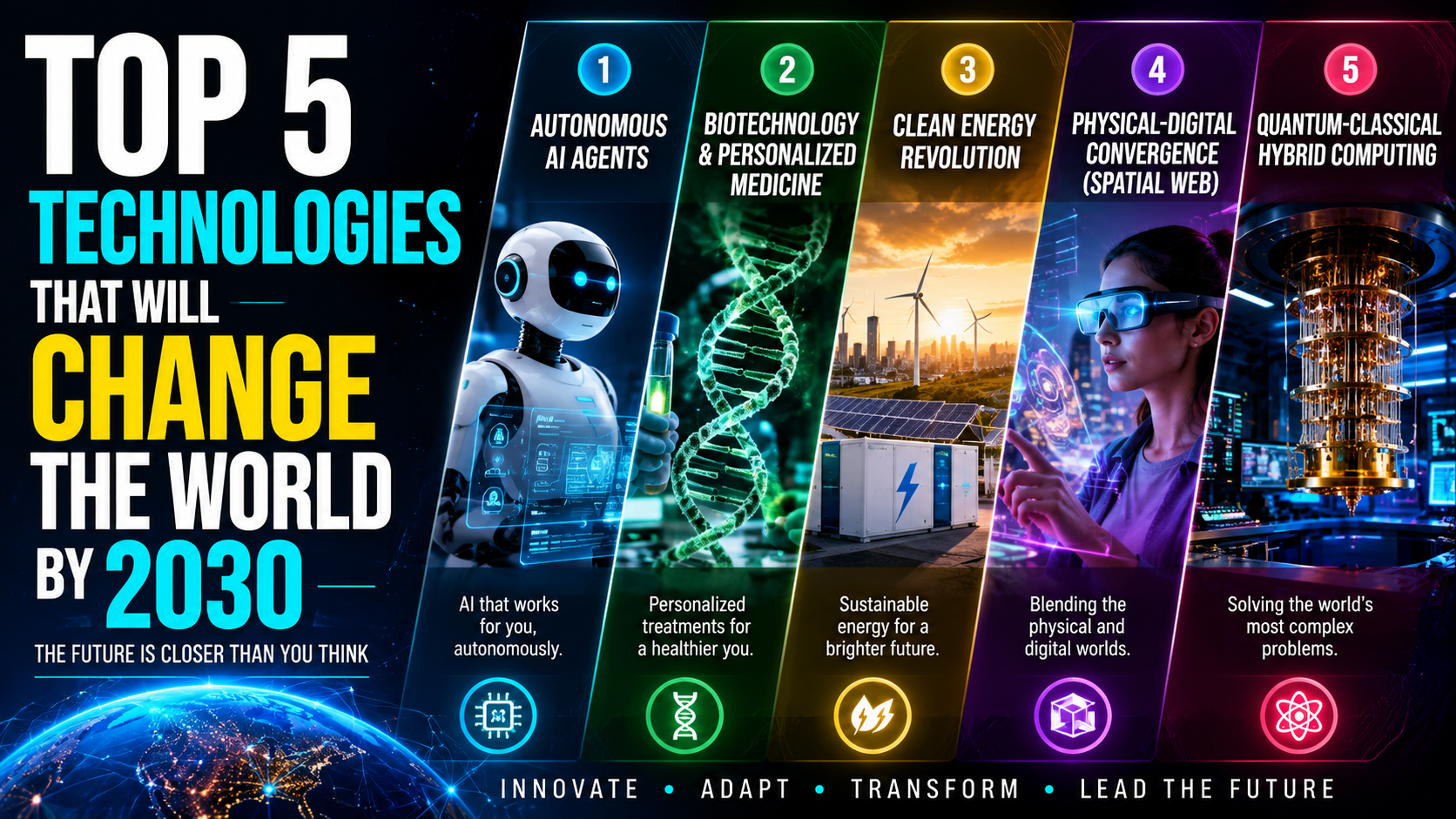
The pace of technological evolution is no longer linear; it is exponential. As we head toward 2030, we are moving past the "novelty" phase of AI and into a decade of deep integration. From the way we manage our health to how we power our cities, here are the pivotal technologies that will define the end of the decade.
OpenAI reportedly discussed giving the US government a 5% stake worth approximately $42.6 billion. Supporters call it public participation in the AI boom, while critics warn it could compromise the government’s ability to regulate the company independently.
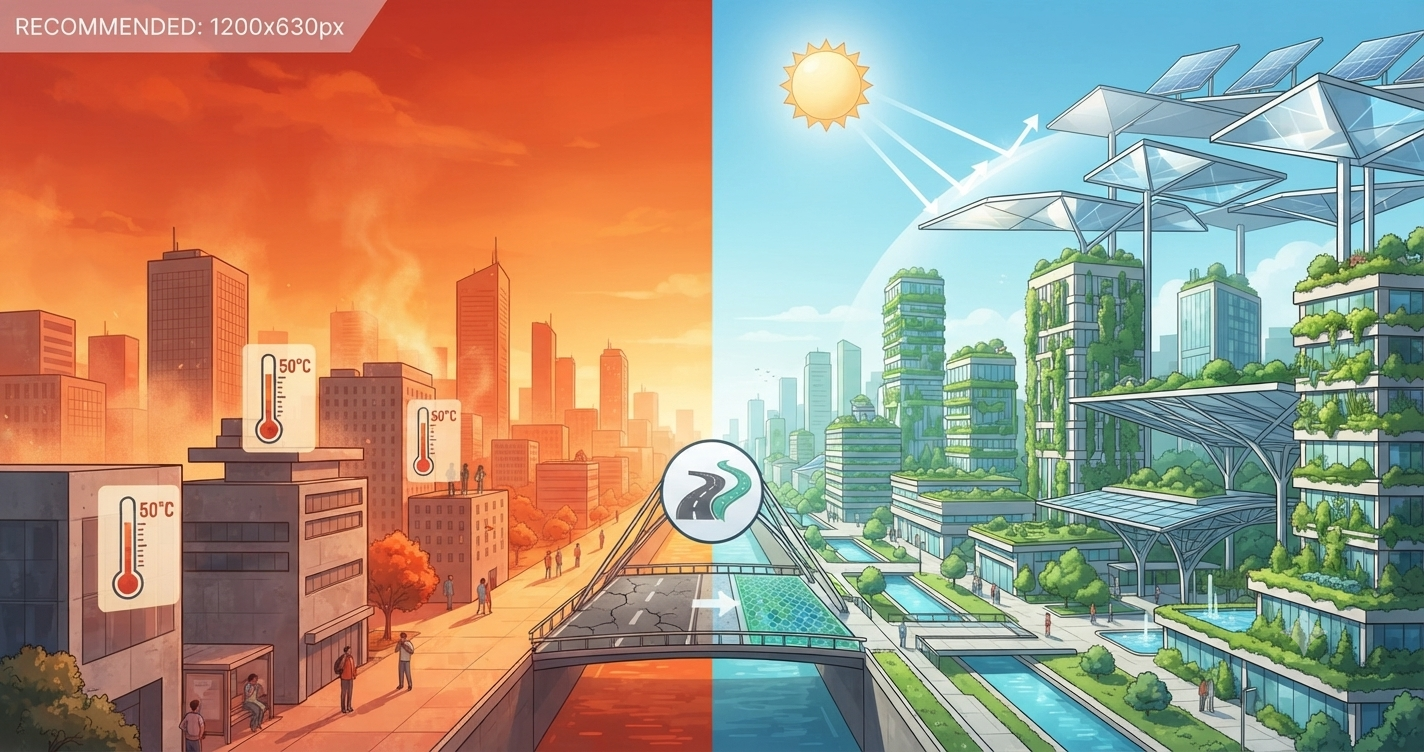
As extreme heat becomes a new reality, cities across the globe are pioneering innovative cooling and resilience strategies to protect their communities and economies.
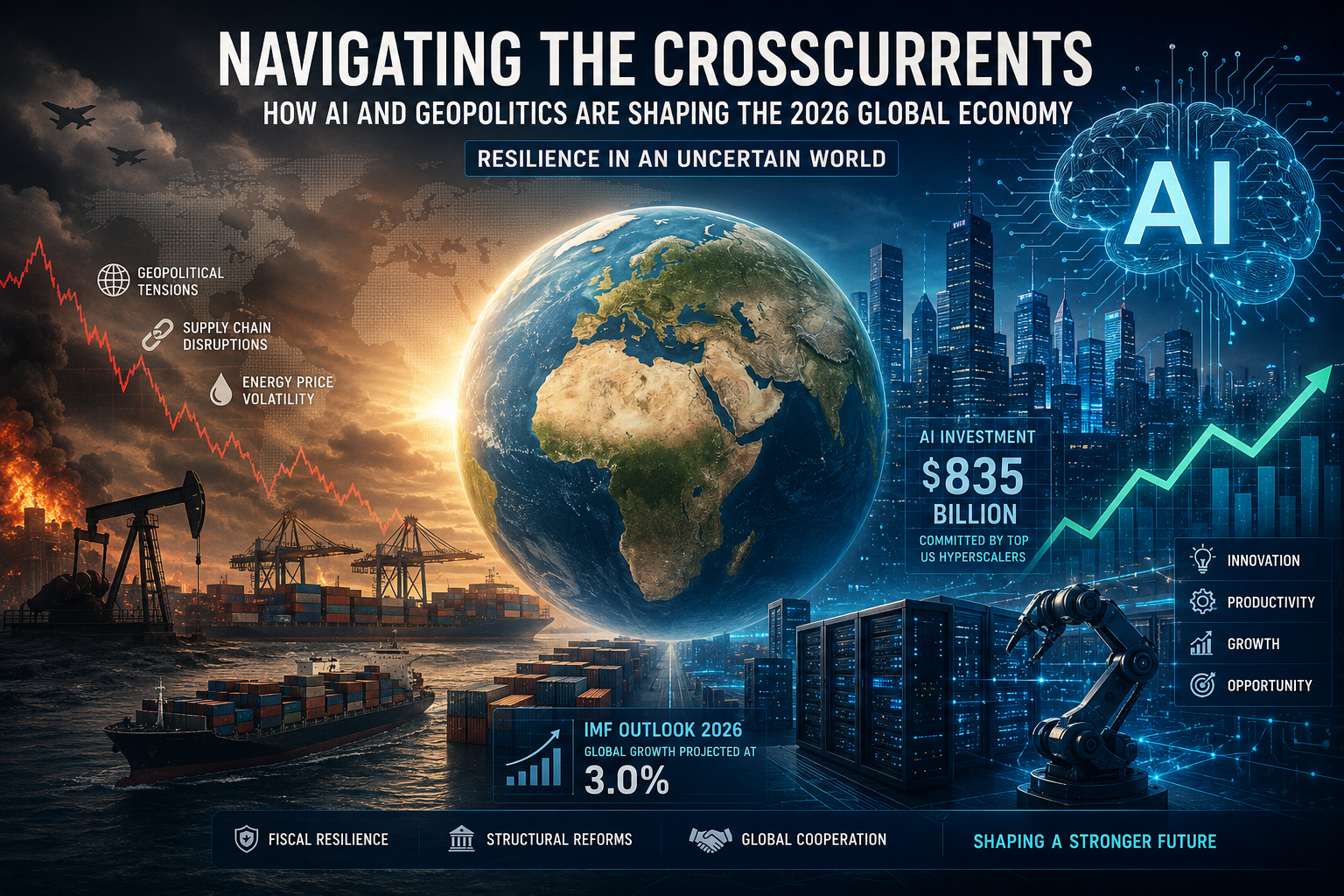
As the global economy faces the dual pressures of regional conflict and transformative technological shifts, resilience remains the defining theme for the remainder of 2026.
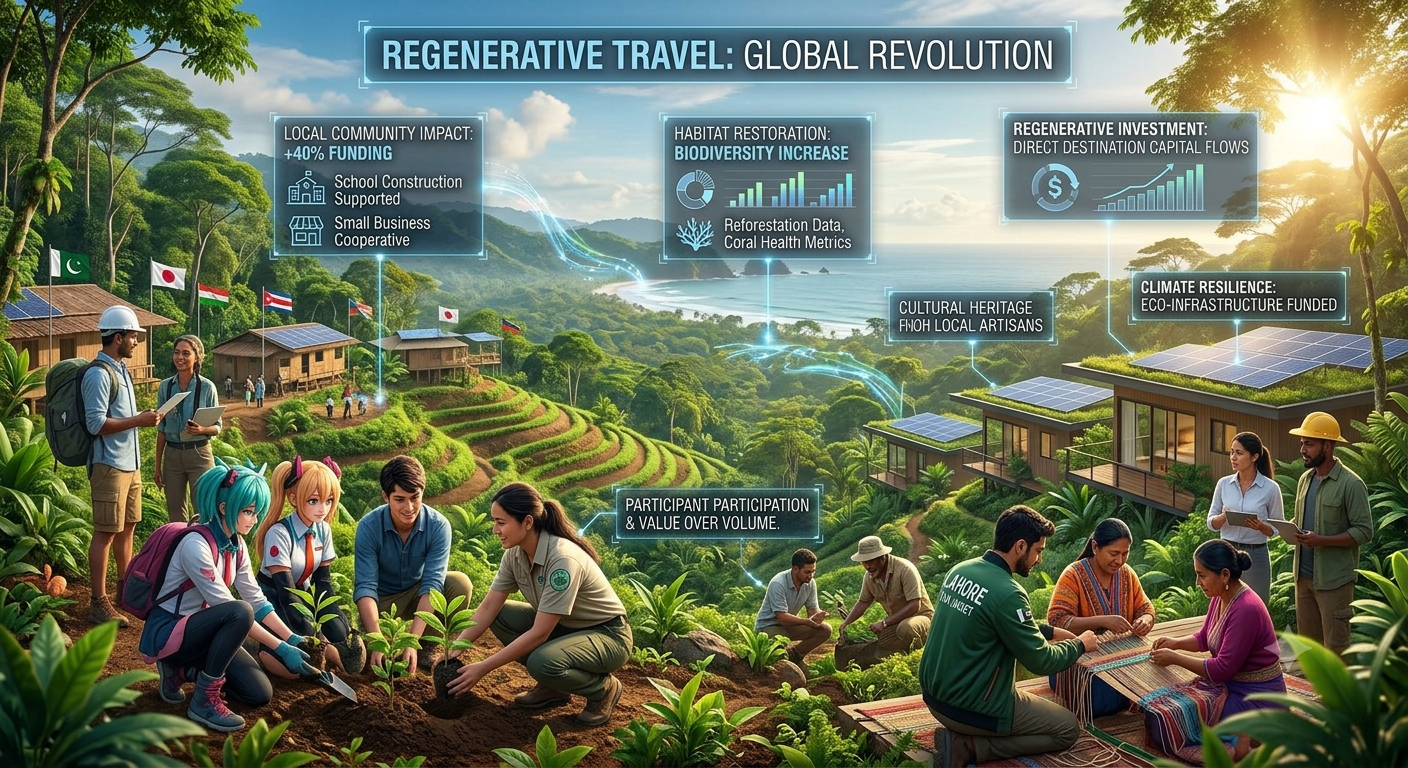
Moving past basic eco-tourism, a massive structural shift toward "regenerative travel" is forcing destinations worldwide to prioritize local communities, habitat restoration, and cultural preservation over raw visitor volume.
Following a marathon state funeral, Iran’s second Supreme Leader Ali Khamenei has been officially laid to rest in Mashhad, marking a highly tense transition of power in the Middle East.
As global industries face highly concentrated supply chains, nation-states are spending hundreds of billions to secure domestic microchip manufacturing and vital raw material pipelines.
By programming microscopic organisms to brew everything from durable building insulation to carbon-negative textiles, industrial biomanufacturing is decoupling factory production from fossil fuels.
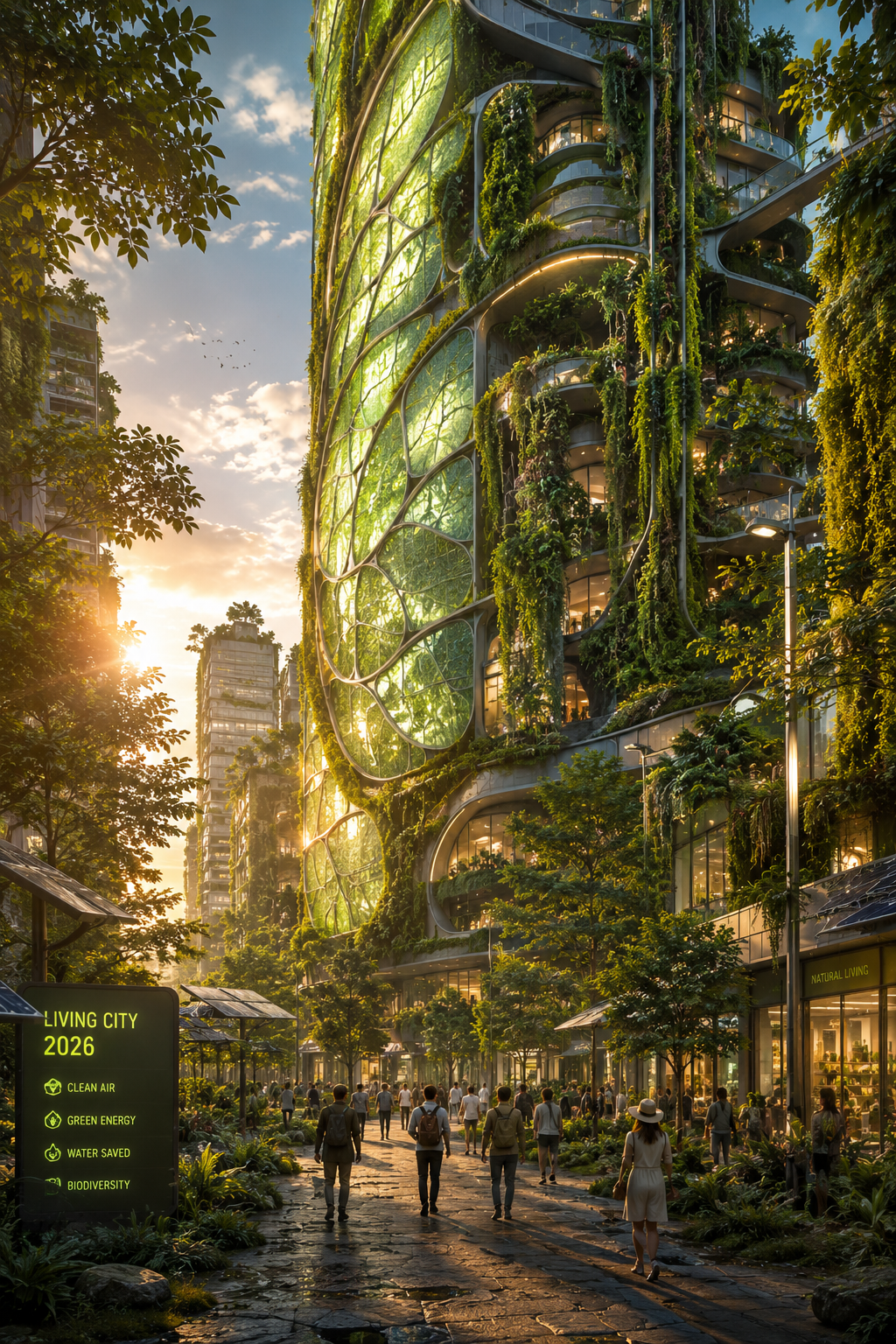
Discover the 2026 trend of bio-architectural urbanism, where city infrastructure integrates living ecosystems to combat heat and restore urban biodiversity.
The global economy is moving at two distinct speeds, caught between the disruptive weight of commodity shocks and the accelerating force of the artificial intelligence boom.
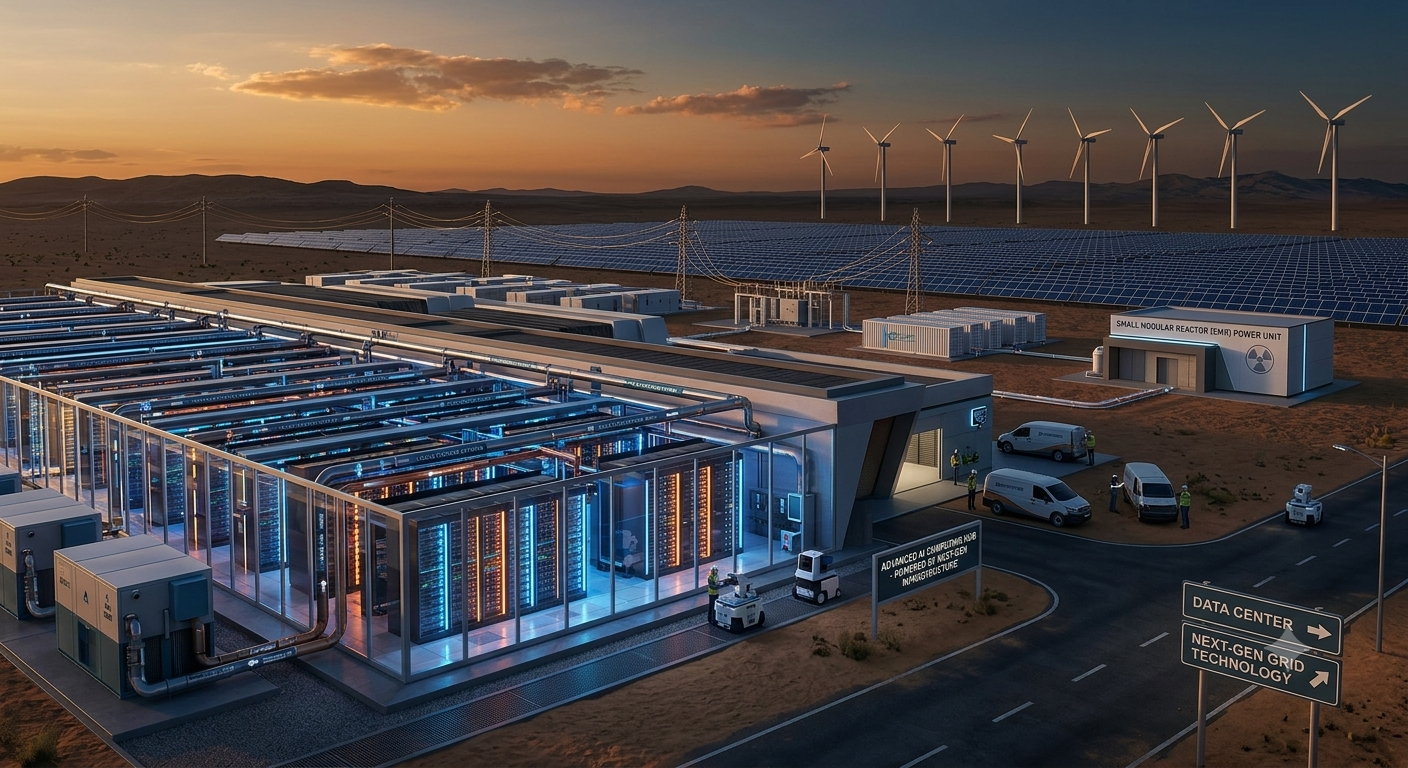
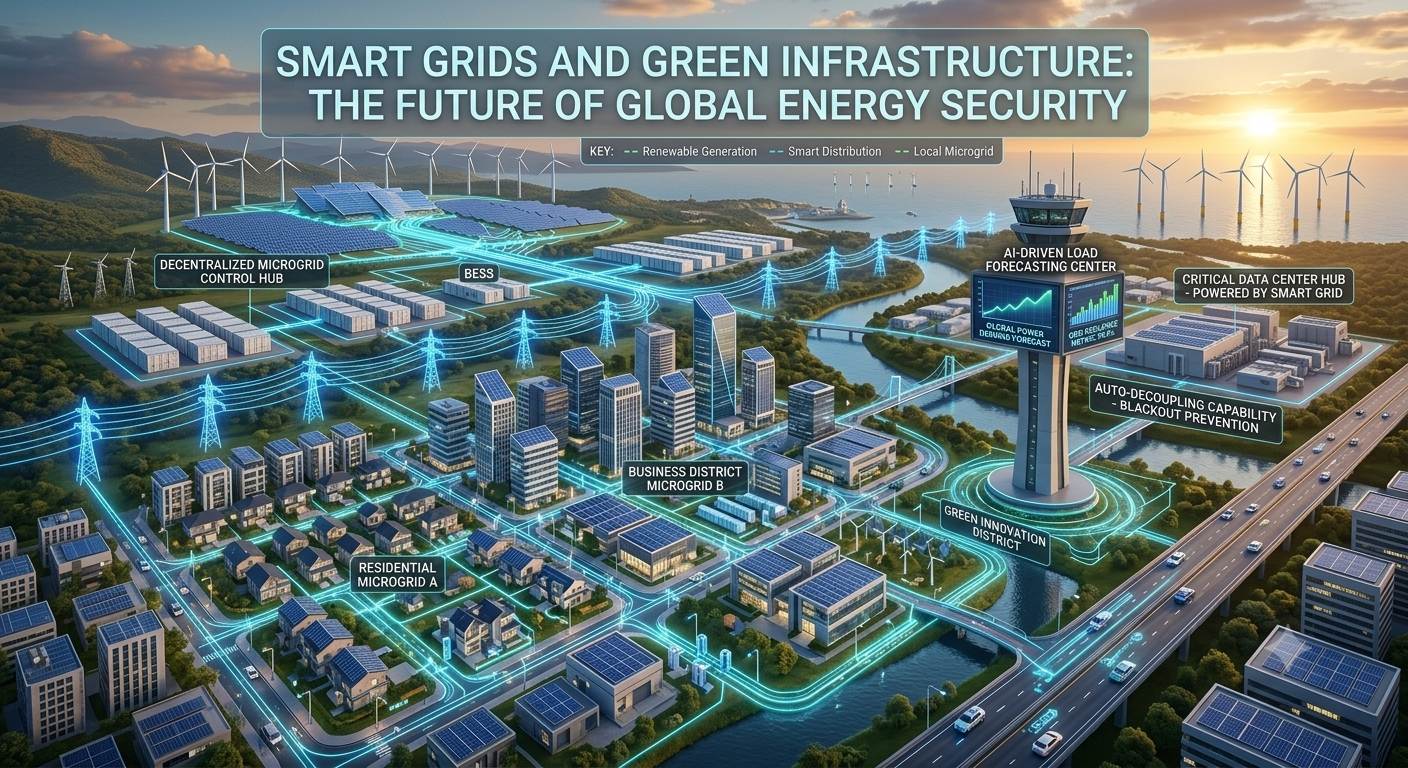
As extreme weather and skyrocketing demand from digital industries strain aging infrastructure, nations are racing to rebuild their electrical systems using localized smart grids and green energy tech.
FindEdition uses first-party advertising and optional analytics. Personalized ads and external networks require your consent where applicable. See our Privacy Policy and Advertising Policies.