





Introduction
The world of work is evolving at an unprecedented pace. Artificial intelligence, automation, cloud computing, and digital transformation are reshaping every industry, from healthcare and finance to education and manufacturing. While many people fear that AI will replace human workers, the reality is far more optimistic. The future belongs to professionals who know how to work alongside intelligent technologies rather than compete against them.
By 2030, employers will value adaptability, analytical thinking, digital literacy, and strategic decision-making more than ever before. Routine tasks will increasingly be handled by AI systems, allowing humans to focus on creativity, leadership, innovation, and solving complex business challenges. This shift means that developing the right skills today is one of the smartest investments you can make for your future career.
Whether you’re a student planning your career, a recent graduate entering the workforce, or an experienced professional looking to stay relevant, understanding the skills that will define the next decade is essential. Learning these abilities doesn’t just improve your job prospects—it also prepares you to thrive in a rapidly changing world where technology continues to evolve at remarkable speed.
In this article, we’ll explore five of the most valuable skills that experts believe will shape the future of work by 2030. These are not just technical abilities but long-term career assets that will remain valuable regardless of industry or profession.
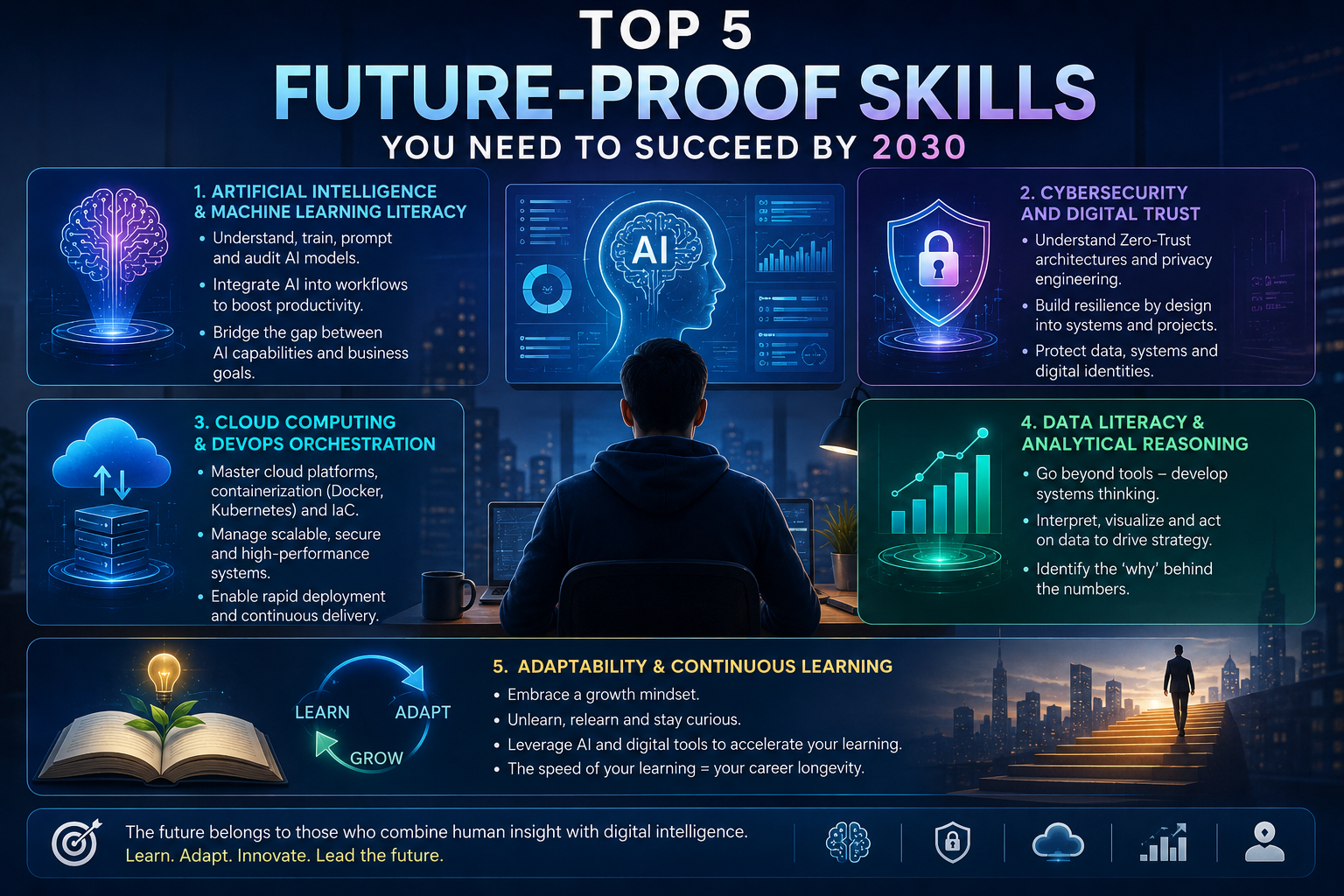
1. Artificial Intelligence and Machine Learning Literacy
Artificial intelligence has moved beyond being a futuristic concept. It is now deeply integrated into everyday business operations, from customer service chatbots and recommendation engines to automated financial analysis and medical diagnostics. By 2030, AI literacy will become as essential as computer literacy is today.
Being AI-literate doesn’t mean you need a doctorate in machine learning or years of programming experience. Instead, it means understanding how AI systems work, what they can and cannot do, and how to use them effectively to improve productivity and decision-making.
Professionals who understand AI will know how to write effective prompts, evaluate AI-generated results, identify potential biases, and integrate AI into existing workflows. They will recognize which tasks should be automated and which require human judgment.
For example, marketers will use AI to generate campaign ideas and analyze customer behavior. Lawyers will employ AI to review contracts more efficiently. Doctors will rely on AI-assisted diagnostics while maintaining final clinical judgment. Teachers will personalize learning experiences with AI-powered educational tools.
Another important aspect of AI literacy is ethical responsibility. As AI becomes more influential in hiring, lending, healthcare, and law enforcement, professionals must understand fairness, transparency, privacy, and accountability.
Organizations increasingly seek employees who can bridge the gap between advanced AI technology and real-world business goals. These professionals understand both human needs and technological capabilities, making them indispensable across industries.
Learning AI literacy today means developing practical experience with modern AI tools, understanding their strengths and limitations, and continuously adapting as new technologies emerge.
2. Cybersecurity and Digital Trust
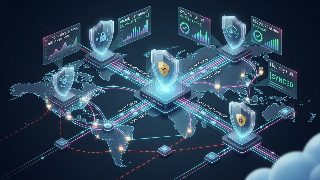
As businesses continue moving toward digital operations, cybersecurity has become one of the most important priorities worldwide. Every connected device, cloud application, online payment system, and remote workplace creates new opportunities for cybercriminals.
By 2030, cybersecurity will no longer be viewed as the sole responsibility of IT departments. Every employee, manager, and executive will need a solid understanding of digital security principles.
Modern cybersecurity extends far beyond installing antivirus software. It includes protecting sensitive customer data, securing cloud environments, managing digital identities, preventing phishing attacks, ensuring regulatory compliance, and maintaining business continuity.
One of the most important concepts shaping the future is the Zero Trust security model. Instead of automatically trusting users or devices inside a network, Zero Trust requires continuous verification before granting access to sensitive systems.
Privacy engineering is another rapidly growing field. Organizations increasingly design products with data protection built into every stage of development rather than treating privacy as an afterthought.
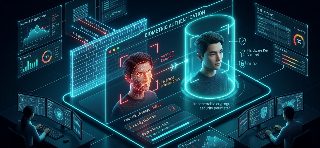
Artificial intelligence is also transforming cybersecurity. AI helps detect suspicious network activity, identify malware, analyze threats, and automate security monitoring. However, cybercriminals are also using AI to launch more sophisticated attacks, making cybersecurity knowledge even more valuable.
Professionals with cybersecurity awareness help organizations reduce financial losses, maintain customer trust, protect intellectual property, and comply with international regulations.
Whether you work in finance, healthcare, education, government, or technology, understanding cybersecurity principles will become one of the most valuable career skills of the next decade.
3. Cloud Computing and DevOps Orchestration
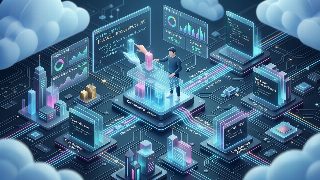
Cloud computing has fundamentally changed how businesses build, deploy, and manage technology. Instead of maintaining expensive physical servers, organizations increasingly rely on cloud platforms that provide flexible, scalable, and cost-effective infrastructure.
By 2030, cloud computing knowledge will extend far beyond IT professionals. Many business roles will require an understanding of cloud services because digital products, customer applications, analytics platforms, and collaboration tools all depend on cloud infrastructure.
Professionals working with cloud technology benefit from greater flexibility, faster deployment, improved collaboration, and stronger disaster recovery capabilities.
Alongside cloud computing, DevOps has emerged as a critical methodology for modern software development. DevOps combines development and operations teams to automate software delivery, improve reliability, and accelerate innovation.
Key technologies include containerization using Docker, orchestration through Kubernetes, Infrastructure as Code, continuous integration, and continuous deployment.
These tools allow organizations to launch updates quickly, scale services automatically, and maintain consistent performance even during periods of high demand.
Businesses that effectively implement cloud computing and DevOps gain a significant competitive advantage because they respond faster to customer needs and market changes.
Even professionals who are not software engineers benefit from understanding cloud concepts because many business applications, customer platforms, and productivity tools now operate entirely in cloud environments.
Learning cloud fundamentals, understanding deployment strategies, and becoming familiar with modern automation practices will remain valuable skills throughout the coming decade.
4. Data Literacy and Analytical Reasoning
Organizations generate enormous amounts of data every day. Sales transactions, customer interactions, website traffic, financial records, social media activity, and operational metrics all produce valuable information.
However, data alone has little value unless someone can interpret it, identify meaningful patterns, and transform insights into strategic decisions.
Data literacy has therefore become one of the most important professional skills of the digital age.
Modern professionals need more than basic spreadsheet knowledge. They must understand how data is collected, cleaned, analyzed, visualized, and communicated.
Analytical reasoning involves asking the right questions, identifying trends, evaluating evidence, and understanding cause-and-effect relationships rather than simply accepting numbers at face value.
Business intelligence platforms like Power BI, Tableau, SQL, and Excel continue to play important roles, but future professionals also need systems thinking.
Systems thinking means recognizing how different departments, technologies, customer behaviors, and economic factors interact within larger organizational systems.
Artificial intelligence can quickly process enormous datasets, but humans remain essential for interpreting results, considering ethical implications, understanding customer behavior, and making strategic decisions.
For example, AI might identify declining sales in a specific region. Human analysts investigate why sales declined, evaluate market conditions, understand customer preferences, and recommend effective solutions.
Data literacy also improves communication. Professionals who clearly present findings through charts, dashboards, and reports help organizations make faster and more informed decisions.
Regardless of industry, data-driven thinking will continue shaping hiring decisions, promotions, and leadership opportunities through 2030 and beyond.
5. Adaptability and Continuous Learning
Among all future workplace skills, adaptability may be the most valuable.
Technology evolves faster than traditional education systems can update their curricula. Programming languages change, software platforms evolve, AI capabilities expand, and entirely new industries emerge within just a few years.
Because of this rapid pace of change, professionals can no longer depend solely on degrees earned early in their careers. Continuous learning has become a lifelong responsibility.
Adaptability means remaining open to change, embracing new technologies, developing new skills, and remaining curious even when facing unfamiliar challenges.
Individuals with growth mindsets view change as an opportunity rather than a threat. They actively seek feedback, experiment with new tools, and continually improve their capabilities.
Artificial intelligence itself has become a powerful learning assistant. Modern AI platforms help professionals summarize books, explain difficult concepts, create personalized study plans, generate practice exercises, and answer complex technical questions.
This dramatically accelerates self-directed learning and makes acquiring new knowledge faster than ever before.
Organizations increasingly value employees who demonstrate flexibility because adaptable professionals recover quickly from setbacks, learn new systems efficiently, and contribute innovative ideas during periods of change.
Career longevity in the coming decade will depend less on what you already know and more on how quickly you can learn something new.
Employers recognize that today’s cutting-edge technology may become outdated within a few years. Therefore, hiring managers increasingly prioritize learning ability over static technical expertise.
Developing adaptability today prepares individuals for opportunities that may not even exist yet.
Why These Skills Matter Together
Although each of these five skills is valuable independently, their true power comes from combining them.
A professional who understands artificial intelligence but lacks cybersecurity knowledge may expose sensitive data.
Someone skilled in cloud computing but unable to analyze business data may struggle to create meaningful value.
Likewise, strong technical expertise without adaptability quickly becomes outdated as technologies evolve.
Future-ready professionals combine AI literacy, cybersecurity awareness, cloud knowledge, analytical reasoning, and continuous learning into one integrated skill set.
This combination allows them to solve complex problems, collaborate across departments, lead digital transformation initiatives, and make informed strategic decisions.
Organizations increasingly seek employees who possess both technical understanding and strong human judgment.
These individuals become innovation leaders capable of guiding businesses through constant technological change.
Preparing for the Future Today
Building future-proof skills does not happen overnight.
The best approach is to start with one area, gain practical experience through real projects, and gradually expand your expertise over time.
Online learning platforms, AI assistants, certifications, open-source projects, industry conferences, and professional communities provide countless opportunities to continue learning.
Practical experience is especially valuable because employers increasingly prioritize demonstrated ability over theoretical knowledge.
Experimenting with AI tools, practicing cybersecurity fundamentals, learning cloud platforms, analyzing datasets, and embracing continuous learning all contribute to long-term career success.
Small improvements made consistently over several years create significant advantages by the time 2030 arrives.
Final Thoughts
The future of work is not about humans competing with machines—it is about humans collaborating with increasingly intelligent technologies.
Artificial intelligence will automate routine tasks, cybersecurity will protect our digital world, cloud computing will power global innovation, data literacy will drive smarter decisions, and adaptability will ensure lifelong career success.
These five future-proof skills represent more than technological knowledge. They reflect a new mindset built around curiosity, resilience, continuous improvement, and strategic thinking.
Professionals who begin developing these abilities today will be better prepared for tomorrow’s opportunities, regardless of how industries evolve.
The coming decade belongs to individuals who embrace change instead of fearing it, continuously expand their knowledge, and use technology to amplify their human potential.
By investing in these essential skills now, you won’t simply prepare for the future—you’ll be ready to help shape it.