
Overview
These French croissants rely on cold fermentation, an even butter block, repeated letter folds, careful shaping, and complete proofing to produce crisp exteriors and open layered interiors.

Classic French Croissants
Classic French croissants made with yeast-leavened laminated dough, a pliable butter block, three letter folds, careful shaping, cool proofing, and high-heat baking.
Makes 12 servings
Classic French croissants made with yeast-leavened laminated dough, a pliable butter block, three letter folds, careful shaping, cool proofing, and high-heat baking.
Combine the bread flour, sugar, salt, and instant yeast in a large mixing bowl. Add the cold milk and softened butter and mix until a rough dough forms, adding a small amount of cold water only if the dough is too dry.
10 minKnead the dough until smooth and moderately elastic. Avoid excessive kneading because strong gluten can make later rolling difficult.
8 minShape the dough into a flat rectangle, wrap it tightly, and refrigerate for 1 hour.
60 minPlace the cold butter between two sheets of parchment paper. Pound and roll it into an even 8-inch square. Refrigerate until firm but still flexible.
15 minRoll the chilled dough into a 12-inch square on a lightly floured surface. Position the butter block diagonally in the center and fold the dough corners over it like an envelope, sealing the seams completely.
10 minRoll the dough package into a long rectangle about 8 by 24 inches. Brush off excess flour, fold the top third down, and fold the bottom third up to complete the first letter fold.
10 minWrap the dough and refrigerate for 30 minutes so the butter and dough become equally firm.
30 minRepeat the rolling and letter-fold process two more times, chilling the dough for 30 minutes between folds. Keep the dough cold and stop rolling if butter begins softening or leaking.
40 minAfter the final fold, wrap the dough and refrigerate for at least 1 hour or overnight.
60 minRoll the chilled dough into a large rectangle about 1/4-inch thick. Trim the edges with a sharp knife or pizza cutter to expose clean laminated layers.
15 minCut the dough into long triangles with bases about 4 inches wide. Make a small notch in the center of each base, gently stretch each triangle, and roll from the base toward the tip without compressing the layers.
15 minArrange the croissants on parchment-lined baking sheets with the pointed tips tucked underneath. Curve the ends slightly inward if desired.
Cover loosely and proof at a cool room temperature until visibly expanded, jiggly, and layered. Do not proof in a hot place because the butter may melt out.
120 minPreheat the oven to 400°F (205°C). Whisk the egg with 1 tablespoon of milk and gently brush the croissants without coating the cut edges heavily.
20 minBake for 8 minutes at 400°F (205°C), then reduce the temperature to 375°F (190°C) and continue baking for 12 to 14 minutes until deeply golden and crisp.
22 minTransfer the croissants to a wire rack and cool for at least 20 minutes before serving so the interior structure can set.
20 minA bakery-style croissant recipe with crisp shells, rich butter flavor, and well-defined honeycomb layers for bakers willing to manage the chilling and folding process carefully.
Classic French croissants made with yeast-leavened laminated dough, a pliable butter block, three letter folds, careful shaping, cool proofing, and high-heat baking.
Store cooled croissants in an airtight container at room temperature for up to 2 days. Reheat in a 350°F (175°C) oven for 5 to 7 minutes. Freeze baked croissants for up to 2 months and reheat directly from frozen.
Ask about substitutions, timing, or technique for this recipe.
Sign in to discuss.
Sign in to ask a question.
No questions yet. Be the first to ask.
No photos uploaded yet.
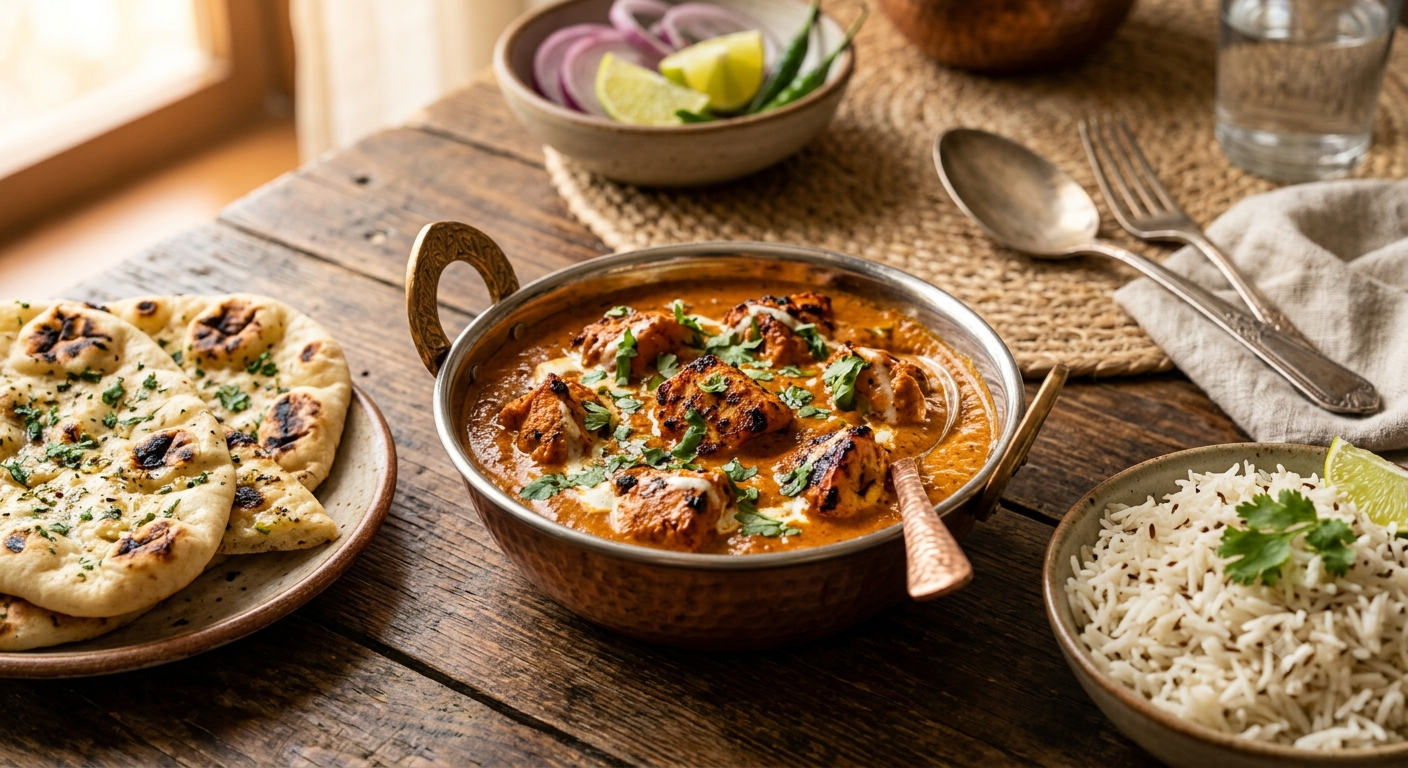 Indian
60 min
Indian
60 min
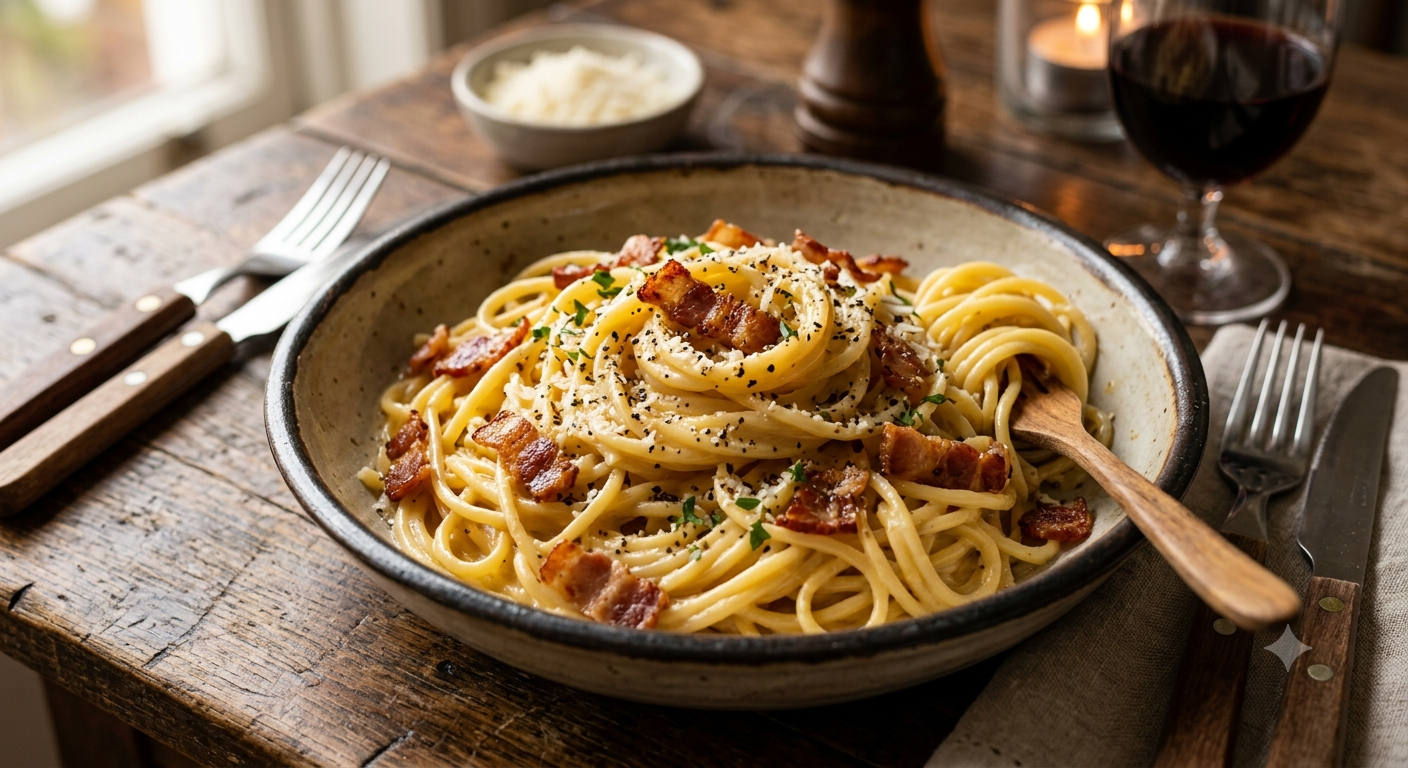 Italian
35 min
Italian
35 min
 Japanese
90 min
Japanese
90 min
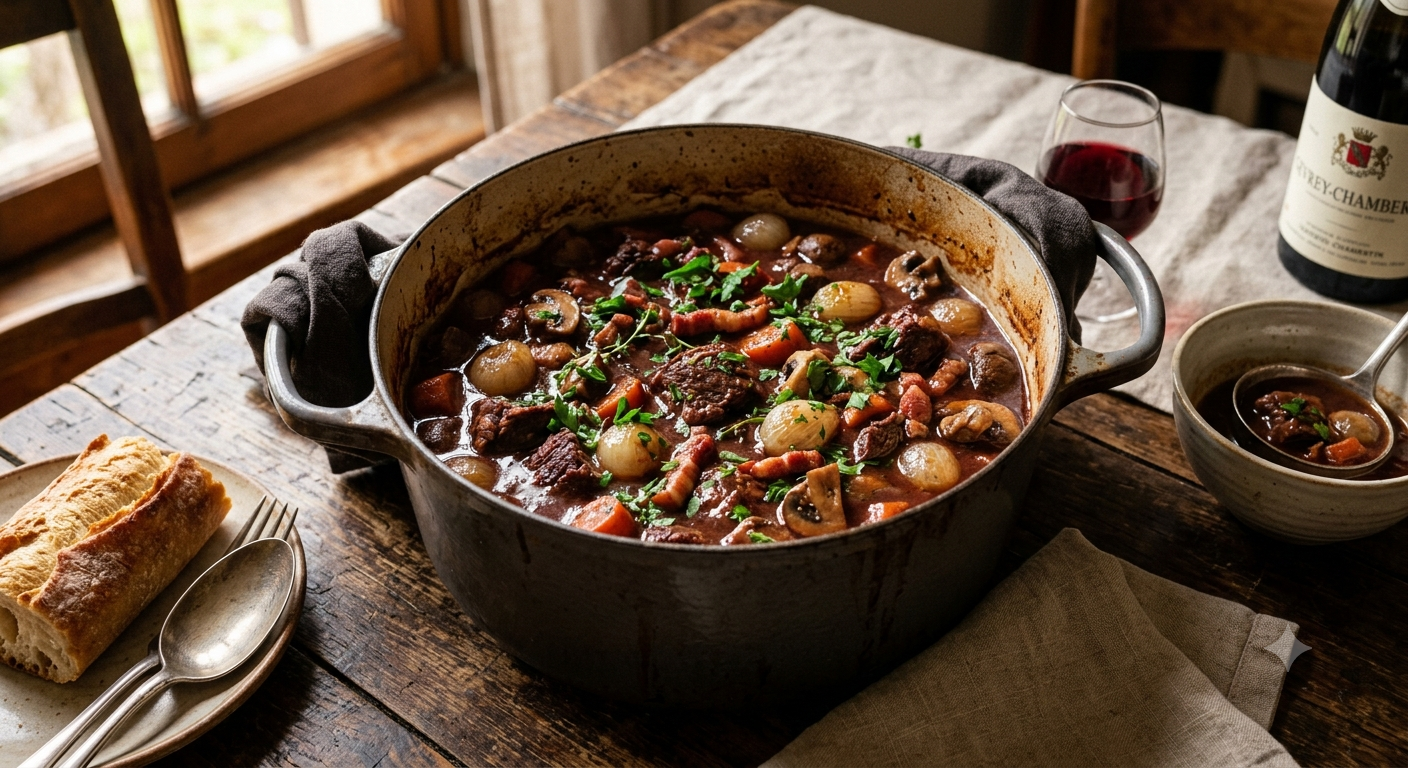 French
210 min
French
210 min
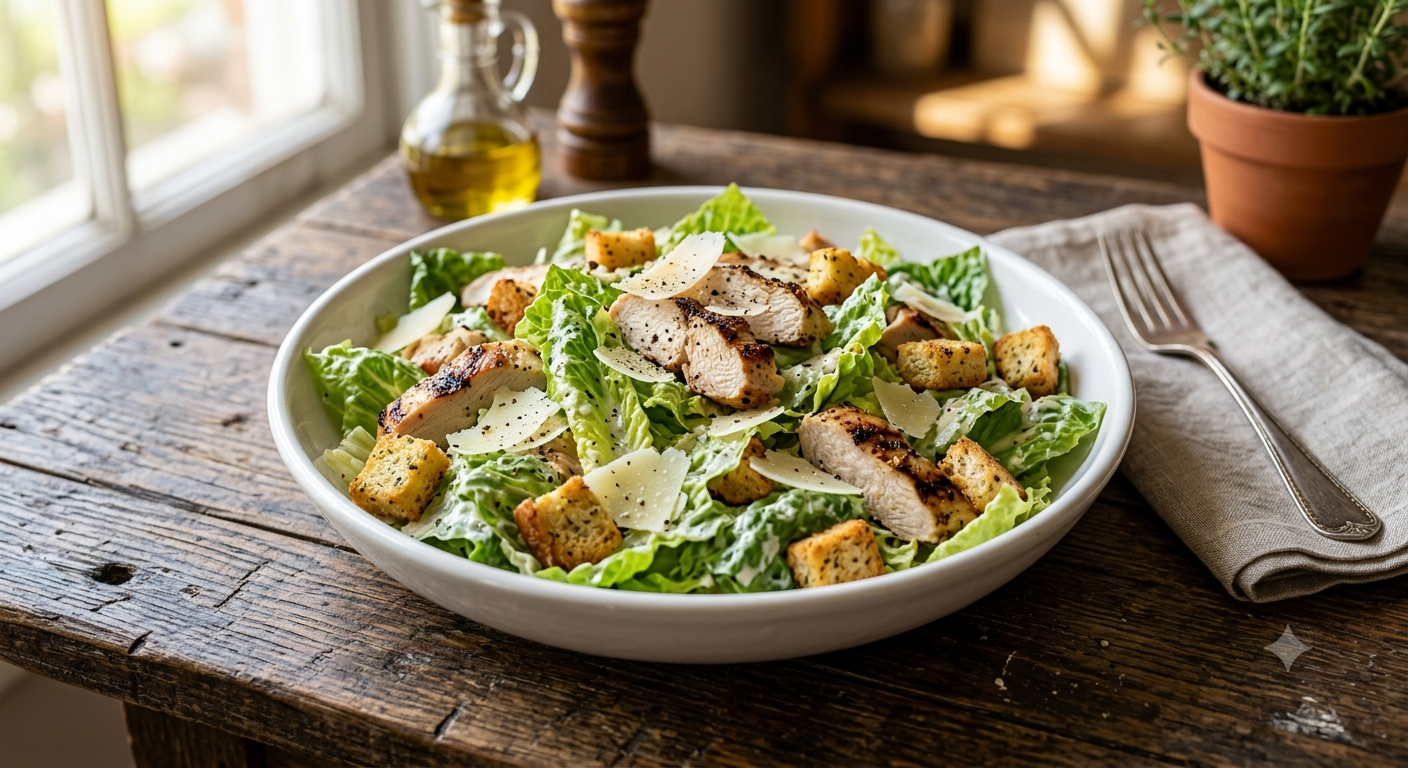 American
25 min
American
25 min
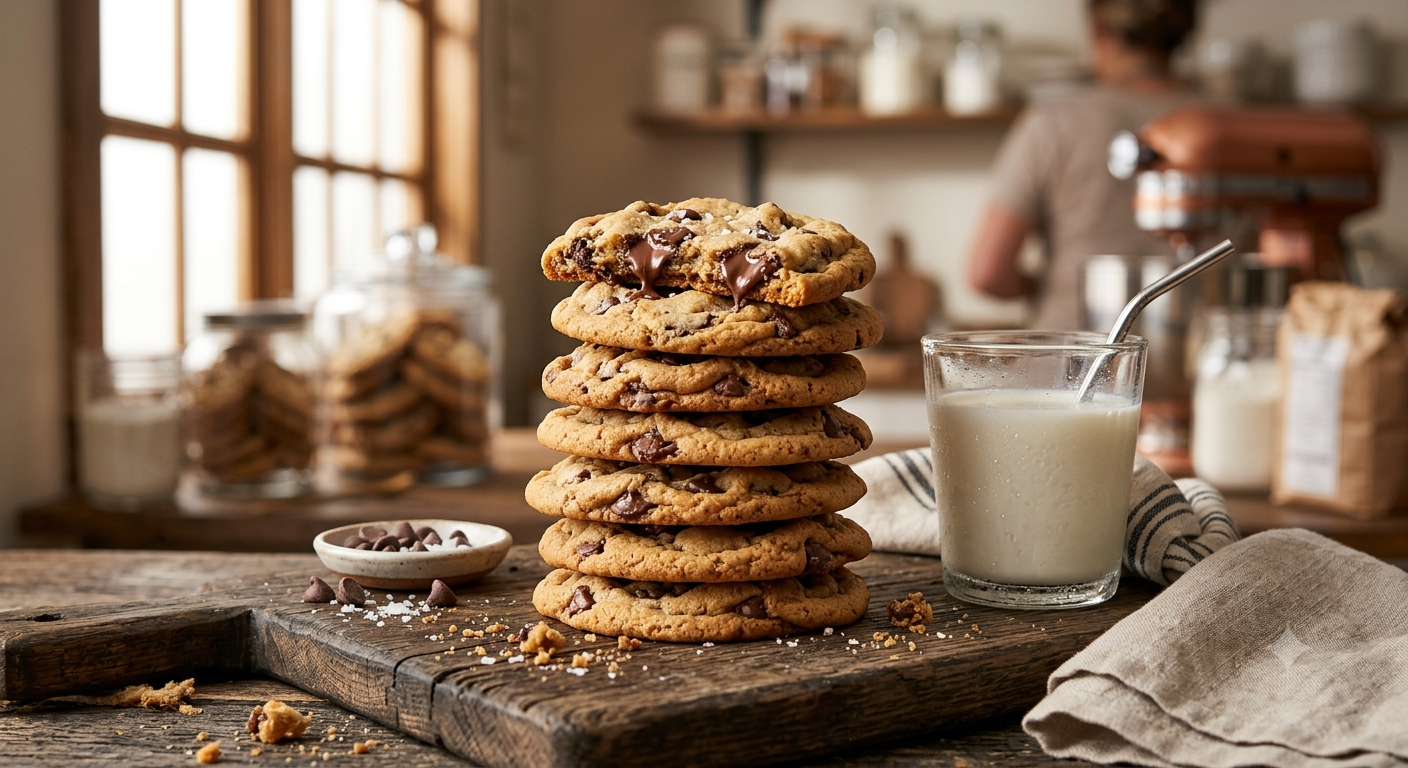 American
27 min
American
27 min
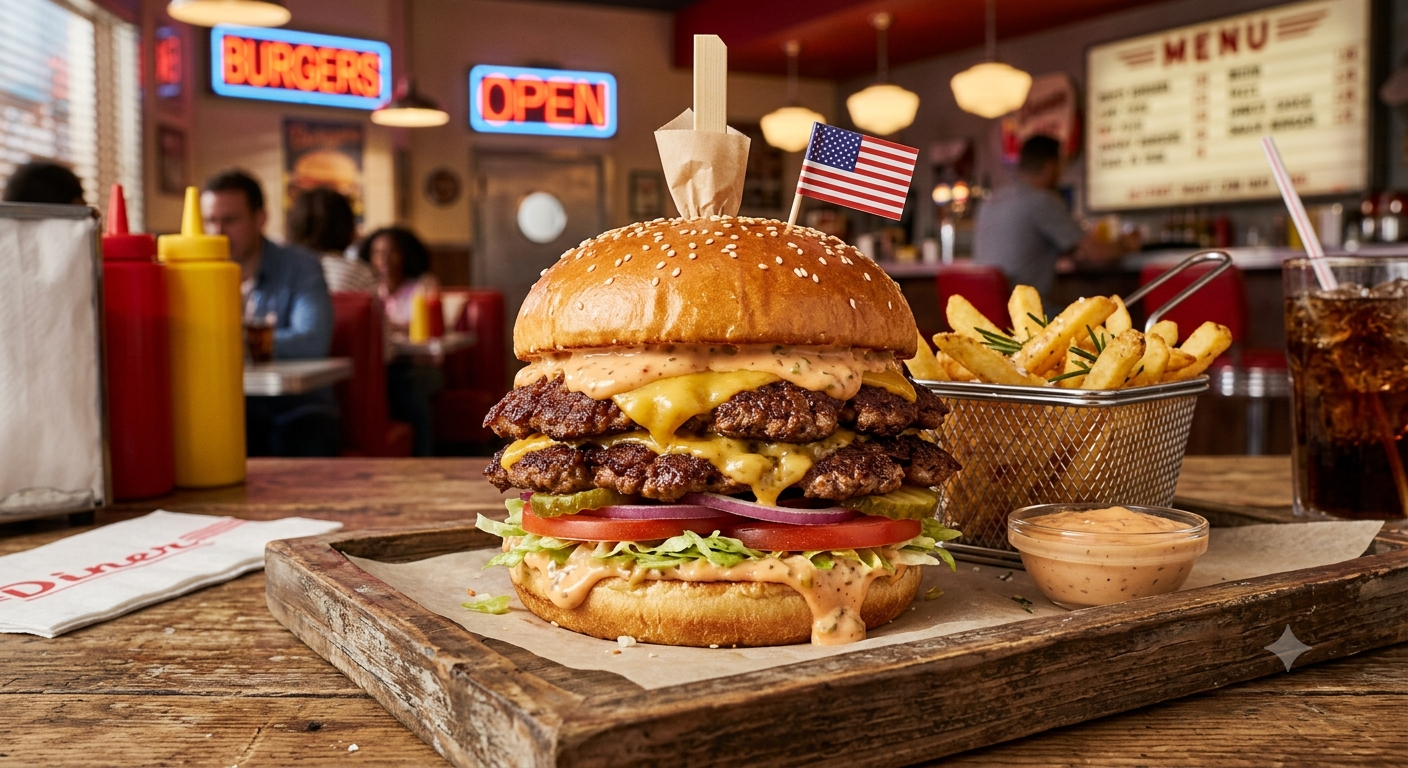 American
25 min
American
25 min
 Thai
25 min
Thai
25 min
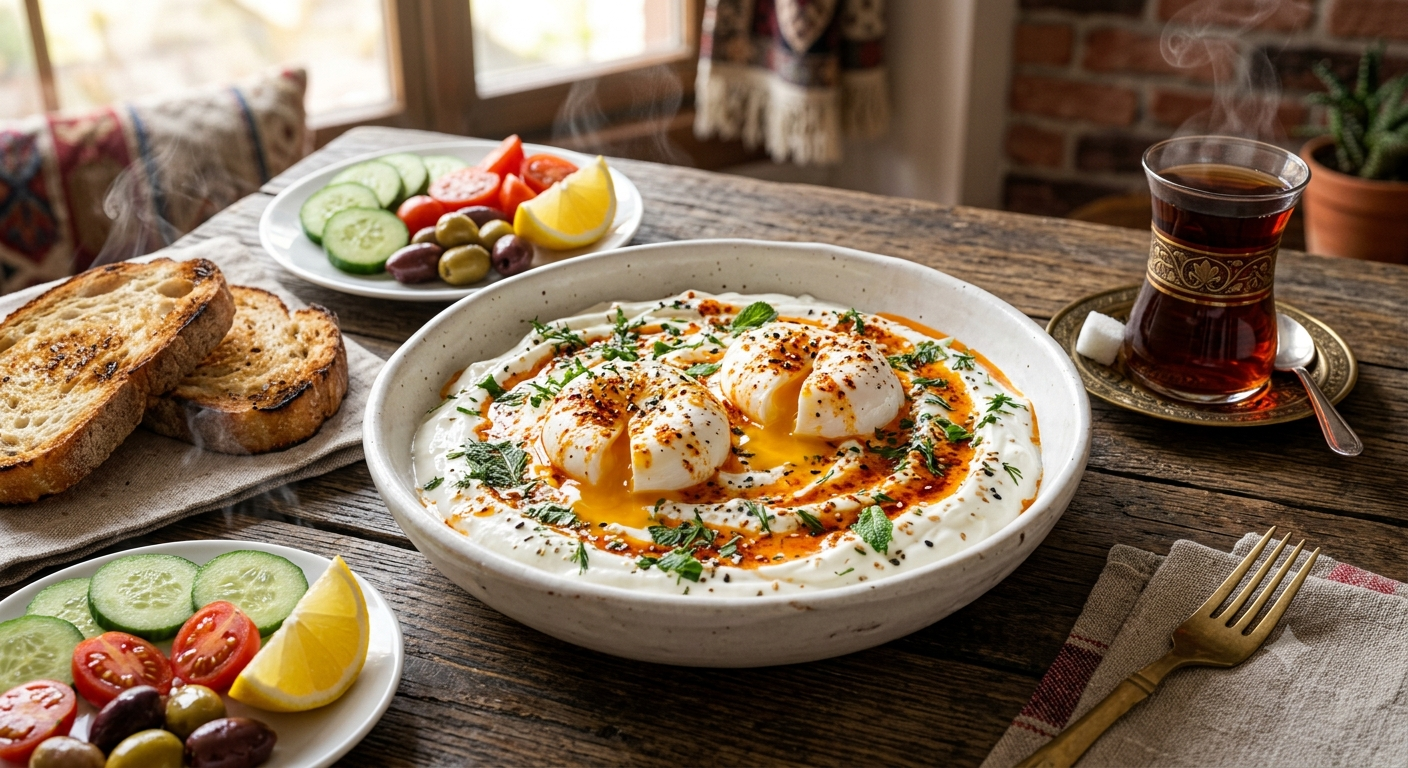 Turkish
15 min
Turkish
15 min
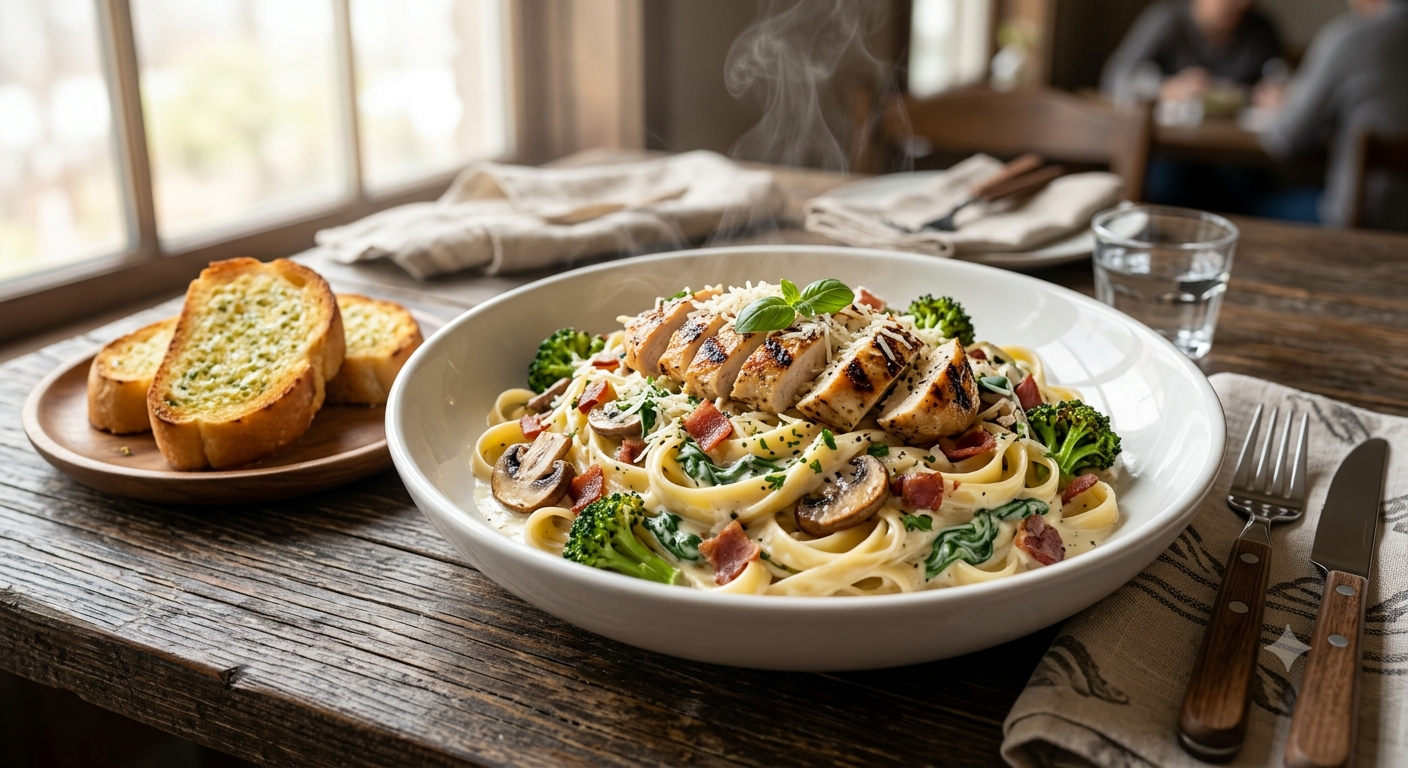 30 min
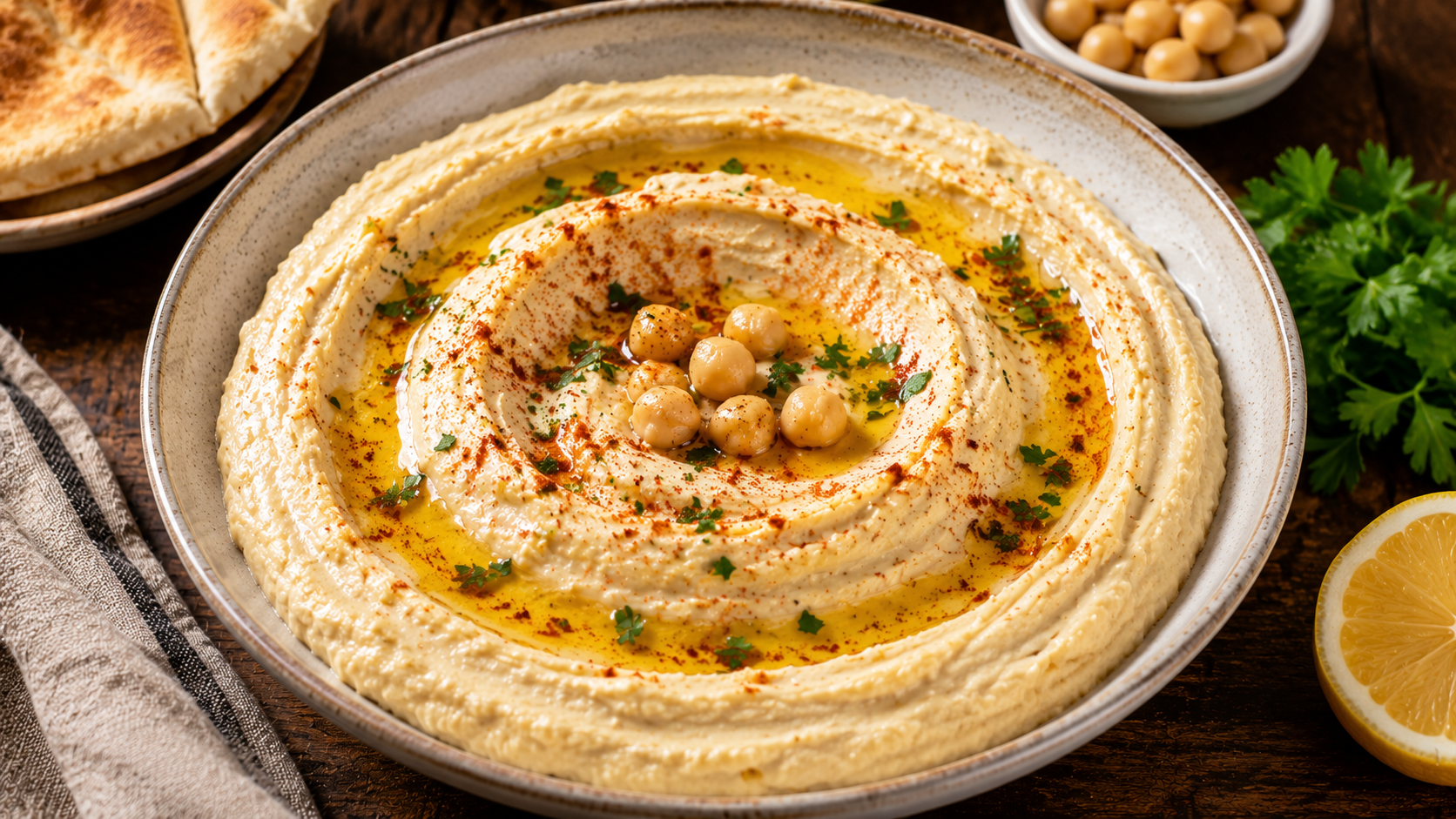 Middle Eastern
10 min
Middle Eastern
10 min
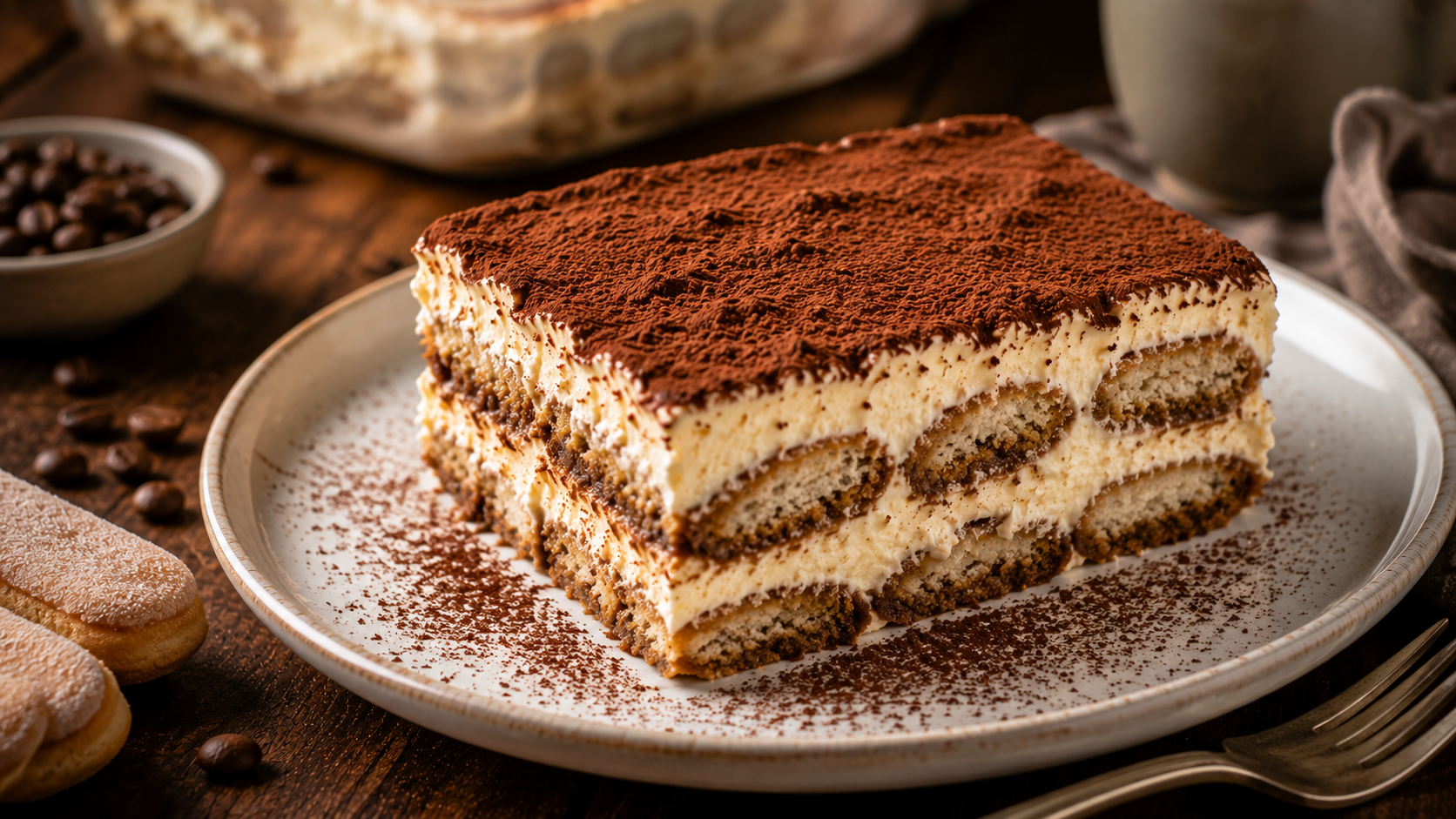 Italian
30 min
Italian
30 min
 Japanese
50 min
Japanese
50 min
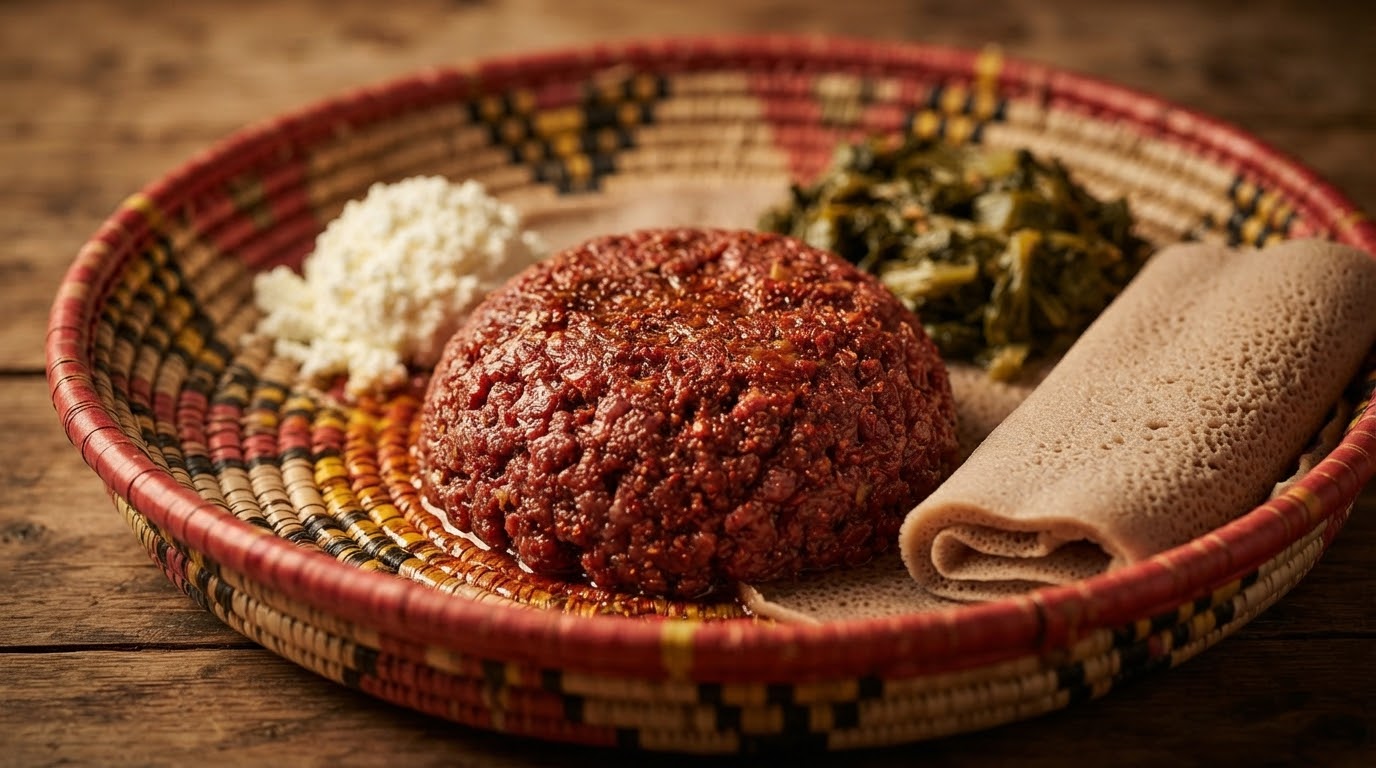 30 min
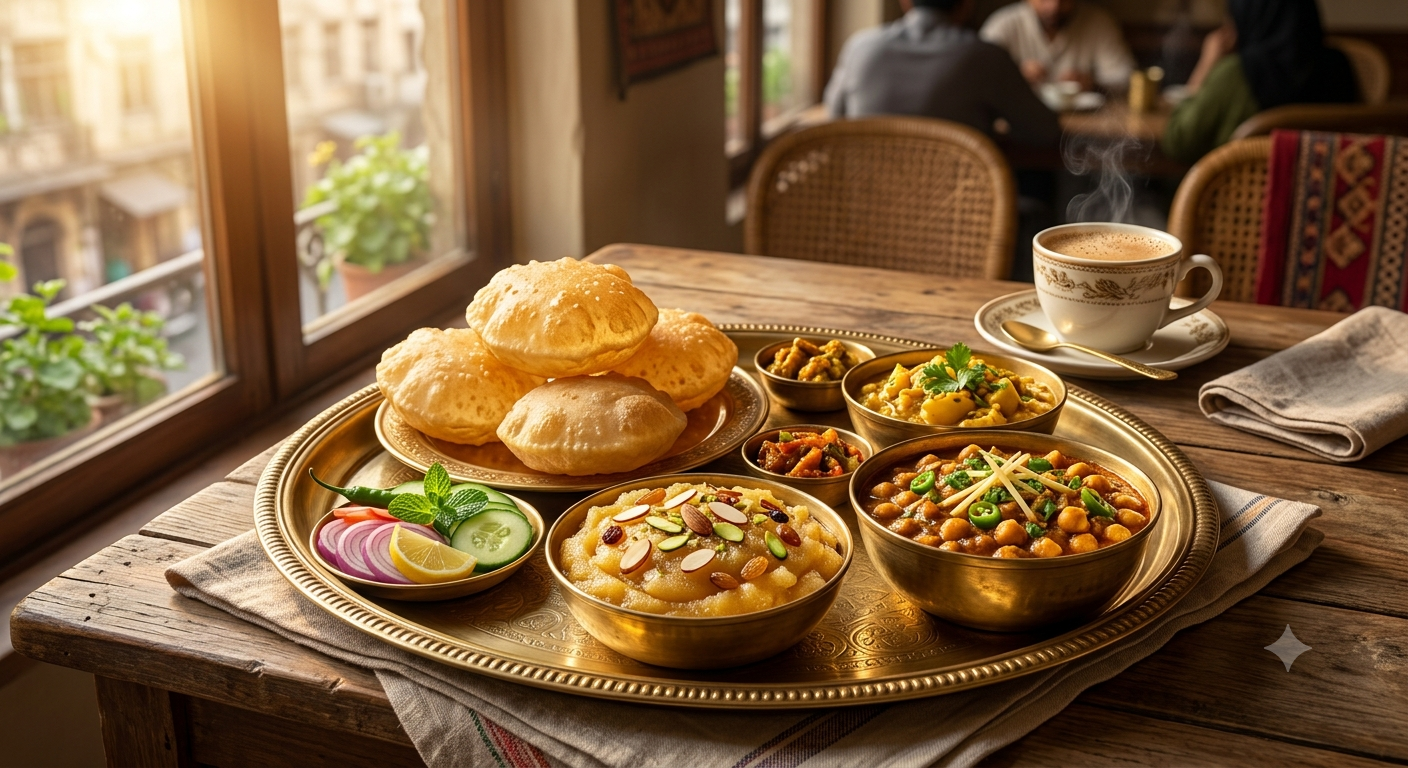 Pakistani
60 min
Turkish
15 min
Pakistani
60 min
Turkish
15 min
 Pakistani
45 min
Italian
30 min
Pakistani
45 min
Italian
30 min
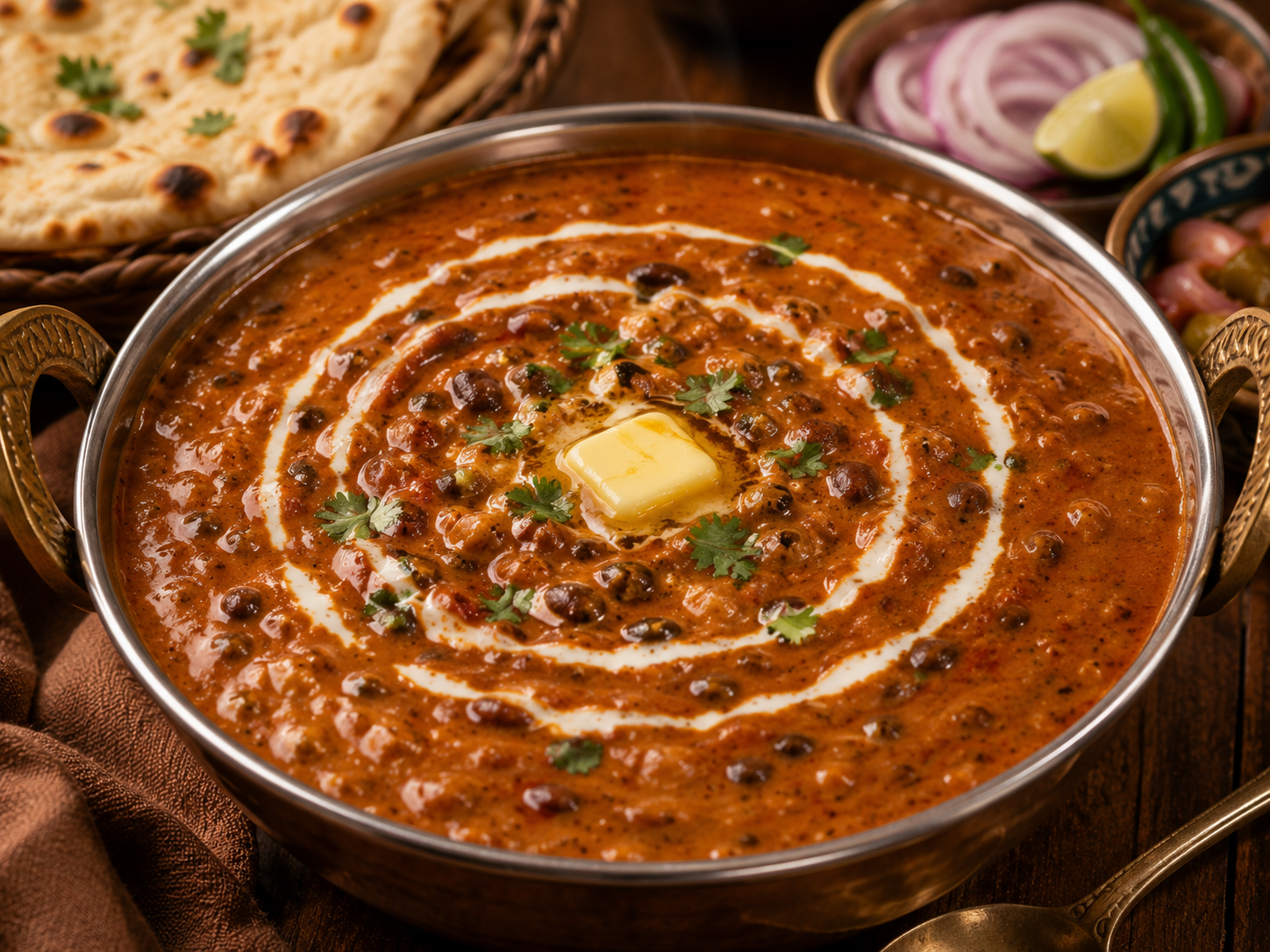 Indian
300 min
Indian
300 min
 Mexican
305 min
Mexican
305 min
Type at least 2 characters to search.
No discussion yet.