





Introduction
The year 2030 is expected to mark one of the most significant turning points in modern history. Unlike previous decades, where technological progress often felt separate from daily life, the next few years will bring a future where digital and physical experiences become almost impossible to distinguish. Artificial intelligence will no longer be viewed as a revolutionary tool—it will simply become part of everyday life, much like electricity, the internet, or running water.
From the way we work and receive healthcare to how cities are managed and energy is produced, nearly every aspect of society will undergo rapid transformation. Businesses are already investing billions of dollars into AI systems, renewable energy, biotechnology, and smart infrastructure, laying the foundation for a more connected and efficient world.
However, alongside these opportunities come important challenges. As technology becomes more integrated into our lives, concerns surrounding privacy, cybersecurity, employment, and digital autonomy will grow even stronger. The future will not simply be about smarter machines—it will also be about ensuring that technology continues to serve humanity rather than replace it.
Here are the biggest trends expected to shape the world by 2030.
The AI-Native Workforce
Artificial intelligence is rapidly transforming workplaces around the globe, and by 2030, AI will become the foundation of nearly every industry.
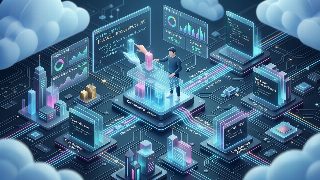
Instead of treating AI as a separate tool, businesses will integrate intelligent systems into everyday operations. Employees will collaborate with AI assistants that can analyze data, write reports, automate repetitive tasks, schedule meetings, generate presentations, and even assist in decision-making.
Many routine information-based jobs—including bookkeeping, basic accounting, legal document preparation, customer support, administrative work, and data entry—will become largely automated. Rather than replacing every worker, AI will handle repetitive processes while allowing humans to focus on strategic thinking and creative problem-solving.
Companies will increasingly operate with smaller but more productive teams. A department that once required ten employees may achieve similar or even better results with only three or four highly skilled professionals supported by AI systems.
This shift will place greater value on uniquely human skills such as leadership, communication, emotional intelligence, negotiation, ethical decision-making, creativity, and innovation.
Workers who understand how to collaborate with AI instead of competing against it will enjoy the greatest career opportunities throughout the next decade.
Healthcare Will Become Predictive Instead of Reactive
Healthcare is expected to experience one of the biggest technological revolutions by 2030.
Rather than waiting for people to become ill before beginning treatment, future healthcare systems will focus on predicting diseases before symptoms even appear.
One of the most exciting developments is the concept of the Personal Health Twin.
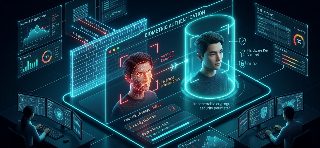
A digital health twin is an AI-powered virtual model of an individual that continuously monitors health information collected from wearable devices, medical records, genetic testing, and lifestyle habits.
This intelligent system may detect early warning signs for diseases such as diabetes, heart disease, or certain cancers long before traditional medical examinations.
Doctors will receive detailed health predictions, allowing them to recommend preventive treatments instead of emergency interventions.
Artificial intelligence will also analyze millions of medical records within seconds, helping physicians diagnose illnesses more accurately while reducing human error.
Medicine will become increasingly personalized.
Instead of prescribing identical treatments for every patient, doctors will create customized care plans based on genetics, age, environment, lifestyle, and medical history.
This transition toward precision medicine has the potential to increase life expectancy while significantly improving quality of life.
The Energy and Sustainability Revolution
Climate change remains one of humanity’s greatest challenges, but by 2030, significant progress is expected in clean energy and sustainable technologies.
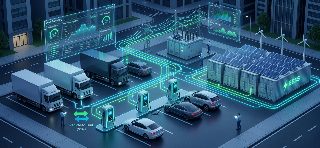
Renewable energy sources such as solar power, wind energy, and advanced battery storage will become more affordable and efficient than ever before.
Many countries are investing heavily in renewable infrastructure to reduce dependence on fossil fuels while lowering carbon emissions.
Researchers are also making progress toward commercial fusion energy, which could eventually provide enormous amounts of clean electricity with minimal environmental impact.
Another rapidly growing industry is bio-manufacturing.
Instead of relying entirely on traditional agriculture and resource-intensive manufacturing, scientists are developing laboratory-grown proteins, cultured meat, biodegradable plastics, and sustainable construction materials.
These innovations could reduce deforestation, conserve water, decrease greenhouse gas emissions, and improve global food security.
Businesses are also embracing circular economy principles by designing products that can be repaired, recycled, or reused instead of discarded after a single use.
Together, these developments represent one of the largest environmental transformations in modern history.
The Rise of Smart Megacities
Urbanization continues accelerating across Asia, Africa, and many developing regions.
By 2030, hundreds of millions of people will move into cities seeking better education, employment, and healthcare opportunities.
As populations grow, governments must rethink how cities operate.
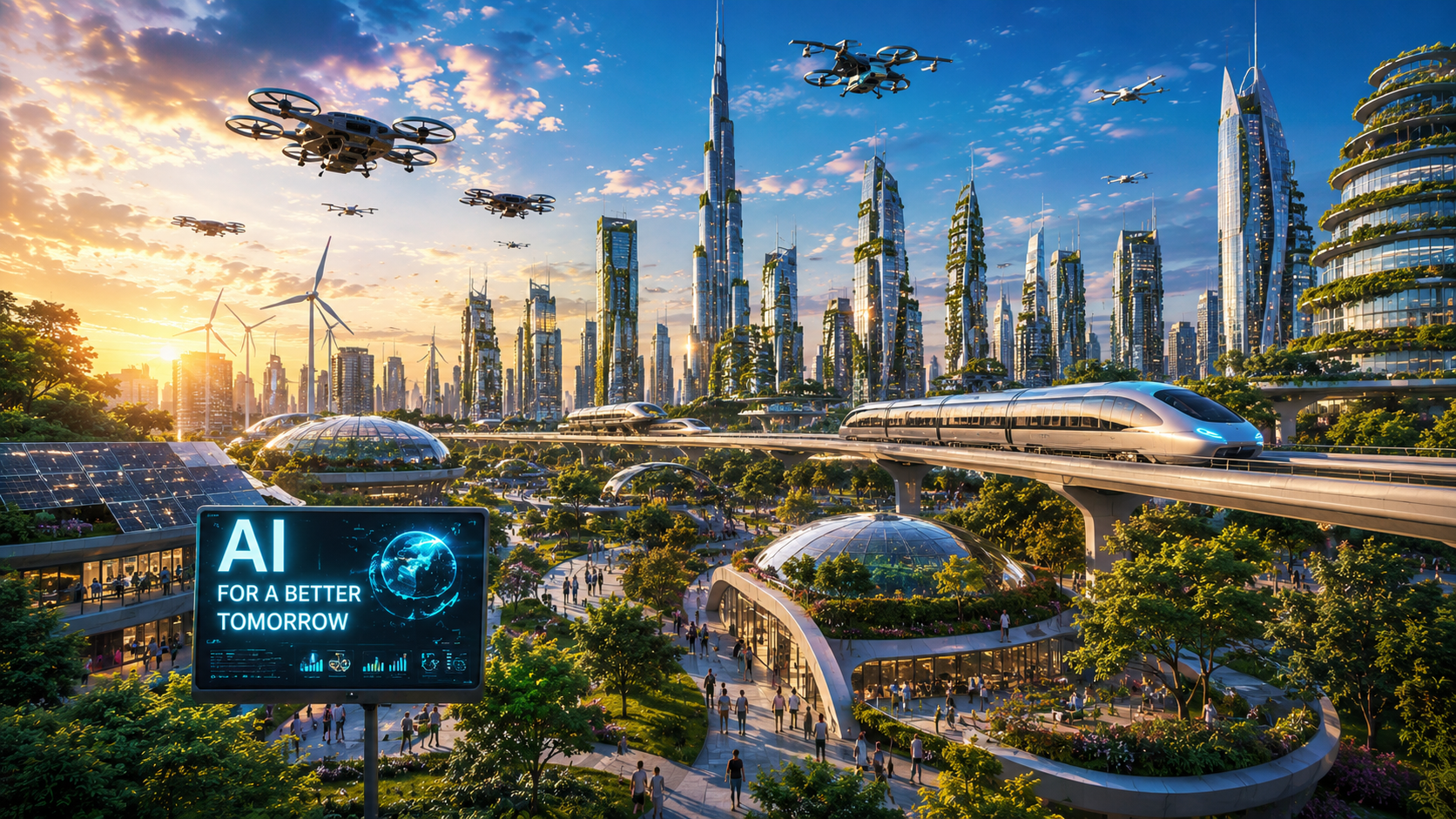
Future megacities will rely heavily on artificial intelligence, sensors, connected infrastructure, and real-time data.
Traffic systems will automatically adjust to reduce congestion.
Smart power grids will distribute electricity more efficiently.
Water management systems will monitor leaks before they become serious.
Public transportation networks will optimize routes using live passenger demand.
Waste collection services will operate according to real-time usage instead of fixed schedules.
These improvements will reduce costs while improving quality of life for millions of residents.
However, managing rapidly growing cities also presents enormous challenges.
Affordable housing, social equality, transportation, cybersecurity, and environmental sustainability will require careful planning to ensure cities remain livable for future generations.
The success of these smart cities will significantly influence global economic stability throughout the next decade.
Privacy Will Become One of Society’s Biggest Concerns
As artificial intelligence becomes more deeply integrated into daily life, concerns regarding personal privacy will continue increasing.
Modern technology already collects enormous amounts of information through smartphones, wearable devices, smart homes, online shopping, and social media platforms.
By 2030, this data collection will become even more sophisticated.
AI systems will understand people’s preferences, routines, health conditions, shopping habits, travel patterns, and communication styles with incredible accuracy.
While this personalization offers convenience, many individuals are becoming increasingly concerned about who controls their information.
As a result, experts expect strong growth in privacy-first technologies.
Personal data vaults will allow users to decide exactly who can access their information.
Encrypted communication platforms will become increasingly popular.
Privacy-focused smartphones and operating systems will attract consumers seeking greater control over their digital identities.
Governments around the world are also expected to introduce stronger regulations governing data collection, artificial intelligence, and cybersecurity.
The balance between convenience and privacy will become one of the defining social debates of the decade.
Education Will Evolve Alongside Technology
Traditional education is also changing rapidly.
By 2030, AI-powered tutors will provide highly personalized learning experiences for students of all ages.
Instead of following identical lesson plans, students will receive customized instruction based on their learning speed, strengths, weaknesses, and career goals.
Virtual classrooms, immersive simulations, and augmented reality will make learning more interactive than ever before.
Professionals will also embrace lifelong learning as industries continue evolving.
Rather than earning one degree and relying on it for an entire career, workers will continuously update their skills through online courses, micro-certifications, and AI-assisted training programs.
Adaptability will become one of the most valuable skills in the modern workforce.
Businesses Will Become More Intelligent
Artificial intelligence will transform business operations far beyond automation.
Companies will use predictive analytics to forecast customer demand, optimize supply chains, manage inventory, identify risks, and personalize marketing campaigns.
Customer service will become increasingly AI-driven through intelligent assistants capable of resolving many common issues instantly.
At the same time, human employees will focus on building relationships, solving complex problems, and providing empathy where technology cannot.
Small businesses will gain access to advanced technologies previously available only to large corporations, creating a more competitive and innovative marketplace.
Challenges That Cannot Be Ignored
Despite tremendous technological progress, the future also presents significant challenges.
Automation may displace certain jobs, requiring governments and educational institutions to support workforce retraining.
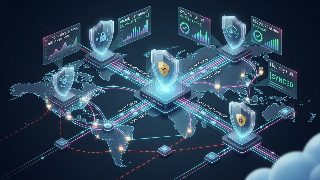
Cybersecurity threats will become increasingly sophisticated as digital systems expand.
Artificial intelligence will raise important ethical questions regarding accountability, transparency, and decision-making.
Economic inequality could widen if access to advanced technologies remains uneven across regions.
Successfully addressing these challenges will require cooperation among governments, businesses, researchers, and citizens worldwide.
Conclusion
By 2030, technology will no longer feel like a separate part of life—it will quietly operate in the background, helping people work more efficiently, receive personalized healthcare, live in smarter cities, and benefit from cleaner energy. Artificial intelligence, sustainable innovation, and digital infrastructure will reshape industries and improve everyday experiences in ways that are only beginning to emerge today.
Yet the future will not be defined solely by technological advancement. It will also depend on how society manages privacy, ethics, education, and equality in an increasingly connected world. The greatest opportunities will belong to individuals and organizations that embrace innovation while keeping human values at the center of progress.
The decade ahead promises remarkable change, and by 2030, the world is likely to look very different from the one we know today—not because technology replaces humanity, but because it becomes an invisible partner in helping people live healthier, smarter, and more sustainable lives.