




Spain Is Dreaming Again: Inside the Fan Frenzy Before the World Cup Final
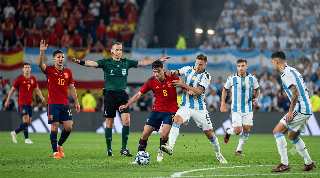
Spain is preparing for a night that could become part of the country’s football history. Sixteen years after La Roja lifted its first World Cup, a new generation has carried the national team into the 2026 final against Argentina.
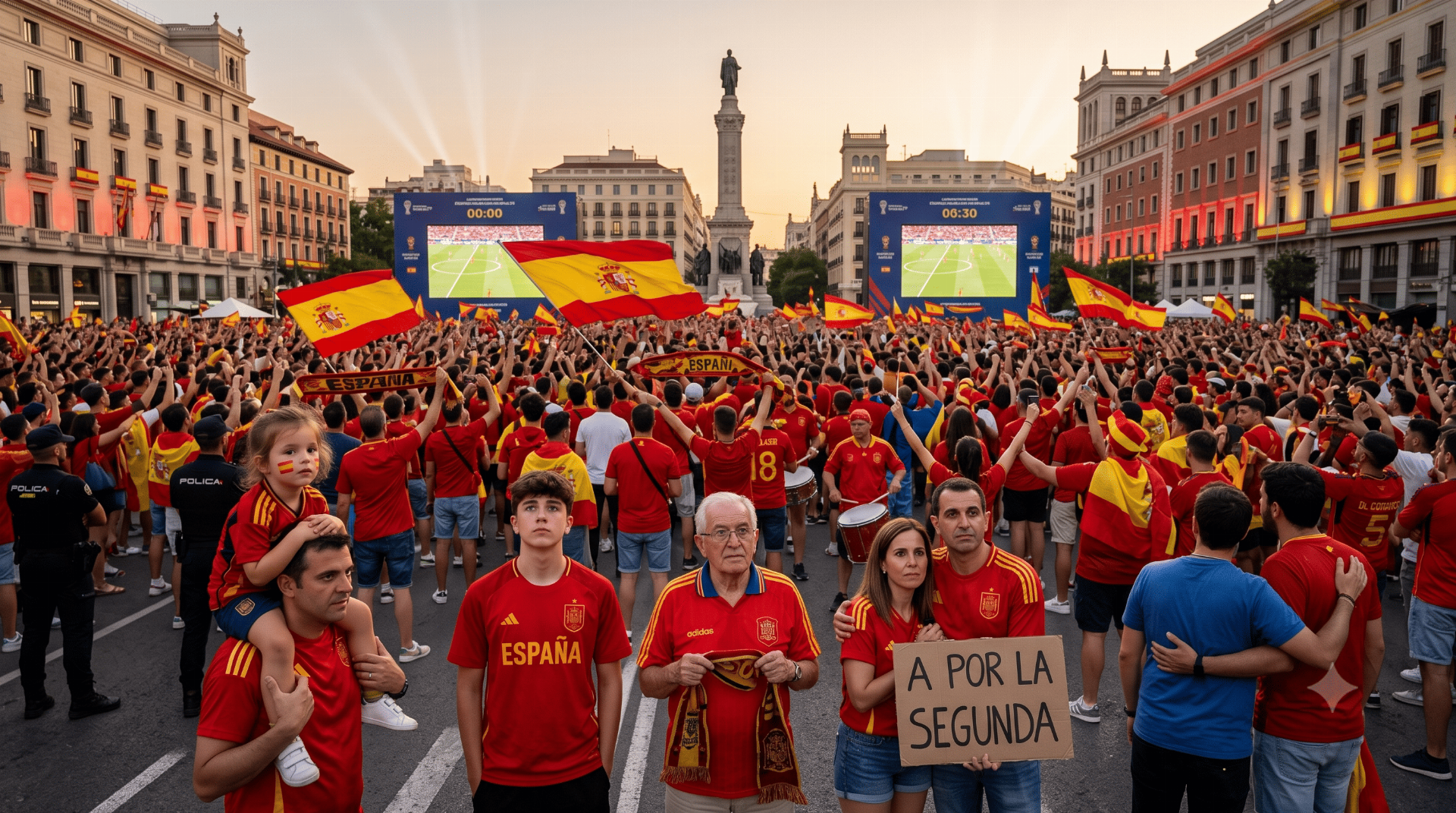
Madrid is turning red and yellow, public viewing spaces are filling rapidly and supporters are reorganising their weekends around one match. Some are preparing to watch from packed city squares, while others are spending extraordinary amounts to reach New Jersey and witness the final inside the stadium.
The excitement is not built only around winning another trophy. It is also connected to the belief that Spain has discovered a new football identity capable of defining the next decade.
Spain Has Waited 16 Years for This Moment
Spain’s 2010 World Cup victory remains one of the greatest moments in the country’s sporting history. Andrés Iniesta’s extra-time goal against the Netherlands completed an era in which La Roja also won two European Championships.
The years that followed were more difficult. Spain suffered early eliminations, painful defeats and repeated questions about whether its possession-based style had become too predictable.
The 2026 team has changed that conversation. Spain have returned to the final with a younger, faster and more direct side that can dominate possession without depending on possession alone.
For older supporters, Sunday’s match offers a chance to relive the emotion of 2010. For younger fans, it could become their first memory of Spain competing for football’s biggest prize.
Madrid Is Preparing for an Enormous Public Gathering
Madrid authorities have prepared major public viewing areas for the final. Two giant screens have been installed around Plaza de Colón, with plans to accommodate approximately 20,000 supporters. Another viewing area at Puente del Rey in Madrid Río has space for around 15,000 people.
Giant screens are also being organised in municipalities across the Madrid region, while transport services and road arrangements are being adjusted for the expected crowds. Authorities have prepared a possible victory celebration route toward Plaza de Cibeles should Spain win the trophy. :contentReference[oaicite:0]{index=0}
The scale of the preparations demonstrates how the final has moved beyond regular sports coverage. It is becoming a national public event, with families, friends and entire neighbourhoods planning to experience the match together.
Thousands of Free Viewing Tickets Disappeared Rapidly
The demand for organised public screenings has revealed the intensity of Spain’s excitement. Around 15,000 free invitations for a screening at Madrid’s Movistar Arena were claimed in approximately 90 minutes.
In Logroño, 4,500 free invitations for another large-screen viewing event were distributed in only 32 minutes. These rapid sell-outs show how strongly supporters want to experience the final inside a collective atmosphere rather than watching alone at home. :contentReference[oaicite:1]{index=1}
Many fans may not have the money or opportunity to travel to the United States, but the giant-screen events allow them to create a stadium-like experience inside Spain.
Spanish Supporters Are Paying Extraordinary Prices
For supporters determined to attend the final in person, the financial challenge is enormous. Officially available tickets have reportedly reached several thousand euros, while premium hospitality and resale listings have risen much higher.
The least expensive official listings were reported at roughly €6,400 to €7,000 shortly before the final. Madrid-to-New York flights were also being offered at approximately €1,500 to €1,800, before accommodation, transport and food were included. :contentReference[oaicite:2]{index=2}
For an ordinary supporter, attending the final may require years of savings. Yet some fans are still willing to make the journey because they believe this could be a once-in-a-generation opportunity.
The sacrifices also highlight an uncomfortable reality: the world’s biggest football match has become inaccessible to many of the supporters who create its atmosphere. Spain’s passion is enormous, but much of it will be expressed from public squares, homes, bars and local fan zones rather than inside the stadium.
Even Mobile Networks Have Joined the Support
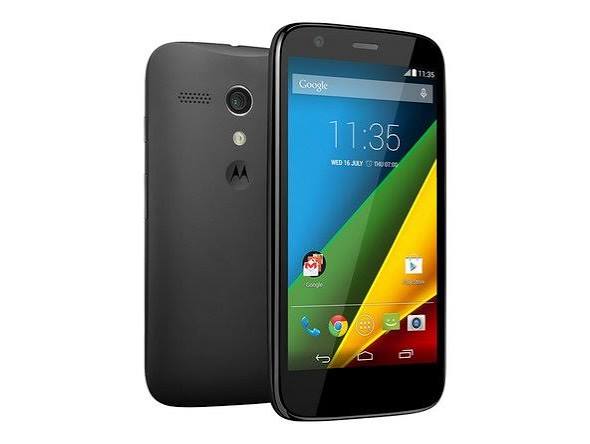
The excitement has extended beyond flags and football shirts. Spain’s largest mobile operators temporarily changed the network names displayed on customers’ phones to messages supporting the national team.
Movistar used “ConLaSelección,” Orange adopted “TodoUnEquipo,” and Vodafone displayed “APorLaSegunda,” referring to Spain’s pursuit of a second World Cup title. The change did not affect mobile service, but it placed the national team directly onto millions of screens across the country. :contentReference[oaicite:3]{index=3}
It is an unusual example of how widely the final has entered everyday Spanish life. For many people, reminders of the match now appear on television, streets, shop windows, social media and even at the top of their mobile phones.
Red and Yellow Are Taking Over Spanish Cities
Supporters are hanging flags from balconies, decorating restaurants and preparing viewing parties across Madrid, Barcelona, Valencia, Seville, Bilbao and other cities.
Bars expect large crowds, families are arranging evening meals around kickoff and local authorities are preparing public spaces for supporters who want to watch together.
Spain’s football culture is often expressed differently across regions and clubs. Real Madrid, Barcelona, Atlético Madrid, Athletic Club, Sevilla and other fan bases rarely agree for long. The national team, however, has created a moment in which those club rivalries can temporarily disappear.
For one night, supporters who normally argue over domestic football will wear the same colours and hope for the same result.
A New Generation Has Changed the Mood Around La Roja
Much of the excitement surrounding Spain comes from the youth and personality of the team. Lamine Yamal has become the symbol of a generation that plays without appearing afraid of the occasion.
Alongside players such as Nico Williams, Pedri and Pau Cubarsí, he represents a future that Spanish supporters believe could produce success for many years.
Experienced leaders such as Rodri provide balance, authority and control, while the younger players bring speed and unpredictability. That mixture has allowed supporters to believe that Spain are not simply enjoying one exceptional tournament.
There is a growing feeling that this final may be the beginning of another important era.
Spain’s Victory Over France Changed Belief Into Expectation
Before the semifinal, reaching the final remained a dream. After Spain defeated France 2-0 with a controlled and disciplined performance, that dream became a serious expectation.
Spain did not simply survive the semifinal. They restricted one of the tournament’s strongest teams and demonstrated that their football could succeed under enormous pressure.
The performance strengthened belief among supporters that La Roja can also overcome Argentina. However, greater belief creates greater pressure. Fans now understand that Spain are only one match away from the trophy, making the possibility of defeat feel more painful.
The Final Is Also Lamine Yamal Against Lionel Messi
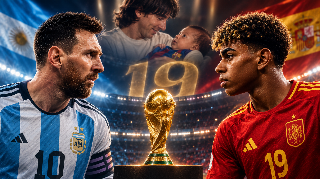
The final has been promoted as a meeting between two football generations. Lionel Messi is attempting to lead Argentina to another world title at the age of 39, while Lamine Yamal has emerged as the leading symbol of Spain’s future.
Spanish supporters recognise Messi’s historical importance, but their focus is on the possibility that Yamal can produce a defining performance of his own.
The comparison creates a powerful story: one global icon approaching the end of his World Cup journey and one young star taking his first steps toward football’s greatest stage.
However, Spain’s supporters also understand that the final cannot be reduced to two individuals. Their confidence comes from the collective strength of the team rather than dependence on one player.
Why Spanish Fans Believe This Team Can Win
Spain’s supporters have several reasons for confidence. The team have defended with discipline, controlled matches through midfield and created chances through both wings.
They have also shown that they can win in different ways. Spain can dominate possession, press aggressively after losing the ball or remain patient against opponents defending deep.
The greatest source of confidence is the team’s calmness. Even when matches become tense, Spain rarely appear rushed. That control could be essential against an Argentina side experienced in turning pressure and emotion into an advantage.
What Would Victory Mean for Spain?
A victory would give Spain its second men’s World Cup and confirm the return of La Roja to the summit of international football.
It would also connect two different generations. The heroes of 2010 would no longer stand alone, and today’s young supporters would gain their own images, goals and celebrations to remember.
Madrid’s major squares would likely fill through the night, while celebrations would spread across the country. A planned team parade could carry the players toward Plaza de Cibeles, one of the capital’s most recognisable celebration points. :contentReference[oaicite:4]{index=4}
For Yamal, Williams, Pedri and the rest of Spain’s younger core, victory could mark the beginning of a period in which La Roja enter every major tournament among the favourites.
What Happens If Spain Lose the Final?
A defeat would produce widespread disappointment, particularly after the confidence created by the semifinal victory over France.
Public squares could fall silent, supporters would analyse missed chances and tactical decisions, and the pain of coming within one match of the trophy would remain for some time.
However, losing to Argentina would not make Spain’s campaign a failure. Reaching a first World Cup final since 2010 with a young squad would remain a major achievement.
The tournament has already restored belief in the national team and introduced a generation capable of competing for future European and world titles.
Supporters should also remember that disappointment never justifies violence, vandalism, abuse or hostility toward rival fans. Whether Spain win or lose, public gatherings must remain safe and respectful.
The Main Safety Concerns Around the Final
Large public events can create risks unrelated to the result. Overcrowding, alcohol, fireworks and uncontrolled movement may cause injuries even when supporters intend only to celebrate.
Fans attending Madrid’s major viewing areas should follow transport instructions, avoid blocking emergency routes and respect the crowd limits established by organisers.
Parents accompanying children should select clear meeting points, while groups should avoid climbing monuments, traffic lights or temporary structures.
The final could become an unforgettable national memory, but no result is worth placing supporters or emergency workers in danger.
Spain Faces Its Greatest Test Against Argentina
Argentina enter the final as defending champions and possess a squad experienced in surviving high-pressure knockout matches.
Spain may control more possession, but Argentina can punish mistakes through quick transitions and moments of creativity from Messi and their attacking players.
The supporters gathered across Spain will provide emotional energy, but the players must remain detached from the noise. The match is likely to be decided by concentration, defensive discipline and the ability to remain calm during its most difficult moments.
Final Verdict
Spain’s supporters are approaching the World Cup final with a combination of confidence, nervousness and renewed national pride.
They have claimed thousands of public-screening tickets within minutes, transformed city squares into fan zones, decorated streets in red and yellow and, in some cases, accepted extraordinary travel costs to reach New Jersey.
The excitement is also about more than Sunday’s result. Spain have rediscovered a team that supporters can recognise, trust and imagine following for years.
Victory would unleash historic celebrations and deliver the country’s second World Cup. Defeat would hurt, but it would not erase the progress or the sense that another great Spanish generation has arrived.
Whatever happens against Argentina, the belief surrounding La Roja has already returned. Spain is dreaming again, and an entire country is preparing to live every second of the final together.