





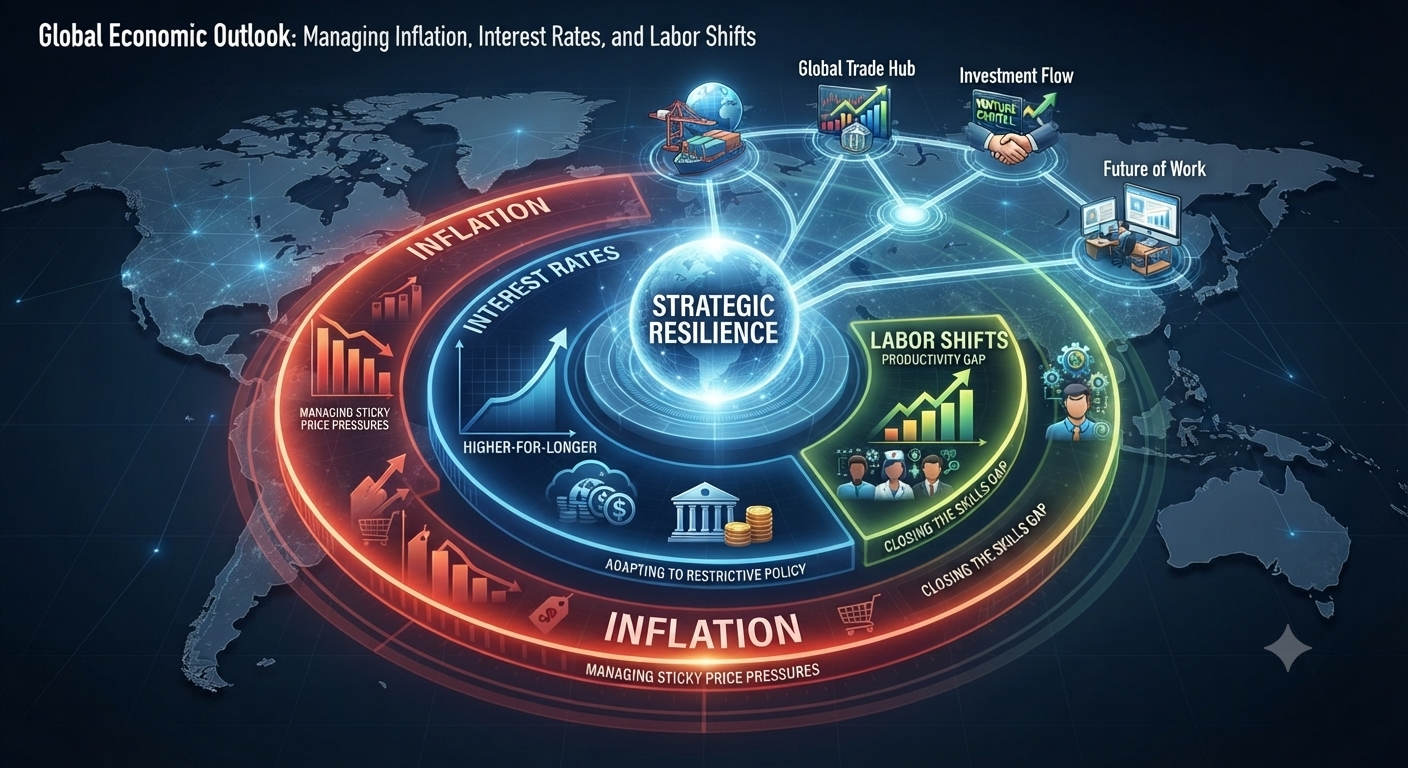
Global Economic Outlook: Managing Inflation, Interest Rates, and Labor Shifts
An analytical look at shifting fiscal policies, global market conditions, and what workers and enterprises should expect regarding growth versus recession risks.
News
Discover what to watch next.
Movies, series, and anime with guides, lists, and comparisons.
Discover MoviesExpert reviews you can trust.
In-depth, independent reviews for phones, cars, and recipes — so you buy and cook with confidence.
Discover PhonesDevices & Vehicles
Free tools that save time.
PDF, image, text, SEO, and developer utilities — fast and free to use.
Search ToolsCategories
AI that helps you move faster.
Chat, search, and automation built around FindEdition content.
Explore AI NewsAsk, share, and learn together.
Questions, discussions, and creator spaces powered by real people.
Ask a QuestionCommunity
Legal
Partners
Build with FindEdition.
API portal, documentation, and technical resources for developers.
Read DocumentationCompany
About Contact Careers Press SupportLegal
Privacy Terms Editorial Policy Cookies DMCAPartners
Documentation API PortalPlatform
API Portal ResearchQuick Links
Search Tools Support AI AssistantPolicies
API Terms Privacy Partner Inquiry7 results for “labor market” 69.5 ms
An analytical look at shifting fiscal policies, global market conditions, and what workers and enterprises should expect regarding growth versus recession risks.
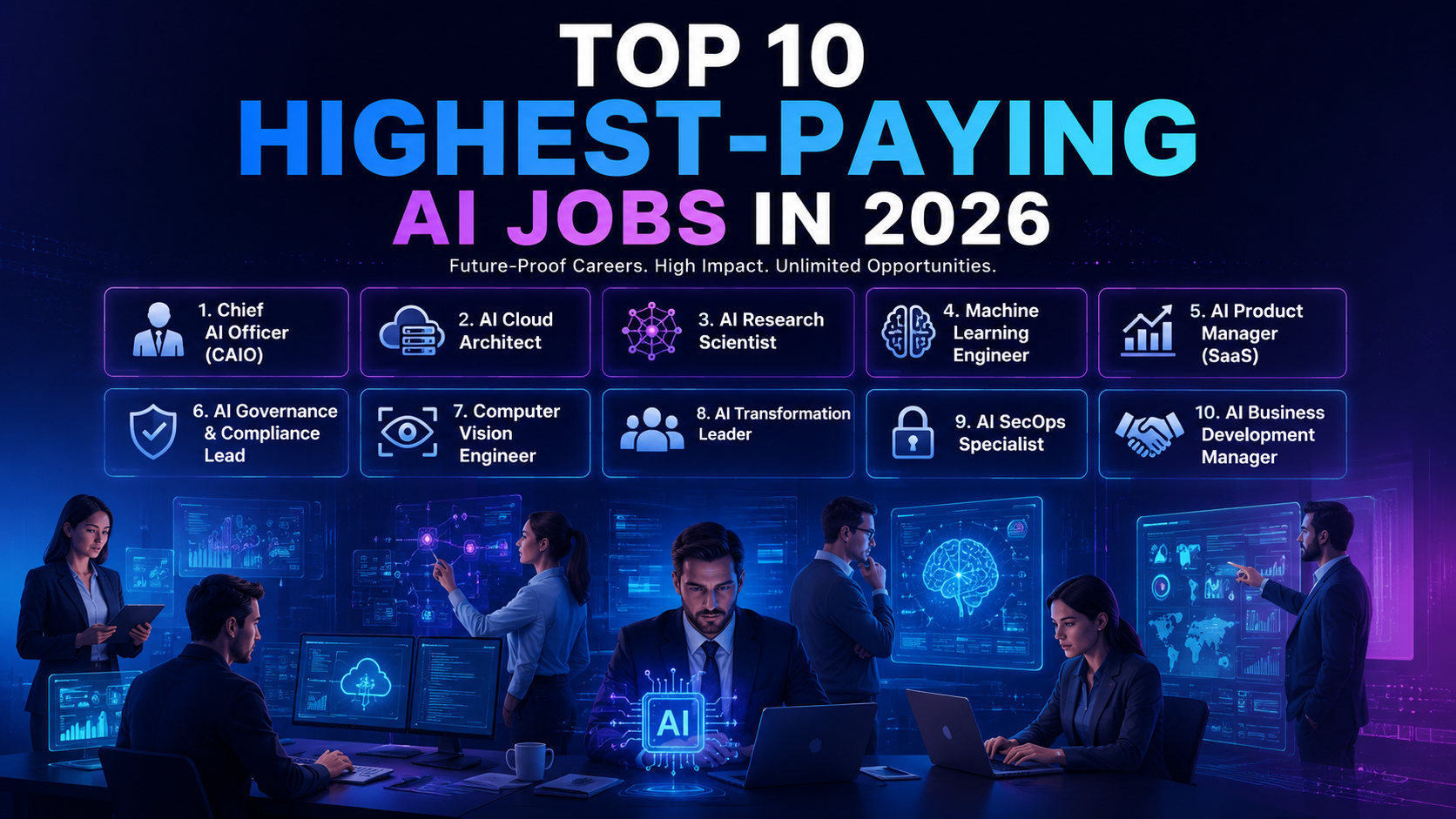
As we reach mid-2026, the "AI premium" is no longer a temporary trend—it is a structural shift in the global labor market. Workers with specialized AI skills are now commanding a 62% wage premium over their peers. While basic AI proficiency is becoming a standard expectation, truly elite compensation is reserved for professionals who can architect, govern, and deploy AI systems at scale.
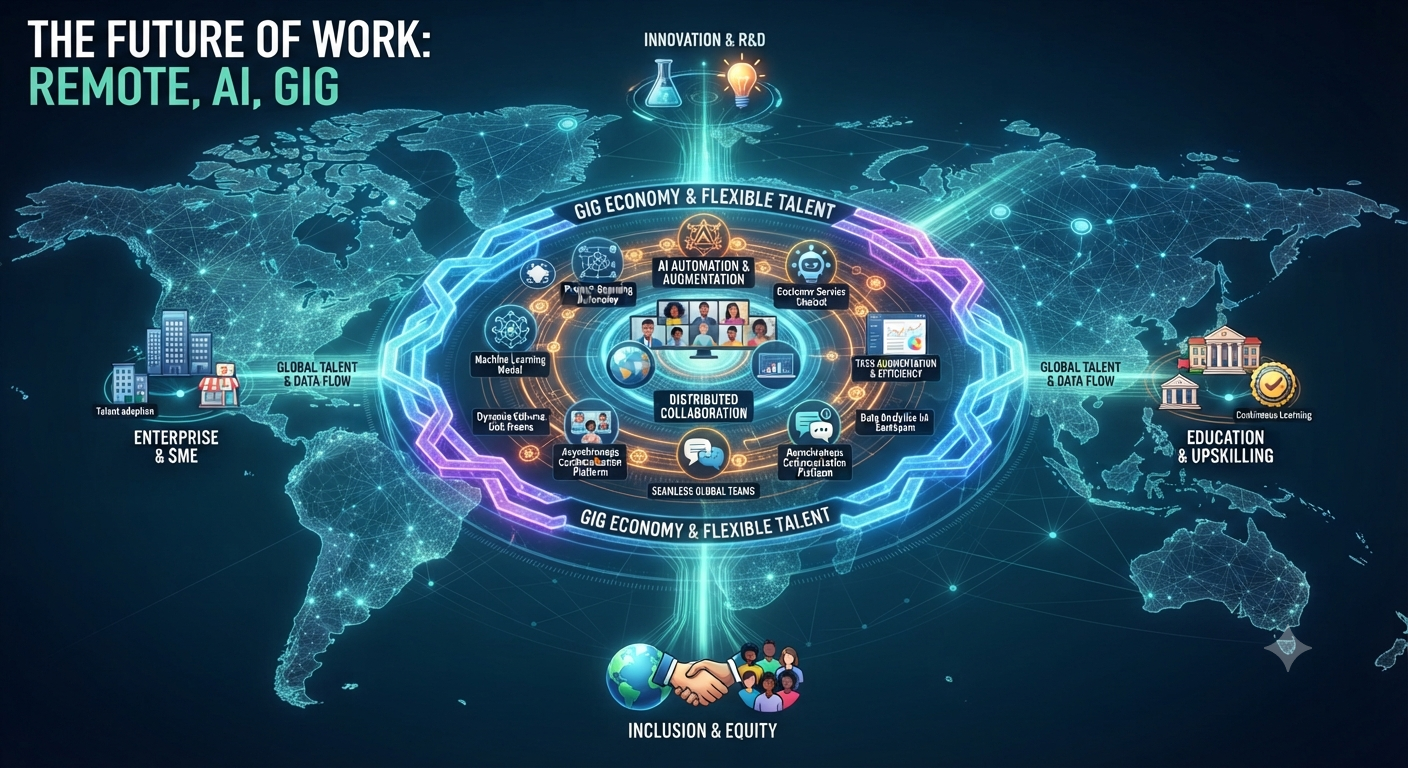
Examine how distributed workforce models, generative AI task automation, and flexible freelance ecosystems are redefining traditional employment structures.
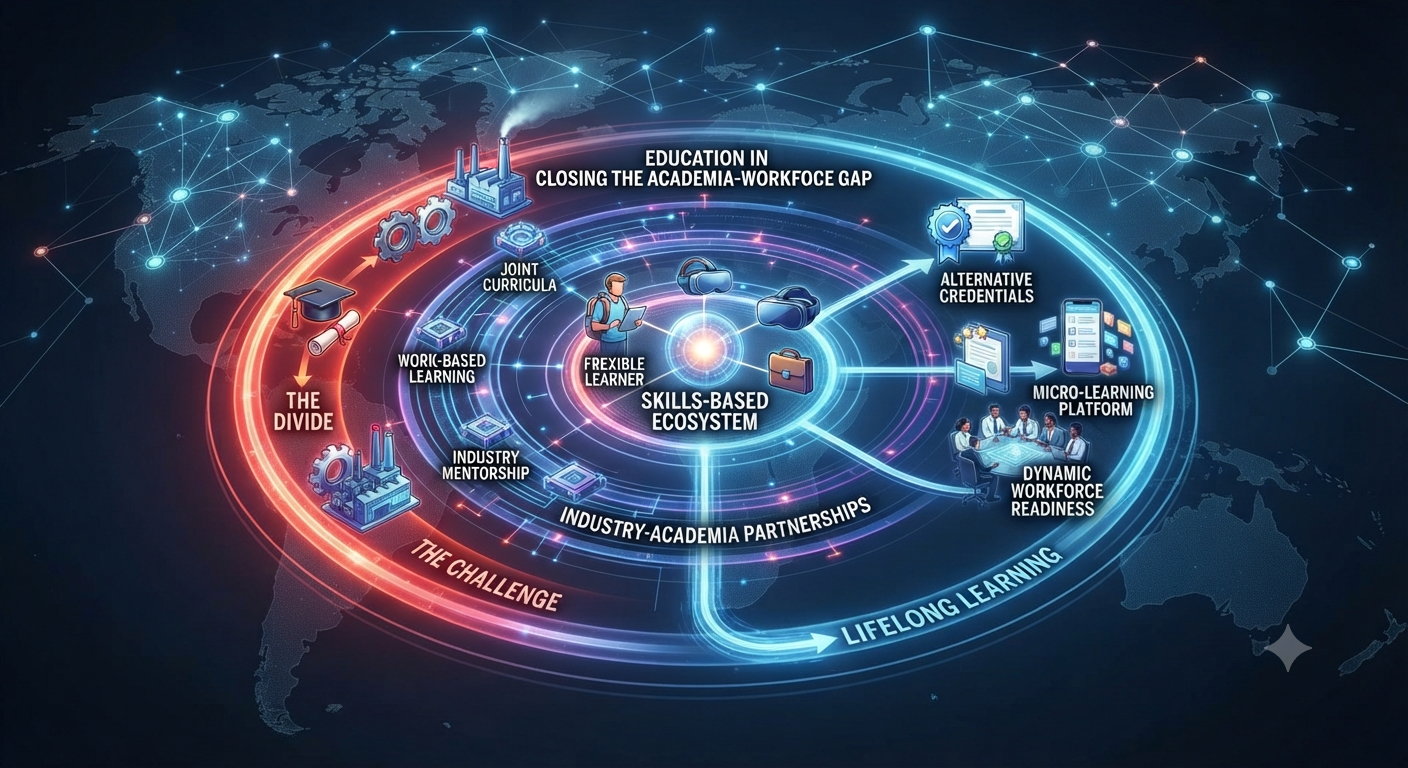
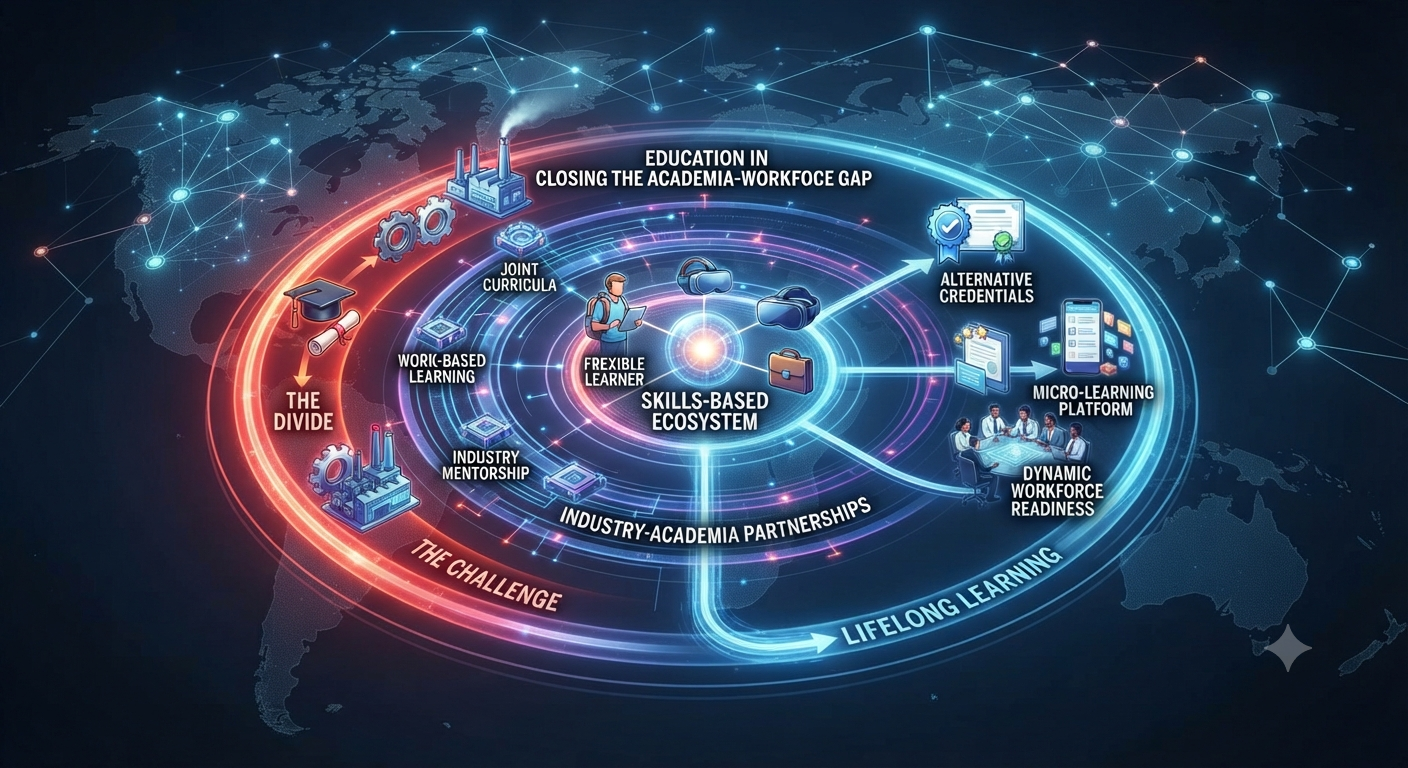
Explore why traditional academic curricula are facing pressure to adapt, leading to the rise of industry partnerships and alternative, skills-based credentials.
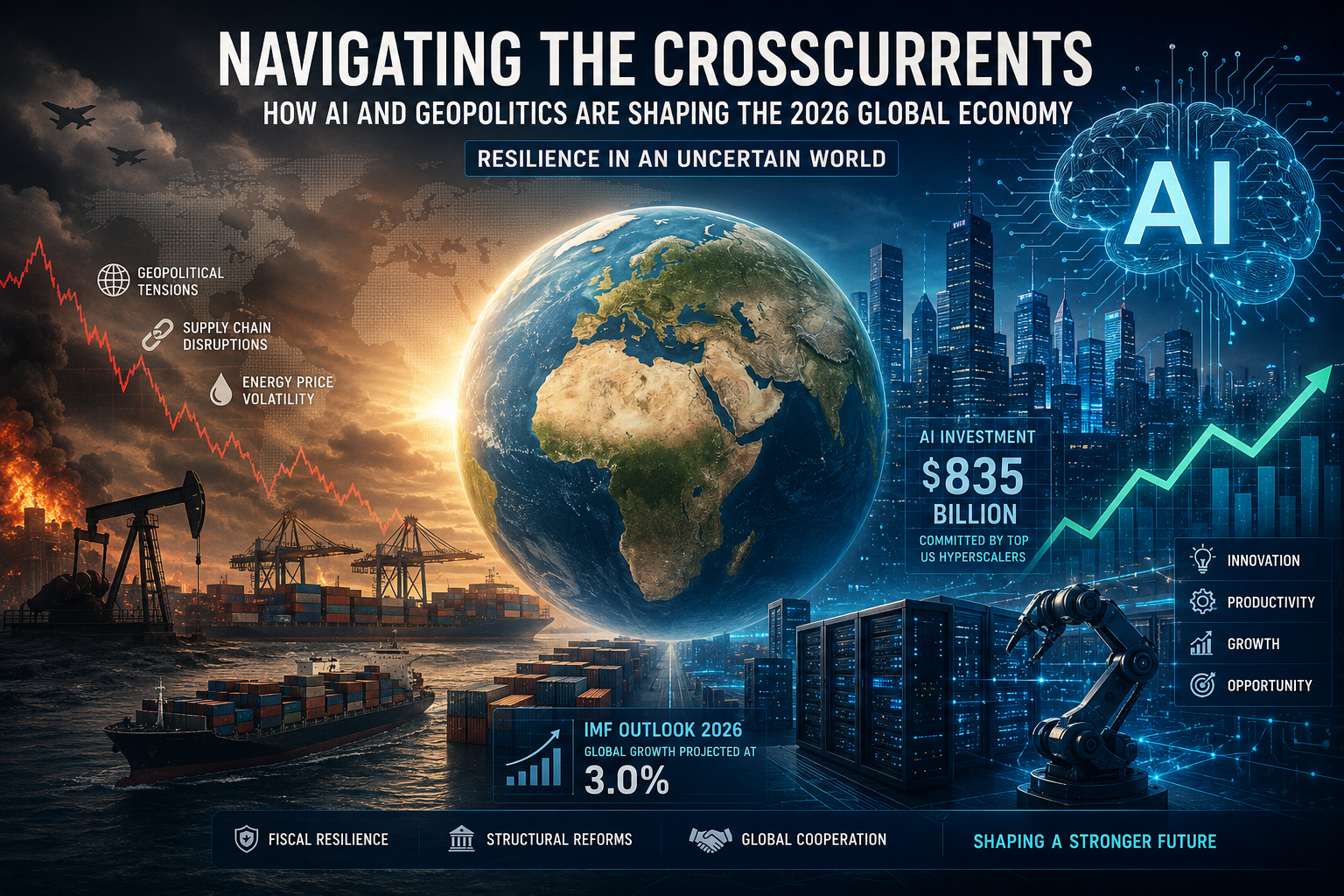
As the global economy faces the dual pressures of regional conflict and transformative technological shifts, resilience remains the defining theme for the remainder of 2026.
The global economy is moving at two distinct speeds, caught between the disruptive weight of commodity shocks and the accelerating force of the artificial intelligence boom.
FindEdition uses first-party advertising and optional analytics. Personalized ads and external networks require your consent where applicable. See our Privacy Policy and Advertising Policies.