
Overview
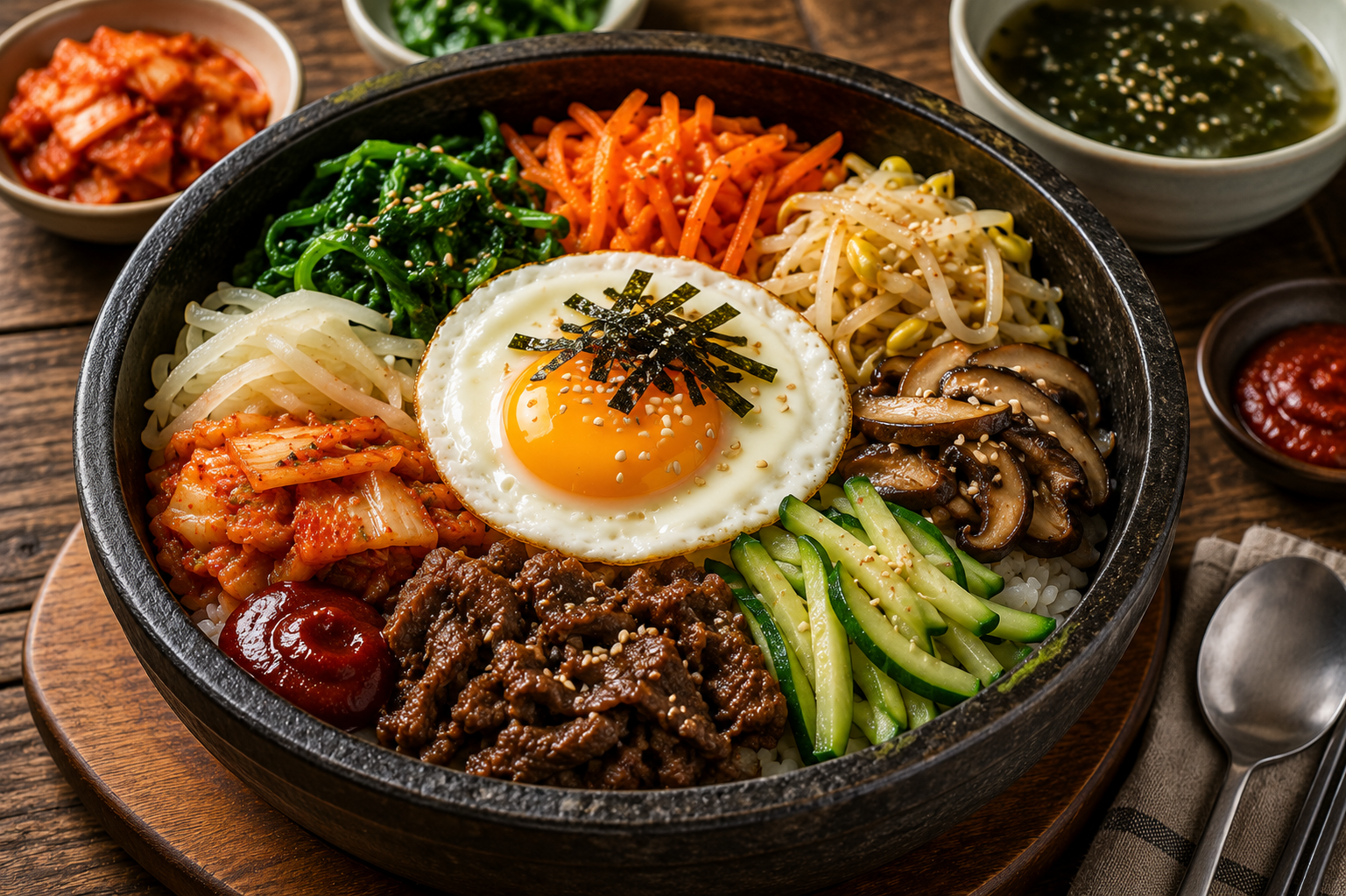
This bibimbap combines warm rice, marinated beef, individually seasoned vegetables, fried egg, sesame, and gochujang sauce in a visually striking bowl designed to be mixed before eating.
Traditional Korean bibimbap with steamed rice, marinated beef, individually seasoned vegetables, fried egg, sesame seeds, and spicy-sweet gochujang sauce.
Combine the rinsed rice and water in a rice cooker or saucepan. Cook until tender, then keep warm and covered.
30 minMix the sliced beef with soy sauce, sesame oil, brown sugar, garlic, ginger, and black pepper. Cover and marinate while preparing the vegetables.
20 minWhisk together the gochujang, rice vinegar, sesame oil, honey, and warm water until smooth. Set the sauce aside.
5 minBring a saucepan of water to a boil. Add the soybean sprouts, cover, and cook for 4 to 5 minutes. Drain well, then season with a pinch of salt, a little sesame oil, and some minced garlic.
6 minBlanch the spinach in boiling water for 30 seconds, drain, rinse under cold water, and squeeze out excess moisture. Season with salt, sesame oil, and minced garlic.
3 minHeat a small amount of neutral oil in a skillet over medium-high heat. Stir-fry the carrots with a pinch of salt until crisp-tender, then transfer to a plate.
4 minAdd a little more oil to the skillet and stir-fry the zucchini with a pinch of salt until just tender. Transfer to the plate without mixing it with the carrots.
4 minCook the sliced mushrooms in the same skillet until browned and tender. Season lightly with salt and a few drops of sesame oil.
5 minIncrease the heat to high. Add the marinated beef in a single layer and cook until browned and fully cooked, stirring only as needed.
6 minFry the eggs sunny-side up or to the preferred doneness, keeping the yolks slightly runny for a traditional mixed-bowl texture.
5 minDivide the hot rice among four wide bowls. Arrange the sprouts, spinach, carrots, zucchini, mushrooms, and beef in separate sections over the rice.
5 minPlace one fried egg in the center of each bowl. Garnish with sesame seeds and green onions and serve with gochujang sauce and kimchi.
To eat, add sauce to taste and mix the rice, vegetables, beef, and egg thoroughly before serving.
A colorful, balanced bibimbap with tender beef, individually seasoned vegetables, rich egg yolk, and a customizable gochujang finish.
Traditional Korean bibimbap with steamed rice, marinated beef, individually seasoned vegetables, fried egg, sesame seeds, and spicy-sweet gochujang sauce.
Store the cooked rice, beef, sauce, and vegetables in separate airtight containers in the refrigerator for up to 3 days. Fry fresh eggs before serving. Reheat the rice and beef until steaming hot, then assemble the bowls.
Ask about substitutions, timing, or technique for this recipe.
Sign in to discuss.
Sign in to ask a question.
No questions yet. Be the first to ask.
No photos uploaded yet.
 Indian
60 min
Indian
60 min
 Italian
35 min
Italian
35 min
 Japanese
90 min
Japanese
90 min
 French
210 min
French
210 min
 American
25 min
American
25 min
 American
27 min
American
27 min
 American
25 min
American
25 min
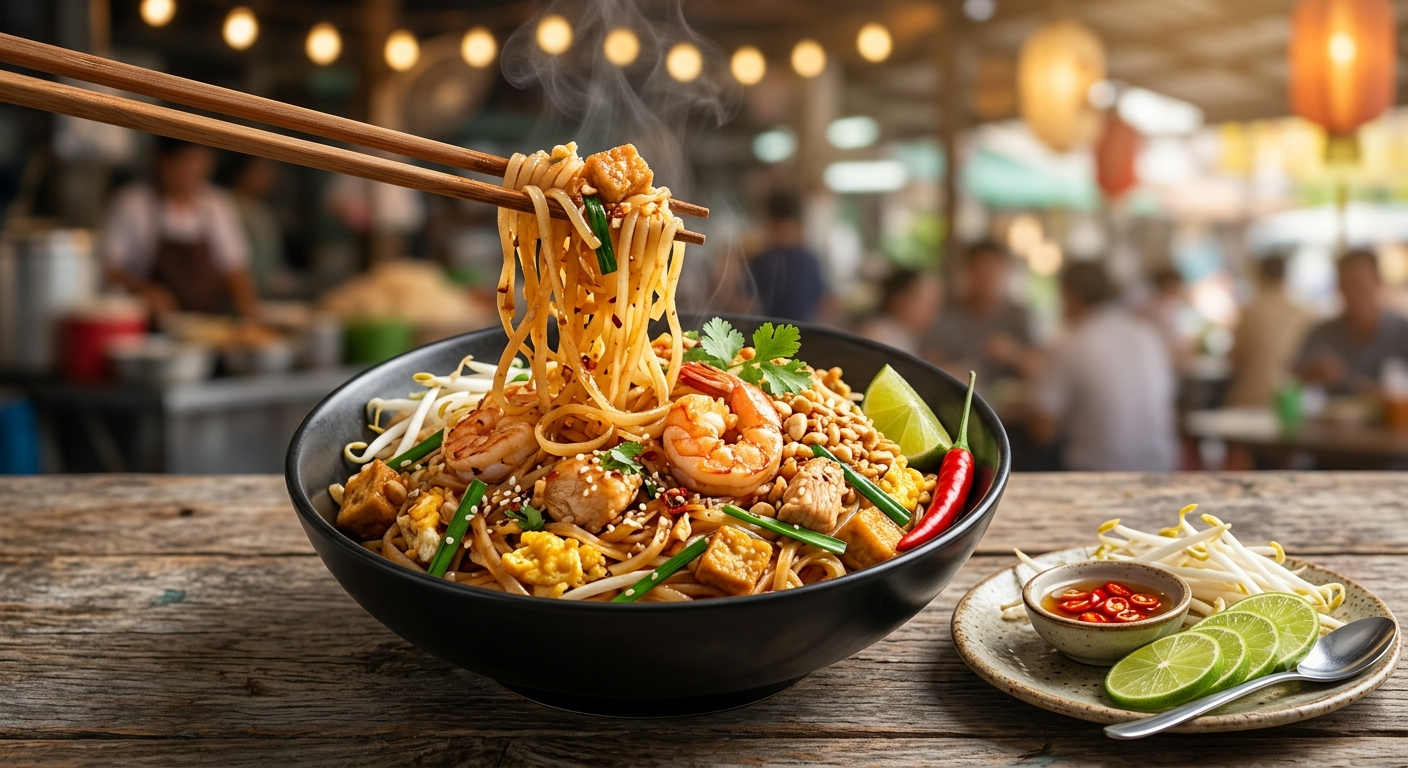 Thai
25 min
Thai
25 min
 Turkish
15 min
Turkish
15 min
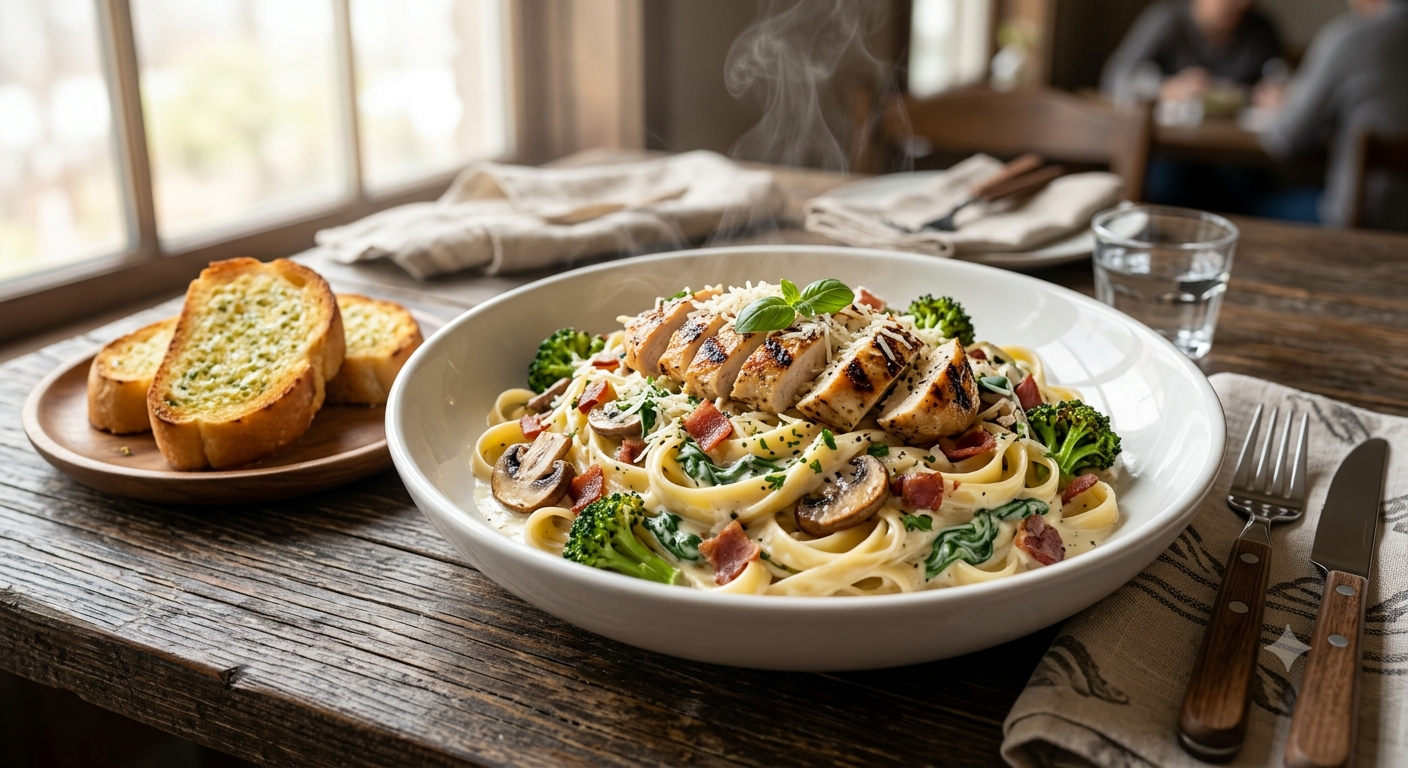 30 min
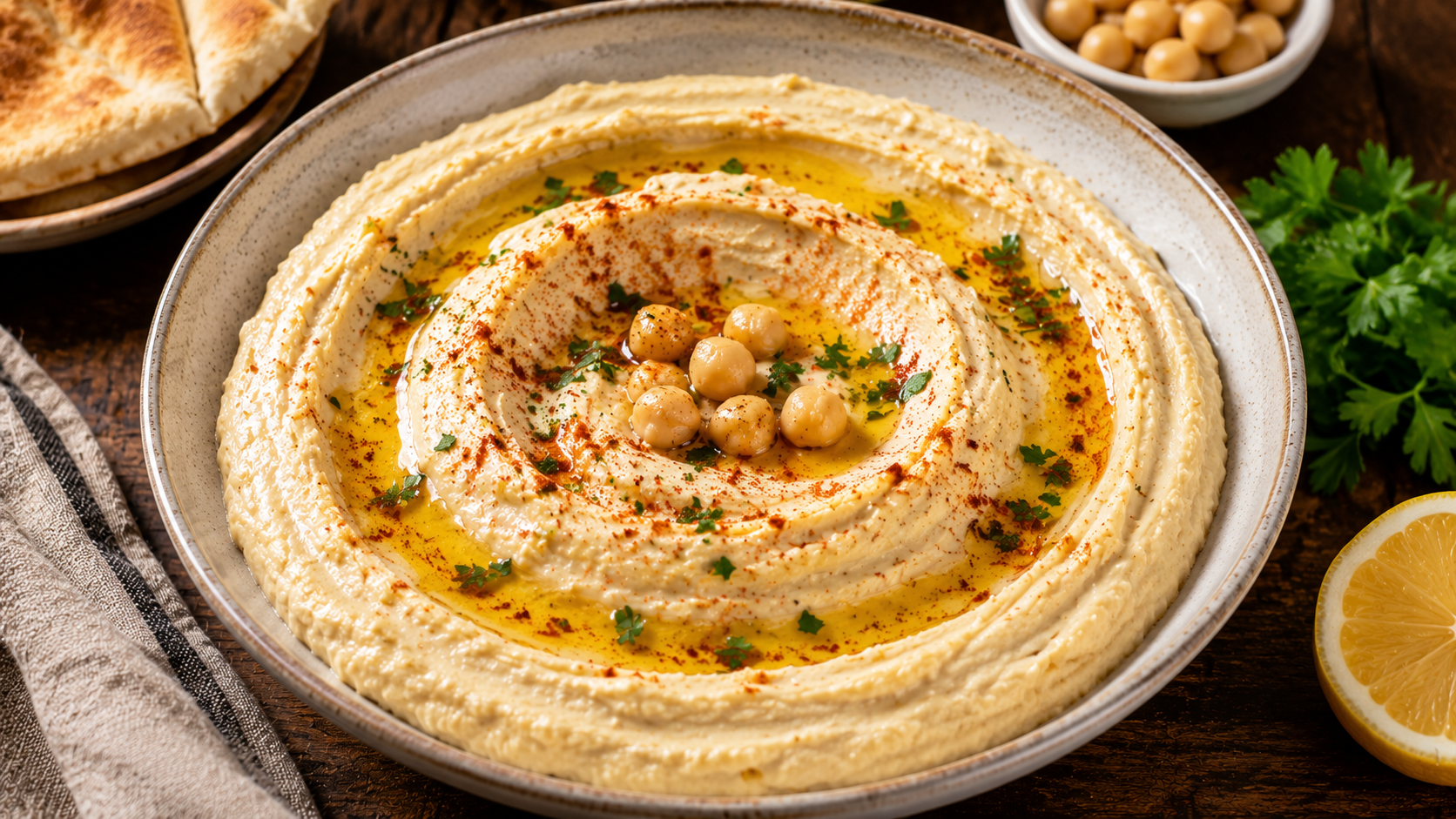 Middle Eastern
10 min
Middle Eastern
10 min
 Italian
30 min
Italian
30 min
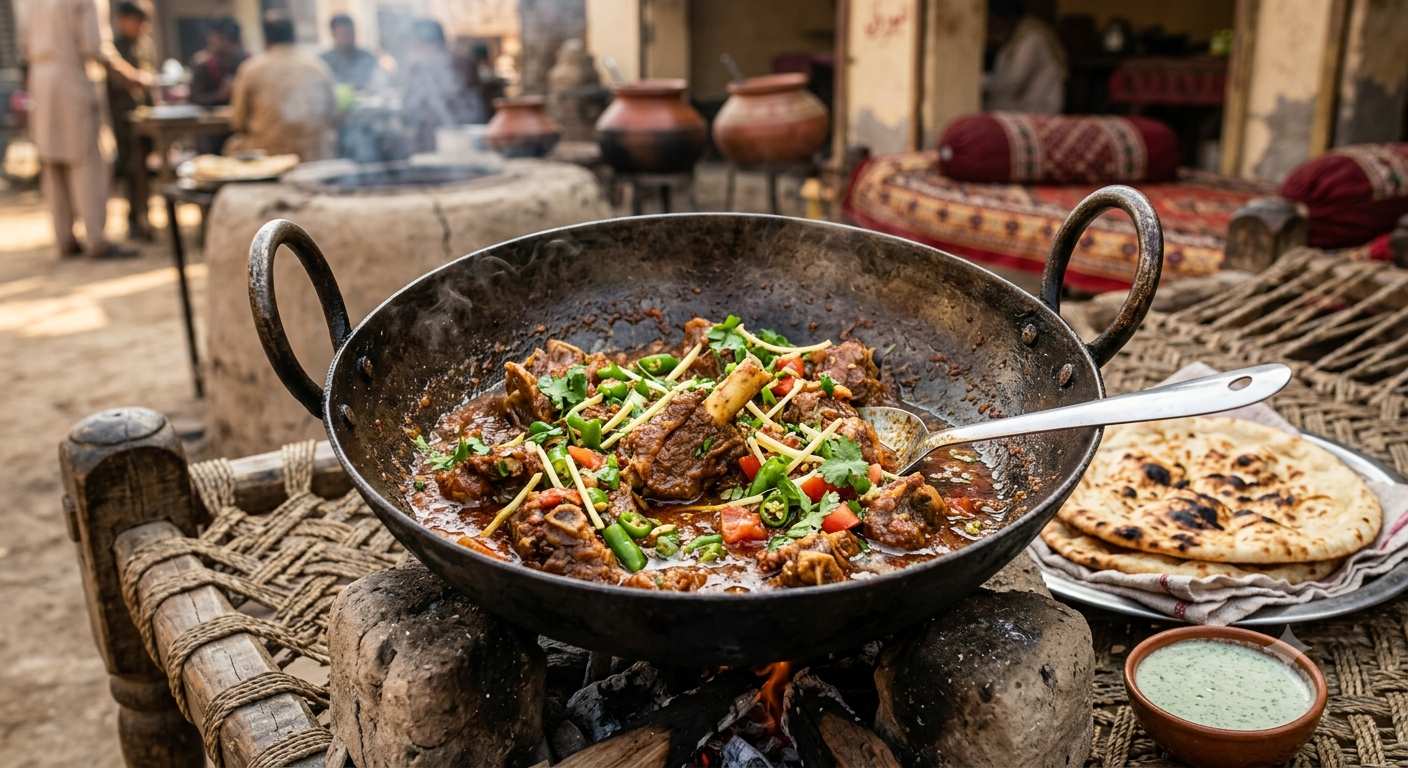 Pakistani
55 min
Pakistani
55 min
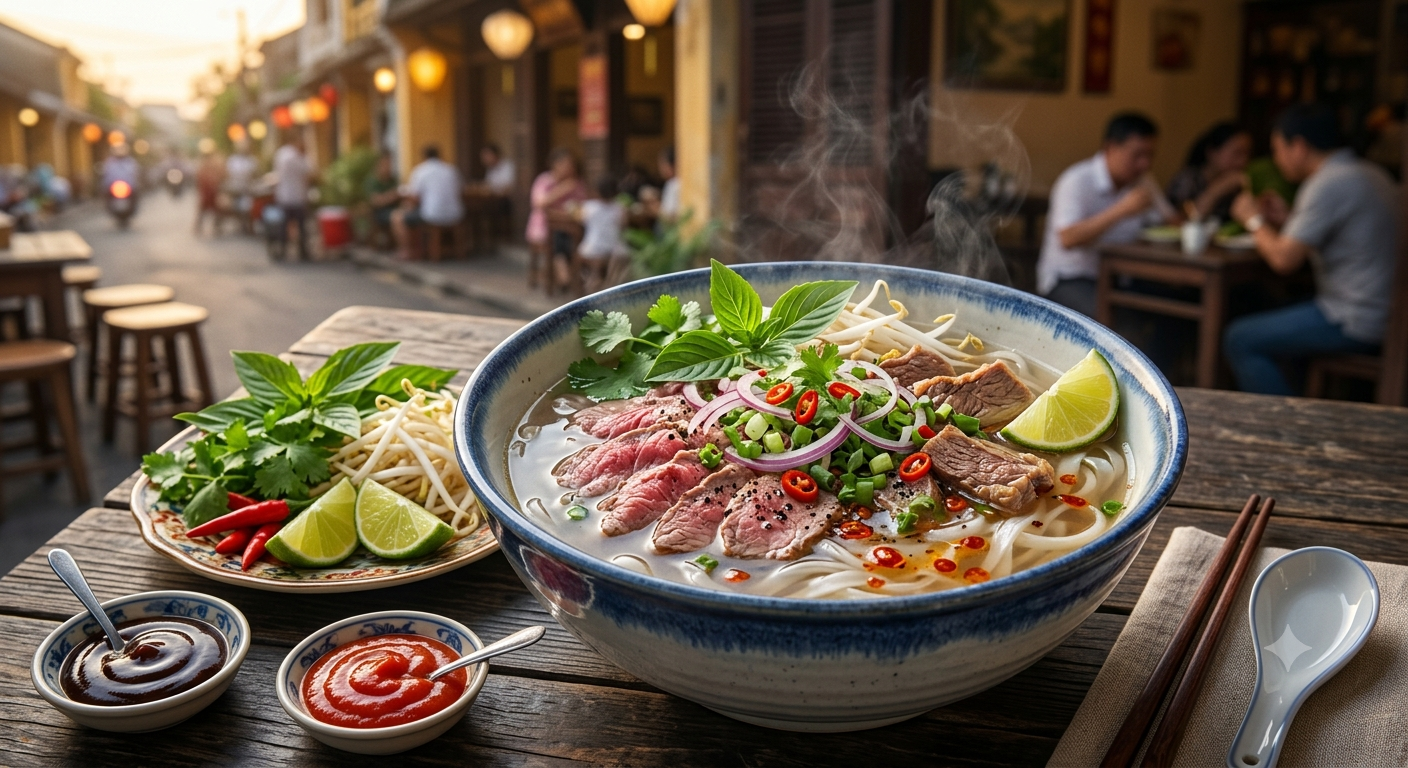 Vietnamese
390 min
Vietnamese
390 min
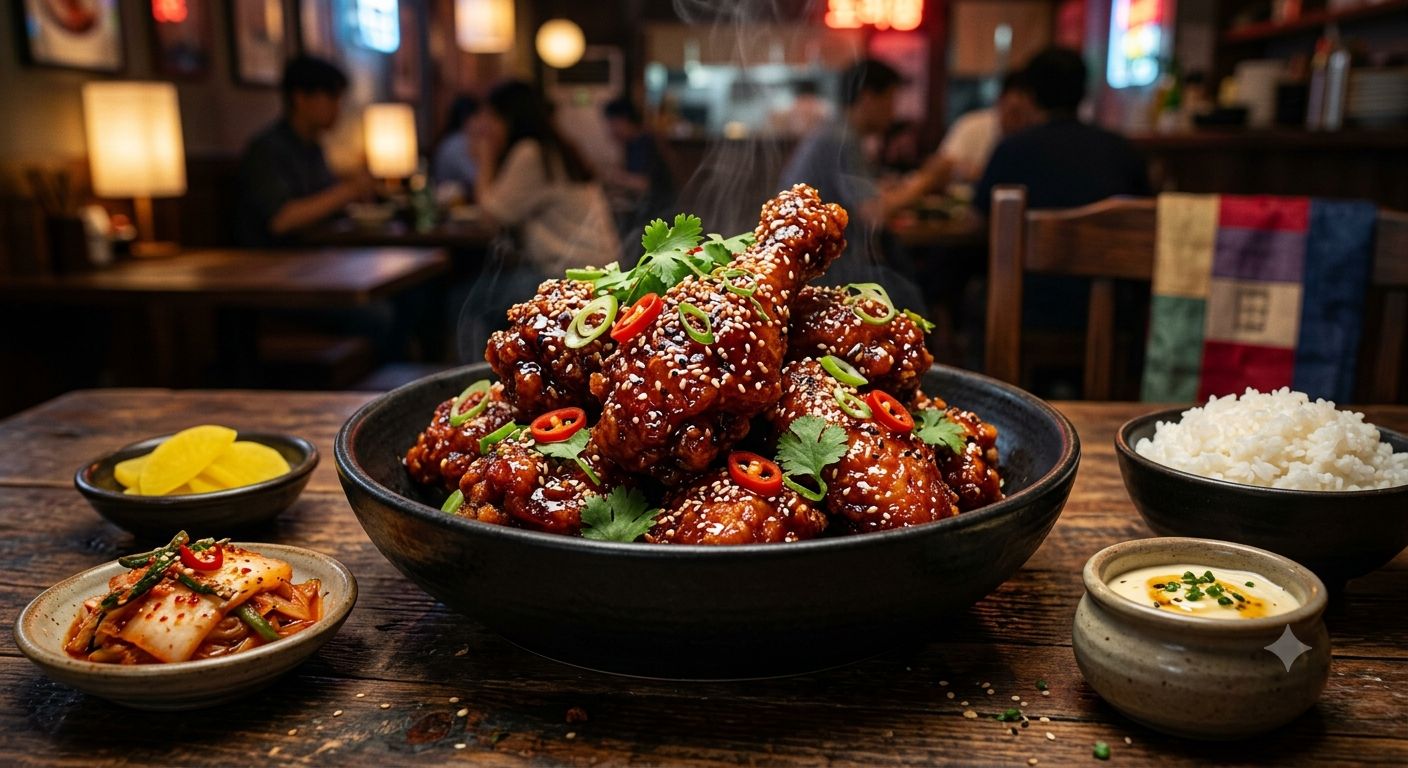 Korean
35 min
Korean
35 min
 Italian
35 min
Italian
35 min
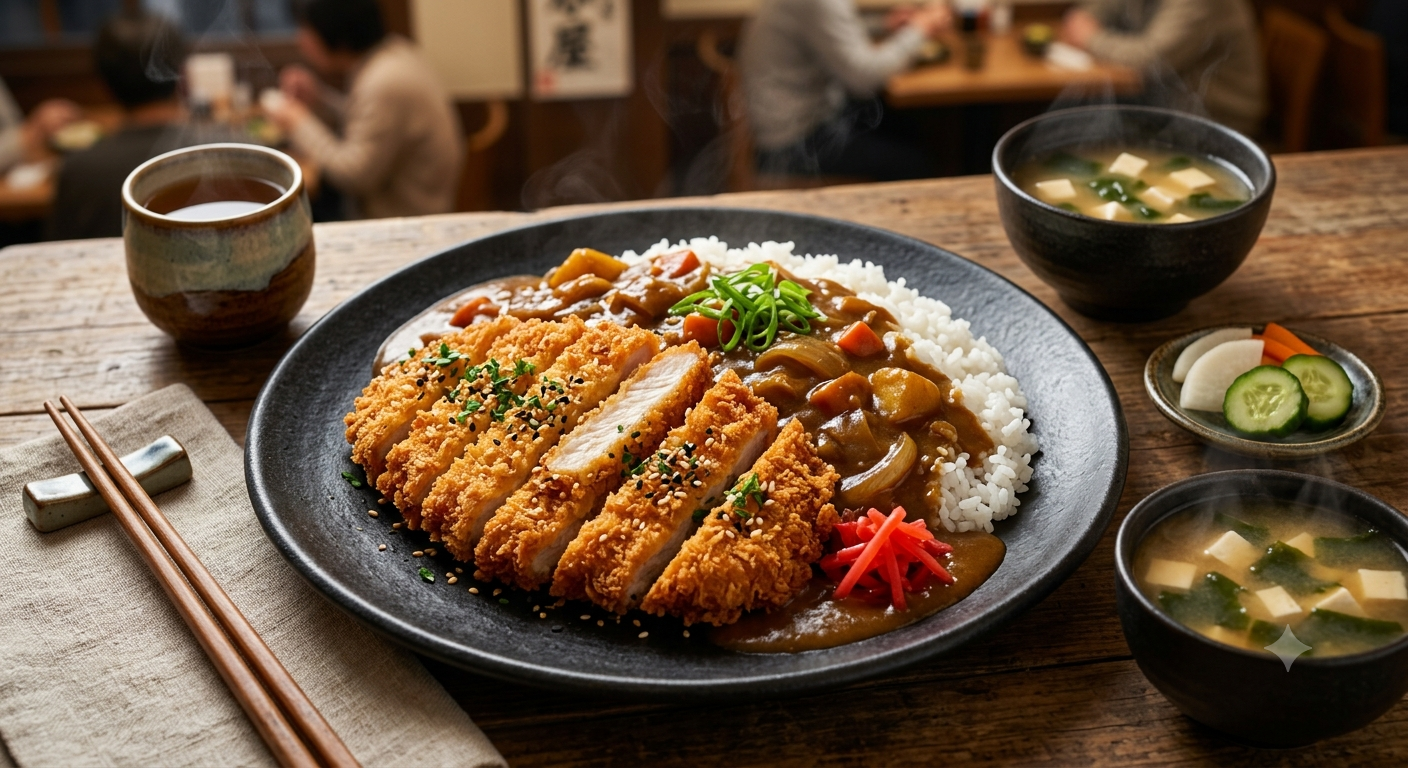 Chinese
45 min
Chinese
45 min
 Mexican
35 min
Mexican
35 min
Type at least 2 characters to search.
No discussion yet.